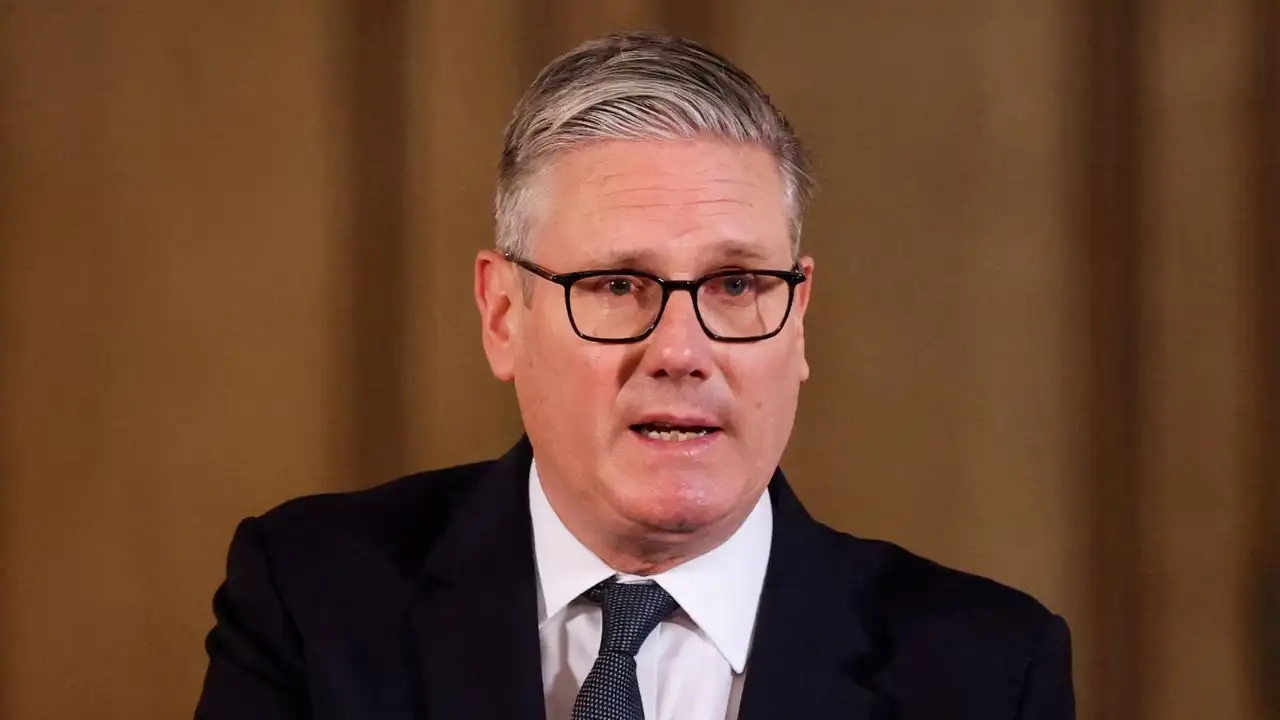
British Prime Minister Keir Starmer on Monday announced his resignation, with a new leader expected to be in place before Parliament returns in September. Less than two years after leading Labour to a landslide election victory, Starmer said he would support whoever succeeds him.
He is the 6th UK PM to resign in less than 10 years.

Pressure on Starmer had been growing for months and increased sharply on Friday after Greater Manchester Mayor Andy Burnham won a parliamentary election and returned to Westminster. Burnham defeated a candidate from Nigel Farage’s Reform UK party, which has led national opinion polls for more than a year.
Also Read| Britain's revolving door: The fall of six prime ministers in a decade of political upheaval
Burnham’s victory has raised hopes among Labour lawmakers that he could help improve the party’s position after it lost support under Starmer. Burnham is a long-time politician known for his communication skills, while Starmer’s popularity ratings have fallen to record lows for a British leader.
However, questions remain about Burnham’s policy positions. Apart from calling for fundamental change and lower living costs, he has not clearly outlined his approach to foreign affairs, the economy or defence. He could also face the same financial constraints as Starmer, including pressure from bond market investors and voter dissatisfaction over public services, living standards and immigration.
Britain currently has the highest borrowing costs among Group of Seven countries because of high debt levels, rising interest payments, weak economic growth, difficulties in reducing spending and the need for investment in areas such as defence.
Investors interviewed by Reuters were divided on whether Burnham would prioritise reassuring financial markets. Burnham said in September last year that Britain needed to get “beyond this thing of being in hock to the bond markets,” although he later said his comments had been misrepresented.
Citibank economists said on Friday: “In our view, a Burnham premiership would inherit a precarious fiscal situation with few tools to deliver meaningful change.”
Starmer had said on Friday that he would contest any formal Labour leadership challenge. However, that position appeared to change over the weekend.
Also Read| Starmer becomes sixth UK PM to quit in less than 10 years. What happens next?

The next Labour leader will become Britain’s seventh prime minister since the 2016 Brexit vote. The frequent change in leadership reflects the challenge faced by governments seeking to maintain public support amid concerns over living standards, public services and illegal immigration.
Political advisory group Eurasia said the best outcome could be for Starmer to announce that he will step down in September. According to the group, this would allow him to attend a UK-European Union reset summit in July and give Burnham time to prepare for government.