
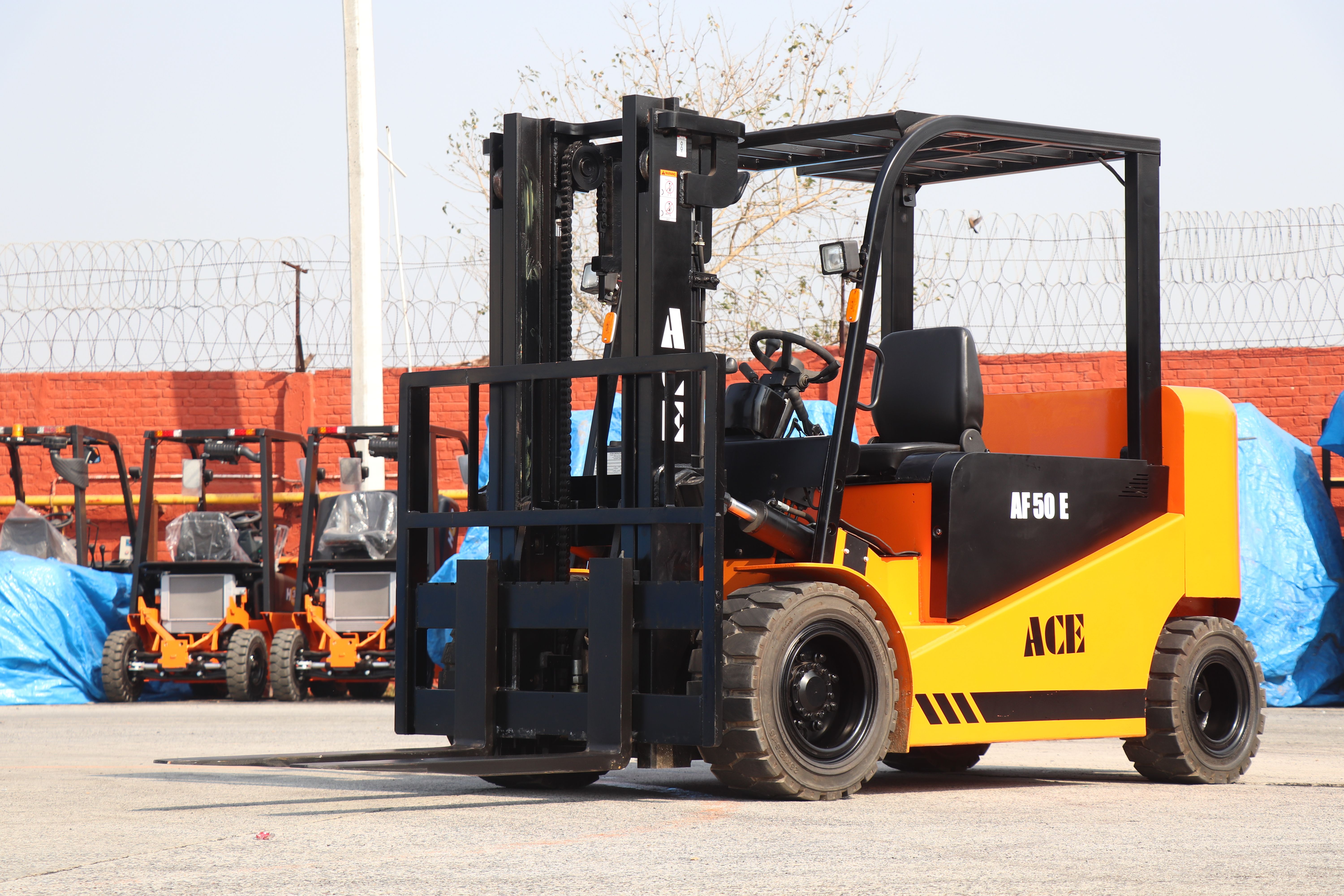
If you work around warehouses, distribution centers, or busy retail backrooms, you already know a forklift can make or break the rhythm of a shift. Toyota forklifts are common for a reason: they’re durable, efficient, and built for hard use. Even so, a tough machine still needs attention. If you want fewer breakdowns, safer operation, and lower repair bills, it helps to understand what actually keeps your equipment moving day after day.
Start With the Parts That Take the Most Abuse
Your forklift goes through more punishment than it gets credit for. Tires scrub across concrete, forks carry uneven loads, and hydraulic systems work nonstop with very little fanfare. That wear adds up fast.
You’ll usually spot trouble first in high-contact components. Tires may chunk or go bald. Forks can develop cracks or bend slightly after repeated heavy lifting. Hydraulic hoses may begin to leak at fittings, which is a problem you don’t want to “keep an eye on” for three more weeks.
A practical habit helps: inspect the same points at the start of each shift. Focus on forks, mast chains, tires, fluid levels, lights, and warning alarms. Small defects have a sneaky way of becoming expensive downtime.
If a part looks questionable, treat that as a maintenance issue, not a future-you issue. Forklifts are workhorses, but even workhorses get cranky when ignored.
Understand Why Toyota Forklifts Need Model-Specific Attention
Not every forklift part is interchangeable, even when two machines look nearly identical from ten feet away. Toyota forklifts have model-specific systems, measurements, and compatibility requirements that matter more than many operators realize.
Using the wrong filter, seal, brake component, or ignition part can create a chain reaction. You might get poor performance, faster wear, or installation headaches that burn through a technician’s afternoon. None of that feels efficient when the loading dock is backed up and orders are waiting.
You’re better off confirming the exact model and serial details before ordering anything. That includes engine-related parts, electrical components, and mast hardware. Precision saves time.
If you’re replacing worn components and want to find out more, it makes sense to look at parts specifically matched to Toyota forklifts rather than hoping a close-enough option will do the job.
Build a Preventive Maintenance Routine That People Will Actually Follow
A maintenance plan only works if your team can stick to it without turning it into a bureaucratic side quest. The best routines are simple, visible, and tied to actual machine use.
Try organizing your schedule around three levels:
- Daily operator inspections before use
- Weekly checks for fluid levels, battery condition, and visible wear
- Monthly or interval-based service for filters, brakes, chains, and hydraulic components
You should also track hours of operation, not just calendar dates. A forklift running two shifts a day ages differently from one used only for occasional pallet moves.
Keep your checklist short enough that people won’t skip it. If it looks like a tax form, compliance drops. Include a log for recurring issues too. Repeated tire wear in one area or frequent battery trouble can point to a bigger operational problem, such as floor conditions or charging mistakes.
Pay Attention to the Warning Signs Operators Mention Casually
A lot of forklift problems are announced early, just not in dramatic fashion. Someone says the steering feels off. Another operator mentions the lift seems slower than usual. A third says the brakes feel “a little weird,” which is not a phrase you want attached to a loaded forklift.
These comments matter. Operators spend enough time with the machine to notice subtle changes before a clear failure appears. If you brush off those observations, you miss the cheapest repair window.
Common early warning signs include:
- Delayed lifting or lowering
- Squealing, grinding, or rattling noises
- Hard starting or rough idling
- Uneven tire wear
- Weak braking response
- Dashboard warning lights or fault codes
Encourage your team to report issues immediately and make that process easy. A fast message, simple form, or maintenance tag system works better than relying on memory during a hectic shift.
Choose Replacement Parts With Downtime in Mind
Price matters, but downtime often costs more than the part itself. A cheaper component that fails early can hit you twice: once at purchase and again when labor, delays, and lost productivity pile up.
When evaluating replacement parts, think beyond the sticker price. Ask practical questions:
- Is it designed for your exact Toyota forklift model?
- Will it hold up under your workload and environment?
- Can your team install it without modifications?
- Is the supplier familiar with industrial equipment needs?
This is especially important in facilities with demanding conditions. Dusty environments, outdoor use, cold storage, and multi-shift operations all put extra stress on parts. A warehouse that runs lean can’t afford repeated stop-and-start repairs.
It also helps to keep critical spares on hand. Filters, hoses, lights, brake parts, and common wear items can save you from scrambling when something fails midweek and every minute suddenly feels billable.
Train Operators to Protect the Equipment Without Slowing Down Work
Good operators don’t just move pallets quickly. They reduce wear, prevent accidents, and help your maintenance budget breathe a little easier. Training has a direct effect on repair frequency.
You can lower strain on the machine by reinforcing a few habits:
- Avoid abrupt starts and hard braking
- Don’t exceed load limits
- Center loads properly on the forks
- Slow down on rough surfaces and around turns
- Lower forks fully when parked
- Report impacts, even minor ones
That last point matters more than people like to admit. A light collision with a rack, bollard, or dock edge can knock alignment out, damage forks, or stress the mast assembly. The forklift may still run, but “still runs” is not the same as “still safe.”
When operators understand how their driving affects maintenance, you get better performance without sacrificing speed. It’s less about perfection and more about consistent, smart handling.
Use Maintenance Data to Make Better Budget Decisions
If you manage multiple forklifts, your repair records can reveal patterns that are easy to miss in the day-to-day rush. One unit may burn through tires faster because it’s assigned to rougher surfaces. Another may need repeated hydraulic work because of heavier lifting demands.
Track service dates, replaced parts, operating hours, and recurring failures. Over time, that information helps you decide whether to keep repairing a unit, rotate it to lighter tasks, or replace it altogether.
This approach also improves purchasing decisions. If several forklifts regularly need the same wear parts, you can stock smarter and reduce waiting time. If a certain machine constantly causes disruption, the numbers will show it without any dramatic debates in the break room.
Maintenance data gives you leverage. Instead of reacting to each breakdown like a surprise pop quiz, you make decisions based on patterns, cost, and actual machine behavior.
Keep Reliability at the Center of the Plan
A forklift maintenance strategy isn’t just about fixing what breaks. It’s about protecting workflow, safety, and labor efficiency across the whole operation. One unreliable machine can slow receiving, delay shipping, and create pressure everywhere else.
If you stay consistent with inspections, use properly matched parts, and listen when operators flag unusual behavior, you put yourself in a stronger position. Repairs become more predictable. Service planning gets easier. Your equipment lasts longer and performs the way it’s supposed to.
That kind of reliability matters whether you run a small warehouse or a large distribution setup. When your Toyota forklift is maintained with care and a bit of operational common sense, it keeps doing what you need it to do: move the day forward without unnecessary drama.















