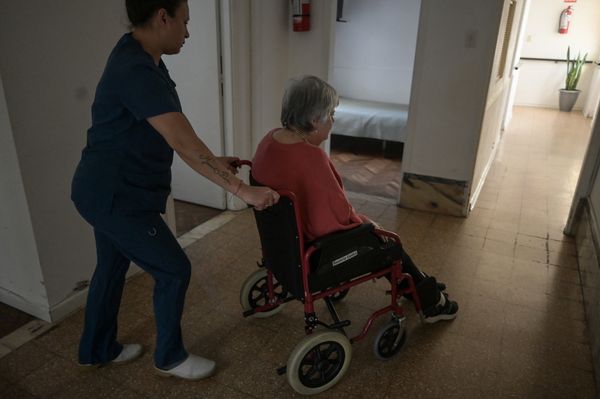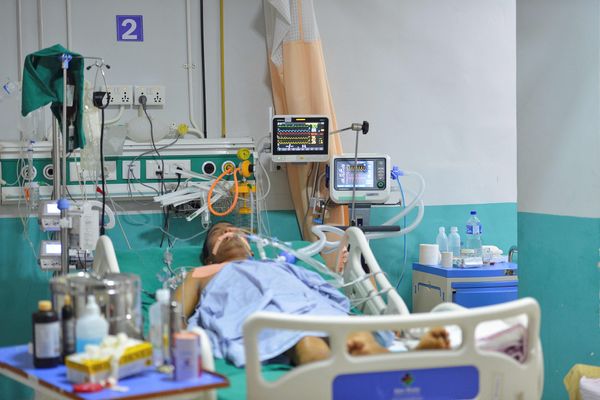
Adriana Smith, a 30-year-old woman from Georgia who had been declared brain-dead in February 2025, spent 16 weeks on life support while doctors worked to keep her body functioning well enough to support her developing fetus. On June 13, 2025, her premature baby, named Chance, was born via cesarean section at 25 weeks.
Smith was nine weeks pregnant when she suffered multiple blood clots in her brain. Her story gained public attention when her mother criticized doctors’ decision to keep her on a ventilator without the family’s consent. Smith’s mother has said that doctors told the family the decision was made to align with Georgia’s LIFE Act, which bans abortion after six weeks of pregnancy and bolsters the legal standing of fetal personhood. A statement released by the hospital also cites Georgia’s abortion law.