Get all your news in one place.
100's of premium titles.
One app.
Start reading
Fortune
Fortune
Camila Grigera Naón

Kalshi CEO clashes with disgraced former Congressman George Santos in latest prediction market controversy

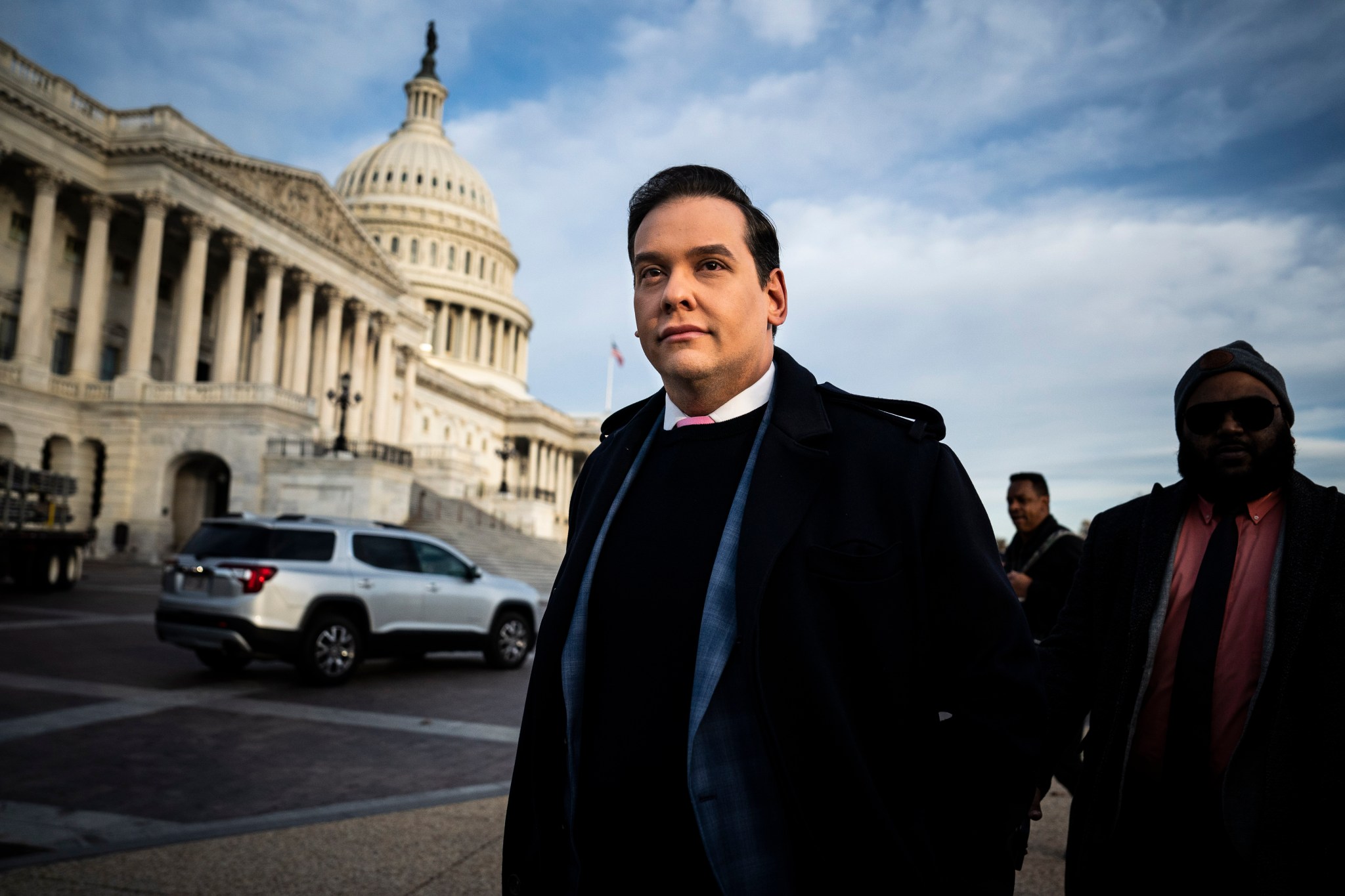
George Santos stands in front of the US Congress on Capitol Hill. (Credit: Jabin Botsford—Getty Images)

George Santos, the former lawmaker convicted of fraud, got in fresh trouble following his release from prison by making illegal bets on Kalshi. Then, hours after the Commodity Futures Trading Commission ordered the former U.S. representative to pay $35,000 for manipulative trading, Santos fired off a social media broadside, vowing to shut down the prediction market platform, and accused it of hiding behind a “protection veil” of contract swaps to dodge gambling regulation.

In response, Kalshi CEO Tarek Mansour shot back on X, saying the platform should be judged by its enemies: casinos, insider traders, and, now, Santos himself.
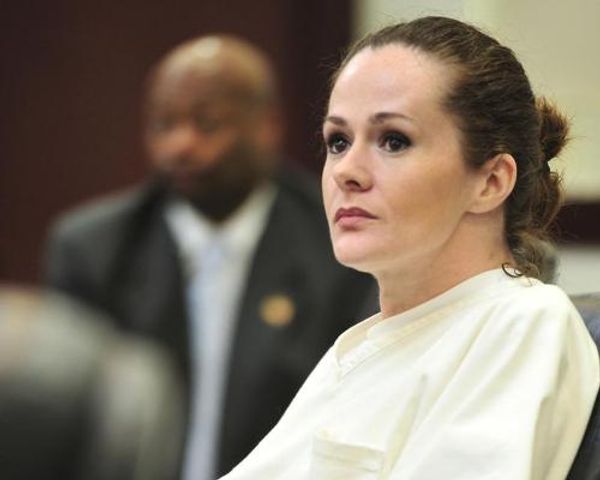
The dustup came after it transpired that Santos, who received a pardon last year from President Trump, bet on a Kalshi contract that let users wager on whether he would show up for the State of the Union. Like other prediction markets, Kalshi lets users trade binary contracts on whether specific events will happen, paying out if they guess the right outcome. The platform, though, bars people from profiting on insider information—as was the case with Santos betting on whether he would attend the speech.

As prediction markets have grown, so have fears that they can be exploited by people with inside information or direct control over the events being traded. Regulators have already scrutinized bets on sensitive geopolitical and political outcomes and opened cases against insiders accused of cashing in on their access.

Santos bets on himself

Santos’s aggressive stance toward the platform comes almost six months after Kalshi flagged his trading in a market tied to his own State of the Union attendance and referred it to federal regulators. That activity violated Kalshi’s rule that bars participants from trading on contracts they have the power to influence, and prompted parallel investigations by the CFTC and the Justice Department.

Regulators found that Santos used a series of misleading social media posts and omissions to strategically influence the market price of his positions, ultimately allowing him to reap over $17,500 in illegal profits. The CFTC filing detailed a specific pattern of manipulation where Santos first bet in early February that he would attend the address, netting roughly $3,500 after publicly asking his followers for advice on whether he should wear a “muted serious suit” or a “bedazzled one.”

However, when severe weather jeopardized his travel plans later that month, he reversed course and spent more than $8,500 building a “no” position, ultimately amassing over 23,000 contracts betting he wouldn’t attend. The CFTC found that to support this bet, Santos posted a video saying he would be in the House gallery and replied “I am” to a user asking if he planned to attend—even though his flight and train tickets were already canceled.

These posts drove up the price of “yes” contracts, making his “no” position more valuable when he finally announced on the night of the speech that he was watching it from an airport television.

Sign up to read this article
Read news from 100's of titles, curated specifically for you.
Already a member? Sign in here
Related Stories
Top stories on inkl right now
One subscription that gives you access to news from hundreds of sites
Already a member? Sign in here
Our Picks
Fourteen days free
Download the app
One app. One membership.
100+ trusted global sources.