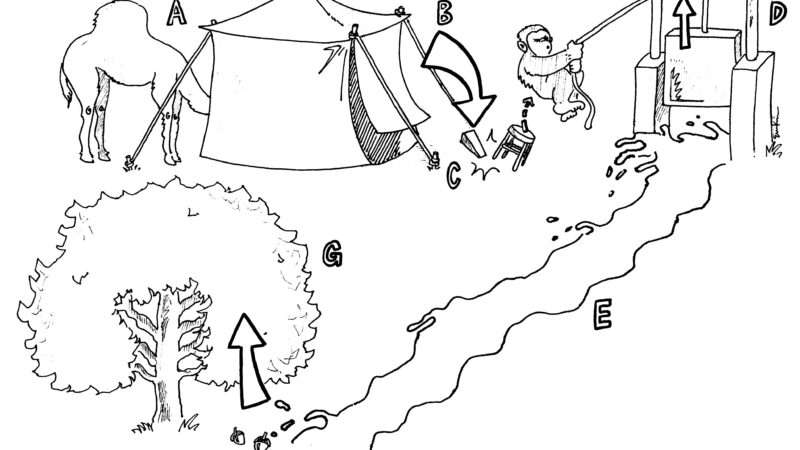
[a] Simply Following Precedent: A Legal Effect Slippery Slope.—One of the most common "A will lead to B" arguments is the argument that judicial decision A would "set a precedent" for decision B. This generally means that (1) A would rest on some justification J and (2) justification J would also justify B.
{Sometimes this sort of argument is made not to illustrate the practical risk that A may lead to B, but to use situation B as an illustration that the underlying theory of rule R is unsound. My discussion here, though, focuses primarily on the practical argument.}