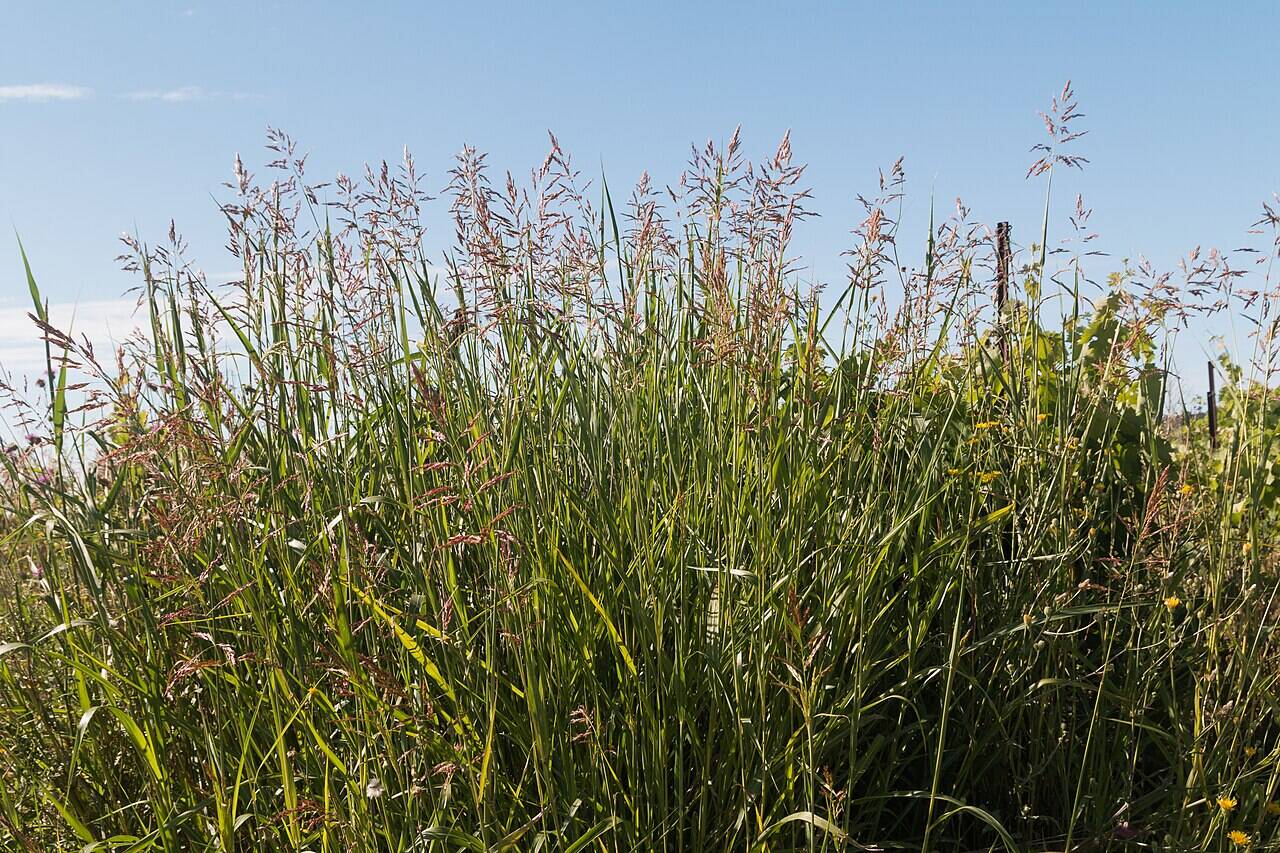
Many invasive plants were originally introduced by people because they were believed to offer practical benefits. One such example is Johnsongrass, which was brought to the United States during the nineteenth century as a forage crop for livestock. Farmers valued it for its rapid growth, drought tolerance and high forage yield. However, these same characteristics later allowed the plant to spread beyond cultivated fields and become one of the country's most troublesome invasive weeds.
Get breaking news anytime, anywhere. Download the TOI app now!
The study Introduction and Spread of Johnsongrass in the United States explains how a grass valued for agriculture gradually became one of the country's most persistent invasive weeds. After escaping cultivation, Johnsongrass gradually spread across many parts of the United States, where it became an increasingly persistent invasive weed. Its ability to spread efficiently and survive under a range of conditions transformed it from a useful forage plant into a widespread management challenge across many parts of the United States.
Whereas most other grasses rely on cultivation in farmland, Johnsongrass has characteristics that enable it to be a self-propagating grass. It propagates not only through seeds but through rhizomes that grow underneath the soil. In cases where the grass is removed or destroyed, rhizomes are able to form new shoots, making it hard to eradicate the grass.
From a beneficial forage grass to an invasive one
First, when the Johnsongrass was introduced into America, there were some benefits associated with the grass. One benefit of this grass is that it propagated fast and formed a lot of forage even when it experienced drought conditions.
According to the study, those same characteristics also helped the grass spread beyond cultivation. Johnsongrass grows vigorously during the warmer months and produces large numbers of seeds. At the same time, its extensive rhizome system allows it to expand beneath the soil surface, forming dense patches that are difficult to remove.
This combination gives the grass an advantage over many neighbouring plants. While some species rely entirely on seeds to spread, Johnsongrass can continue expanding underground even when seed production is limited. Small sections of rhizomes left in the soil after cultivation or mechanical removal are capable of producing new plants, allowing infestations to persist from one growing season to the next. These characteristics make established infestations increasingly difficult to manage.
For farmers, this competition creates practical challenges. Dense infestations can compete with crops for sunlight, water and nutrients, making agricultural management more difficult. The plant's aggressive growth and ability to regenerate have helped it spread across large areas of the United States.
As Johnsongrass invaded more areas, it was understood that this was not going to be a temporary but a long-lasting problem. As Johnsongrass continued to grow beyond cultivated fields, many US states classified it as a noxious weed because of its ability to invade agricultural land and natural habitats.
Why Johnsongrass is hard to control
The resilience of Johnsongrass is one of the reasons why it poses challenges for land management. Johnsongrass can survive mowing, grazing, and even clipping because rhizomes under the ground will sprout new growth.
The study also explains that seeds play an important role in the plant's spread. Once mature plants produce seed, new infestations can appear beyond the original patch. Seeds may be moved by agricultural equipment, water, animals or human activity, allowing the grass to establish in new locations.
Its adaptability further complicates management. Johnsongrass tolerates a wide range of growing conditions and establishes readily wherever open ground is available. Agricultural land is particularly vulnerable because regular soil disturbance creates opportunities for seeds and rhizomes to develop into new plants.
The publication also highlights the importance of early intervention. Smaller infestations are generally easier to manage than large colonies with extensive underground rhizome systems. Once these underground networks become well established, successful control usually requires repeated monitoring and management over several growing seasons.
The history of Johnsongrass shows how a plant introduced for agricultural purposes can create unintended challenges over time. A grass once valued for livestock forage gradually became one of the most widespread invasive weeds affecting farmland in many parts of the United States. Its success is linked to a combination of biological characteristics, including rapid growth, abundant seed production and an extensive underground rhizome system.
Today, Johnsongrass is a well-known example of how a plant introduced for agricultural benefits can escape cultivation and become an invasive species. Plants that perform well in agriculture may also possess qualities that enable them to survive in conditions that do not involve agriculture. It is clear from the study that for the reduction of the effect of invasive plants on both agriculture and surrounding ecosystems, it is important to learn about their dispersal mechanisms.