Get all your news in one place.
100's of premium titles.
One app.
Start reading
The National (Scotland)
National
Jamie Calder

John Swinney says Cairngorms wildfire 'stark reminder' of climate change risks

John Swinney visited the site of a major wildfire incident in the Cairngorms (Image: PA)

THE First Minister has thanked the crews battling a large wildfire in the Cairngorms, saying the moment is a "stark reminder" of the risks Scotland faces from wildfires.

The Scottish Fire and Rescue Service (SFRS) has been tackling the blaze near Aviemore since Wednesday last week, using helicopters to “waterbomb” the flames.
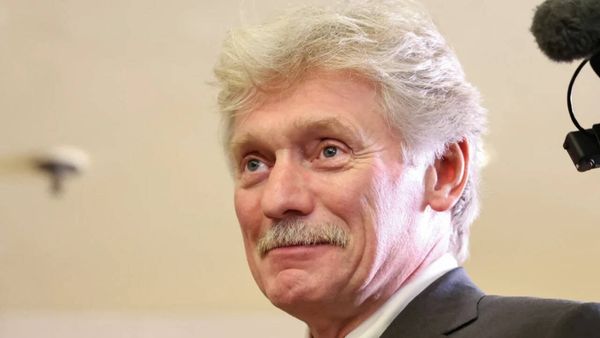
Speaking during a visit to the area on Tuesday, the First Minister said there needs to be a “combined effort” to ensure the fire service has the required resources, following criticism of how the SFRS is funded.

“We’re clearly facing significant changes in our climate and the prevalence of wildfires in Scotland on a now, unfortunately, frequent basis is an indication that climate change is happening,” he said.

“So, what we’ve got to make sure is that we have the resources and the skills in place to tackle the wildfires.

“I want to pay tribute to everybody that was involved in extinguishing the fire here in Strathspey, that’s been a combined effort led by the Scottish Fire and Rescue Service, but involving land managers in the locality, involving organisations like the RSPB and the Cairngorms National Park and also Forestry and Land Scotland.

“It’s got to be a combined effort to make sure that we have the skills, the expertise and the resources to make sure such circumstances can be tackled and the great natural beauty of Scotland protected.”

Responding to calls for more funding for the SFRS to tackle the increasing threat of wildfire, the First Minister said: “The Scottish Government gave the Fire and Rescue Service an increase in the budget for this year and obviously the nature of the fire risk that we’re facing in as a country is changing.

“We have a much lower prevalence of house fires in Scotland, thankfully, but we have a much greater risk of wildfires and flooding.

“We’ve got to make sure resources are deployed in a way that meets the challenges that we face as a society and that will be at the heart of the dialogue that takes place around budget priorities with the SFRS.”

He added through a statement on X/Twitter: "The scale of the wildfire in the Cairngorms is a stark reminder of how quickly fires can spread. My thanks to the firefighters and emergency services working hard to contain it.

"We all have a responsibility to reduce fire risk, so please avoid naked flames and follow the advice."

Ross Ewing, the director of moorland and strategic projects for Scottish Land and Estates, welcomed the First Minister’s visit, but called for more action and resources for Scotland's emergency responders.

“We welcome the First Minister’s visit to Loch Morlich today and are grateful for the time he took to see first-hand the impact of this devastating wildfire.

“We particularly appreciate his willingness to engage directly with firefighters, gamekeepers, land managers, agencies and local residents, whose efforts have been vital in responding to this major incident.

“There must also be a serious discussion about Scotland’s preparedness for future wildfires,” he said.

“Scottish Land & Estates remains deeply concerned about the lack of a dedicated, aerial, firefighting capability.

“No helicopters were available on the first day of this fire, despite the fact that the battle against a wildfire is often won or lost in those crucial early hours.

“Similar challenges in accessing aerial assets were highlighted during the Carrbridge-Dava wildfire last year, demonstrating that this is not an isolated issue.

“Scotland needs a dedicated aerial response capability, available at the time of need and operating under the command and control of the Scottish Fire and Rescue Service.

“As wildfire risk continues to grow, we must ensure our firefighters have the resources they need to tackle these incidents effectively.”

Aerial view of the site (Image: PA)

Scotland's public fire service does not own its own specialist helicopter and relies upon a small number of private firms that are able to supply the helicopter itself, specialist equipment, including the "Bambi Buckets" that can carry up to 1000 litres of water, and the skilled pilots needed.

These aircraft can only be called in after approval by the fire service incident commander, and when the landowner has "contractual arrangements" in place to cover the costs.

The callout of these helicopters requires, in the case of fires on public land, the approval of the incident commander and the use of funds from the owning agency, such as Land Scotland or NatureScot.

Private-land fires may also require negotiations with insurance companies over the necessity of sending a helicopter to the scene and what is covered in specific policies.

SFRS deputy assistant chief officer Michael Humphreys said: "Helicopter support can of course be beneficial, and we will use them as and when they are available, however it is not always essential.

"Where a helicopter is not available, the tactical plan to fight the fire will always account for this.

"Aerial support complements the extensive work already being undertaken by firefighters and partner agencies on the ground and enhances our ability to limit the spread of fire where conditions allow."

Sign up to read this article
Read news from 100's of titles, curated specifically for you.
Already a member? Sign in here
Related Stories
Top stories on inkl right now
One subscription that gives you access to news from hundreds of sites
Already a member? Sign in here
Our Picks
Fourteen days free
Download the app
One app. One membership.
100+ trusted global sources.