The airline industry entered 2026 expecting fuel costs would provide some relief, as it's one of its biggest and most volatile expenses. Instead, the war with Iran has had the opposite effect, sending prices soaring and forcing carriers across Europe, Asia, and Australia to brace for a longer period of financial strain.
Before the conflict, the International Air Transport Association expected average jet fuel prices to ease to about $88 a barrel this year, with fuel accounting for roughly 25.7% of total airline operating expenses in 2026.

That forecast has been shattered. IATA's latest jet fuel monitor showed the global average jet fuel price near $197.83 a barrel last week, more than double the level many airlines had budgeted for. IATA has also said that jet fuel typically accounts for almost 30% of carriers' operating expenses, a share that leaves airlines especially exposed when oil markets are jolted by geopolitical crises.
Reuters reported that the war has disrupted traditional flight paths through Gulf hubs and helped choke access to fuel supplies after the closure of the Strait of Hormuz, one of the world's most important energy shipping lanes. The International Energy Agency warned this week that Europe could face a physical jet fuel shortage by June if it can replace only half of the supplies it normally imports from the Middle East.
In its April oil market report, the IEA said flight cancellations across the Middle East, parts of Asia, and Europe are already denting jet fuel consumption, a sign not of healthier markets but of distress. The impact is already visible in airline boardrooms.
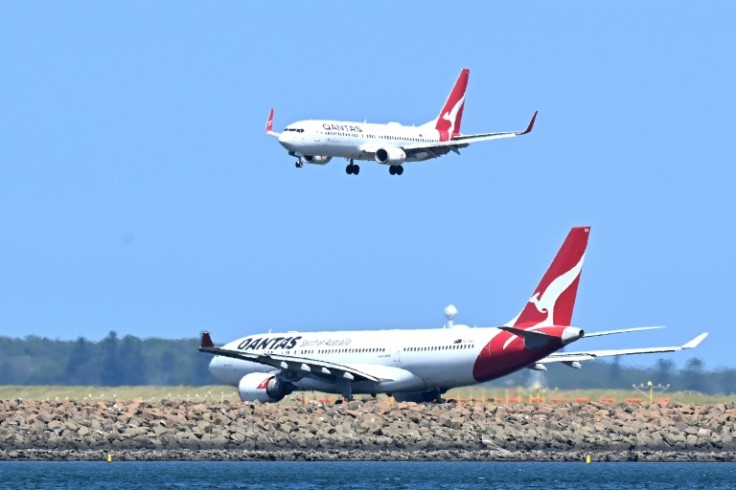
According to reporting from Reuters, Qantas has lifted its fuel cost forecast, halted a share buyback, and cut some domestic flying as it tries to preserve cash. Air New Zealand suspended its earnings outlook, announced fare increases, and trimmed flights.
Cathay Pacific said it would cut passenger services from mid-May through the end of June, while budget unit HK Express is making deeper cuts. Lufthansa CEO Carsten Spohr told Reuters that "Kerosene will remain in short supply and therefore more expensive for the rest of the year."
Since then, travelers have faced higher tickets and extra fees. American Airlines and Alaska Air have already raised checked baggage fees, explicitly tying the changes to surging jet fuel costs linked to tensions in the Middle East and disruptions through Hormuz.
Virgin Atlantic has imposed fuel surcharges, and its chief executive warned that elevated jet fuel costs are likely to remain in place, adding to concern that the sector's margin squeeze will not disappear even if active fighting cools. The pressure extends beyond any single region. Airlines for Europe has asked the European Union for emergency action, including bloc-wide monitoring of jet fuel inventories, tax relief, and even joint kerosene purchasing.
Airports Council International Europe has warned that shortages could emerge within weeks. The European Commission is preparing an energy response package, but it has not yet confirmed whether aviation fuel will receive targeted relief. What makes this shock especially damaging is its timing.
Airlines were already dealing with aircraft delivery delays, supply chain bottlenecks, and expensive sustainable aviation fuel requirements. Bloomberg News reported that Delta Air Lines has scaled back some of its sustainable fuel ambitions.