For 25 years, The Sims has been more than a video game for many players. It has been a place to build relationships, explore identity and create lives on their own terms.
For queer players especially, that flexibility has helped make the game feel like an inclusive space. Now, The Sims has new owners, and some players are questioning whether that identity could change.
Electronic Arts completed its $55 billion (£41 billion) takeover on 4 August, with Saudi Arabia's Public Investment Fund (PIF), Silver Lake and Jared Kushner's Affinity Partners among the investors involved in taking EA private.
EA staff fear new Saudi Arabia owners will police their games: "Projects just won't get signed" https://t.co/yH2Rrk3Vdo
— GamesRadar+ (@GamesRadar) August 19, 2026
The Sims Has a History of Inclusion
The concern surrounding Jared Kushner and Saudi Arabia's involvement in The Sims is rooted in the franchise's long history of LGBTQ+ representation.
In 2022, The Sims 4 introduced customisable pronouns after consultation with GLAAD and the It Gets Better Project. The game also added sexual-orientation settings, giving players greater control over their Sims' identities and relationships.
Those changes mattered because The Sims has never required players to create the same type of family or relationship structure. Players could build worlds that reflected their own experiences or explore lives they had never been able to experience outside the game.
For the Sims queer community, that freedom is not simply a feature. It has become part of what made the franchise distinctive.
After 25 years, I'm breaking up with The Sims. Here's why you should, too - The Guardian https://t.co/22m57IPGR7 #GenerativeAI #GenAI #AI
— The AI Philes (@TheAIphiles) August 19, 2026
Jared Kushner's Role
Kushner did not personally purchase EA or The Sims. His investment firm, Affinity Partners, is one member of the acquisition group alongside Silver Lake and Saudi Arabia's PIF.
The Saudi sovereign wealth fund is one of the largest investors involved in the deal, making its role a particular focus of attention. PIF has increasingly invested in gaming and esports as part of Saudi Arabia's wider effort to expand its global entertainment footprint.
That broader strategy is why the EA Saudi Arabia investment has attracted scrutiny beyond typical questions about corporate ownership.
Saudi Arabia's human rights record, including restrictions affecting LGBTQ+ people and freedom of expression, has drawn criticism from international organisations. That history does not establish that EA plans to alter The Sims' inclusive features, but it explains why some players have expressed concern about the ownership change.
"The community" is a marxist lie. Actual gay community spaces are almost dead- culturally first to itself and then to general society death. Both physical spaces being neutered and less social interaction even before they kept adding on letters from another axis pretending it was… https://t.co/emBrudKK2i
— Thee Eldritch GM™ (@freedAEbird) August 17, 2026
A Question of Soft Power
The deal also raises a wider question: who controls the cultural spaces where millions of people spend their time?
Gaming has become a major part of global entertainment, and The Sims holds a particularly personal position within that space. Players do not simply watch its characters. They create homes, families, relationships and identities.
Critics argue that major investments in entertainment can also serve as a form of soft power. There is currently no evidence that EA's new ownership structure will result in political messaging or changes to the game's content, but concerns about corporate influence have become part of the wider discussion surrounding the acquisition.
The Money Could Change the Game
The $55 billion (£41 billion) acquisition was financed through a significant debt arrangement, creating pressure for privately owned EA to generate returns.
For The Sims, that could raise questions about future monetisation strategies, paid content, development budgets, artificial intelligence and staffing.
None of those changes are guaranteed. However, when a long-running franchise enters a new ownership structure, players often pay close attention to how business priorities may evolve.
Creators Are Already Paying Attention
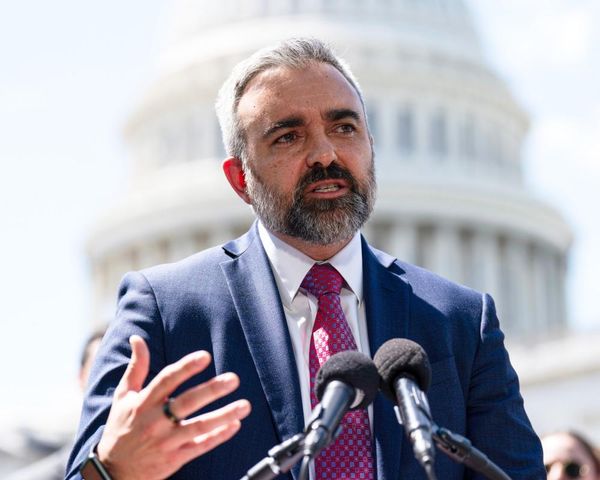
Popular Sims creator Kayla Sims, known online as lilsimsie, has publicly discussed concerns surrounding the acquisition and worked with Congressman Maxwell Frost to help players understand the deal.
Her involvement highlights that the debate is not limited to outside observers unfamiliar with the game. It is also coming from members of the community that has spent years creating content and building audiences around The Sims.
Some LGBTQ+ players have discussed boycotting the franchise over concerns that its inclusive identity could eventually change.
What Happens to the Safe Space?
For now, no existing features have been removed. The Sims 4 continues to include LGBTQ+ representation, and EA has not announced plans to alter those elements. However, ownership has changed, creating new questions about the franchise's future direction.
The concern among some players is not necessarily an immediate removal of queer content, but whether financial priorities, corporate decisions or creative changes could gradually reshape a game whose appeal has always been based on player freedom.
For years, The Sims has allowed players to create almost any life they could imagine. Now, with EA under new ownership involving Jared Kushner, Saudi Arabia's PIF and investment partners, players are watching closely to see whether that freedom remains central to the franchise they helped build.