Japan has revised its voyeurism regulations to curb sexual misconduct in schools, nearly a year after seven Tokyo teachers were arrested for filming and sharing videos of girls on social media.
The education ministry has introduced new measures, including checks for hidden cameras and stricter staff conduct rules, as part of a wider campaign to crack down on sexual crime.

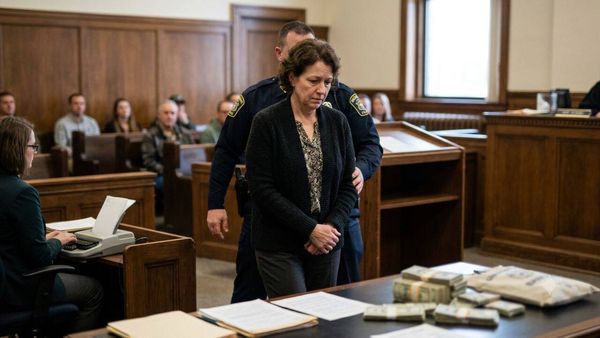
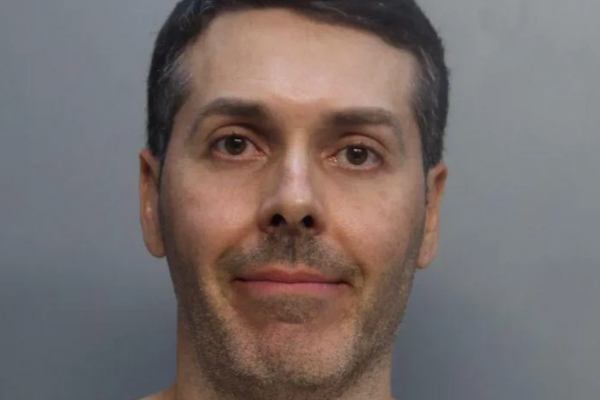
The draft measures came as a court on Thursday sentenced two of the seven male teachers to three years in prison, suspended for five years, after finding them guilty of taking indecent images of students and circulating them on social media.
This marks the first ruling involving the accused teachers whose arrest last year shocked Japan and raised concerns about the safety of schoolgirls.
The Nagoya district court handed down the ruling for Daiki Sawada, a 34-year-old teacher at a public elementary school in Tokyo, and Keisuke Tsugeno, a former teacher at a public junior high school in Chitose, Hokkaido, Kyodo reported.
Judge Megumi Murase said Sawada’s actions were an “obvious and malicious” crime as he took advantage of his position as a teacher who was supposed to protect his students.
The judge said Sawada’s sentence was suspended after he agreed to compensate the victims’ parents and undergo therapy.
The court was told that Tsugeno, 41, used his pen-shaped camera to film five female junior high school students while they were changing clothes. He broke into a girls’ restroom to take images of the underwear of a girl, then 14 years old.
On Monday, the education ministry released a draft revision to the law preventing sexual misconduct against students.
The revision will make it difficult to install hidden cameras, require regular inspections of classrooms, restrooms and changing rooms, and ensure teachers do not take pictures of students with their personal smartphones.
The revision will also make dismissal of teachers who commit indecent acts against children mandatory and not optional.
The new rules are expected to be formally adopted in the fiscal year 2026, which begins in April, following public feedback.
In 2023, Japan introduced its first national law against the nonconsensual capture of sexually exploitative images or videos. The legislation, aimed at curbing what is commonly referred to as “photo voyeurism”, outlawed actions like “upskirting” and covert recordings of sexual activity.
The law was introduced after multiple rape acquittals in 2019 caused outrage and outcry from rights groups who demanded a uniform law for the entire country.
Before the law came, such offences could only be prosecuted under individual prefectural laws, which varied widely in terms of scope and enforcement.
The legislation, part of wider reforms to the country’s sex crime statutes, including an expanded definition of rape, marked a significant shift.
Taiwan sounds alarm over Chinese boat activity while world’s attention is on Iran
Which countries are rejecting Trump’s call to send ships to Strait of Hormuz and why
Two dead after boats carrying students capsize off US base construction site in Japan
Crisp fans’ fury as popular Japanese snack hit brand by oil shortage
Japan ready to offer missiles and join Trump’s ‘Golden Dome’
Punch the monkey is being ‘disciplined’ not bullied, insists Japanese zoo