
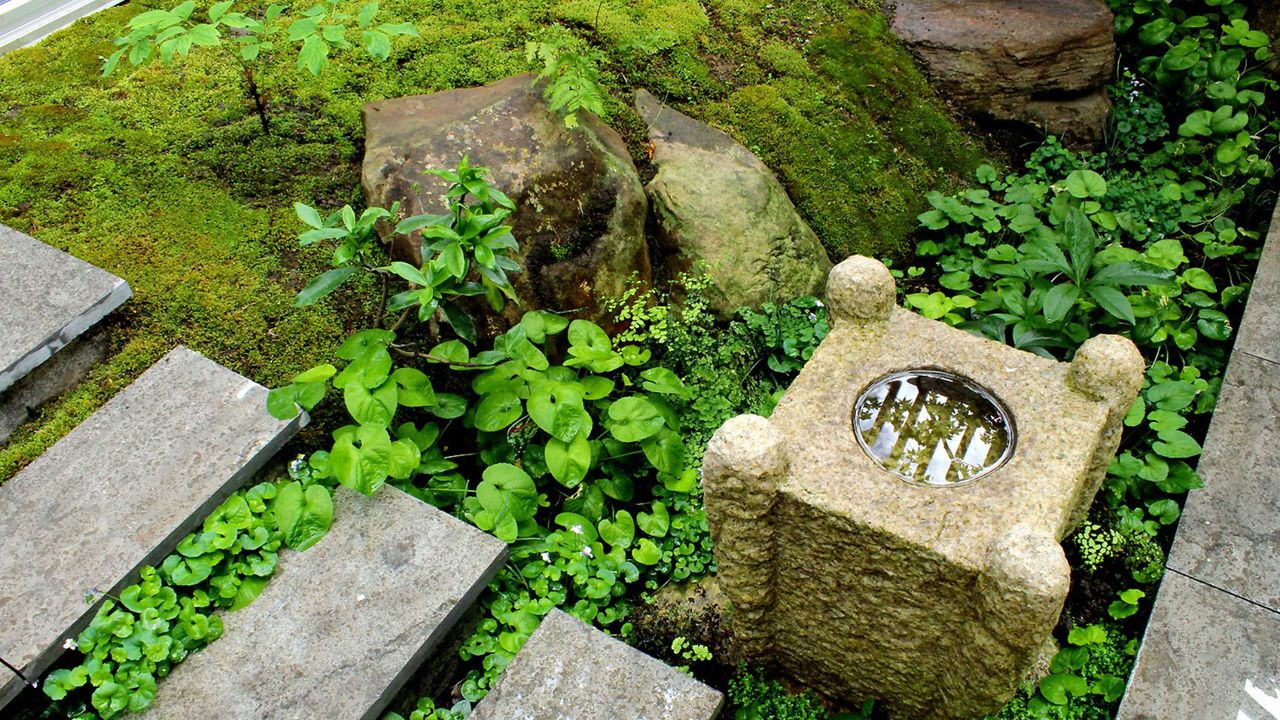
Velvety carpets of moss have long been an accent of traditional Japanese gardens. Also known as koke-dera, this landscaping style is designed to bring a lush sense of calm to your backyard. And if you ask me, it's far more elevated than a grass lawn.
Where Japanese garden ideas are concerned, this aesthetic is not as low-maintenance as expected. That's not to say it's tough to flourish either. It falls somewhere in the middle, and the final result is beyond satisfying.

In planning for my dream garden, I had to learn more about how to bring this green concept to life. So, here's some history on this planting design and the faux pas that might lead the allure astray.
What Is a Japanese Moss Garden?

"Moss is one of the most iconic symbols of Japanese gardens and culture. So much so that it's mentioned in our national anthem," says Shinya Ueda, landscape designer at Fumio Ueda.
"May your reign continue for a thousand, eight thousand generations, until the tiny pebbles grow into massive boulders, lush with moss."
When you walk through a moss-covered forest, Shinya tells me that you're instantly enveloped by the feeling of entering a sacred space. "It's almost as if no man has ever set foot in there. Seeing the carpet of green is known to have that calming effect. After all, where there's green, there is water, life, and sustenance," he notes.
"A moss garden is like the minimalist's approach to garden design. And with minimalist design, materiality is crucial. With poor materials, a minimalist backyard will end up looking stark and lifeless."
In this respect, Shinya finds that moss is an unbeatable material, as it quietly fills in the negative spaces to elevate your accent trees and rocks. But where do you even begin?
How to Design a Japanese Moss Garden

Well, before you get carried away with the allure of designing moss into your modern garden, Shinya warns that while they look effortless, they require careful planning, preparation, and diligent care. Here are some non-negotiables of Japanese moss garden design.
Humidity: "Moss does not have roots. They absorb water from their foliage-like phyllids. Watering must be sympathetic to the weather conditions throughout the year," he explains. "Automated misting systems may also be an option. Tap water is often very heavy, so a filtration system is recommended. If possible, using rainwater is ideal."
Drainage: Shinya explains that moss requires moisture, but it also needs to breathe. "Because they will require regular water, it's essential to prepare the substrate to have good drainage," he advises.
"Make sure the other plants are not going to get 'drowned' as well. In Japan, moss gardens are commonly planted on mounded beds. A thin layer of sphagnam moss worked into the surface before laying down the moss."
Dappled light: According to Shinya, moss prefers to grow under the canopy of a tall deciduous tree. "Indirect light is best. In areas with direct sunlight at 12 o'clock, shade cloth is required. If too shady, they will not grow either, so if the tree canopy is too dense, thin out as required."
Maintenance: Though moss does act as a 'living' mulch, he explains that when left unattended, weeds will begin to take over. Additionally, he recommends carefully sweeping away leaf litter so as not to smother the moss. This will aid in designing a Japanese moss garden that looks truly beautiful.
Seasonality: "If you can provide year-round humidity, moss can stay green all year. However, in nature, most mosses go through dormancy," he notes. "You might be surprised to know that in Japan, most moss gardens go dormant and look brown for ⅓ of the year during the drier months of winter. They regain their green with the onset of humidity during the summer months."
Location: If the intended space is not conducive to moss, Shinya recommends considering easier alternatives by using groundcover plants like babytears, consican mint, pratia, mondo grass (for dappled light conditions), and Irish moss, creeping thyme, nitidus thyme, and dichondra (for full sun).
"If you are interested in giving moss a try, I suggest experimenting with a small patch first," he suggests. "If it flourishes for 12 months, then you can expand it with confidence."
What Not to Do

In moss garden design, Shinya's advice is to embrace minimalism and avoid these traps.
Heavy plants: "Thick, dense, dark-looking plants don't fit the look. If you already have such plants, apply pruning techniques to thin out the density and make it look lighter. If it's a clipped bush, shape it low and wide, not tall and narrow."
Contrasting foliage: Similarly, he recommends avoiding plants with burgundy, silver, or yellow foliage. Instead, he suggests sticking to green plants, preferably lighter in color. As far as fall garden color, he encourages it.
Garden decor: "Avoid cluttering your garden with cheap 'Karate Kid' gimmicks. If you must, use antique Japanese stone features, authentic garden ornaments with patina, or a tasteful contemporary sculpture." This is especially essential to honoring this Japanese garden tradition and prioritizing an organic finish rather than an artificial adaptation.
Contrasting pavers: Shinya advises against hardscaping materials like white pebbles, travertine, marble, and glossy tiles. Alternatively, he suggests using darker, or more subtle, earthy aggregates, natural stone, or concrete instead. He also finds that red brick can work, but will undoubtedly lean more European.
Backdrop hedge: "Use a material that contrasts with the moss for your backdrop. For example, stone or earthen walls, timber or bamboo fence, or even a plain monochromatic beige wall," he says.
"By following these general tips, you will create a more harmonious and tranquil setting for a moss garden. The eyes will naturally be drawn downwards to the green carpet, allowing your soul to feel grounded."
Japanese Garden Decor
Color: Off White, Beige, Black, Greige
What's a Japanese moss garden for if not to be enjoyed? And garden decor like this chair from Ferm Living will softly add to your space without distracting from the landscape.
Finish: Natural
Crafted from Japanese porcelain, this minimalist outdoor planter from Hasami is ideal for peppering some textured foliage into a supporting container garden.
Color: Dark Gray
Water feature pots like this charming number from Cox & Cox will add to the sensory appeal of your moss garden.
FAQs
Are Moss Lawns Better for the Environment?
As you might have guessed, moss lawns are definitely better for the environment than traditional grass lawns. Aside from being eco-friendly and requiring no fertilizers or pesticides, this style of landscaping thrives in the shade. Plus, it encourages biodiversity, absorbs carbon, and improves the air quality in your backyard.
And your love for moss need not be relegated to your open spaces. It can work just as wonderfully inside, too. You can commit to the aesthetic with a living wall. Or dip your toe in through pretty kokedama houseplants.
This Fern Bonsai Kokedama from Tranquil Plants is a lovely choice for your indoor garden. And if you're looking for more ideas to elevate your interior and al fresco spaces, subscribe to the Livingetc newsletter.