A magnitude-5 earthquake rattled parts of eastern Japan on Wednesday morning, briefly unsettling residents but causing no serious harm, local reports said.
The Japan Meteorological Agency warned that aftershocks of a similar strength could follow in the coming days and urged residents to stay alert for about a week.
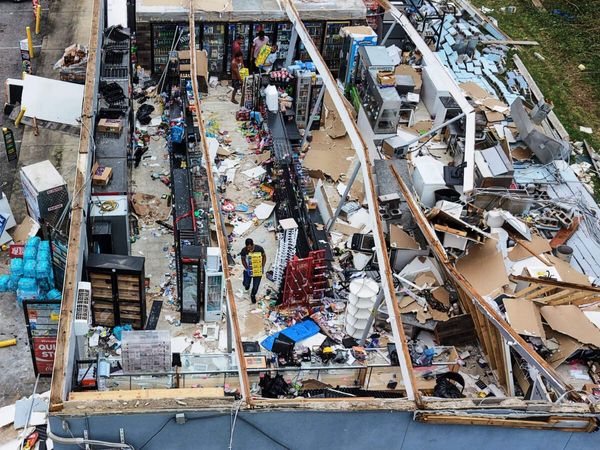
According to the agency, the latest earthquake struck at 10.06am local time and measured lower 5 on the country’s shindo seismic intensity scale.
Japan uses a special shindo scale to describe how strongly the ground shakes during an earthquake. It goes from 0 to 7 and reflects the actual impact felt at a location, unlike magnitude which measures the earthquake’s overall energy at its source. The agency said tremors reaching up to lower 5 on the scale – a level that can make it hard to remain standing – were possible in the next few days.
The tremor was felt most strongly in Tochigi and Ibaraki prefectures.
The epicentre was in southern Ibaraki at a depth of around 48km. Nearby regions like Fukushima, Chiba and Saitama prefectures, experienced noticeable but less intense tremors, the Japan Times reported.
Officials confirmed there was no tsunami risk and early checks did not reveal any injuries or major damage.
However, several bullet train services between Sendai and Tokyo stations were delayed for hours as inspections were carried out.

Chief cabinet secretary Minoru Kihara said no irregularities had been reported at nuclear facilities.
He added that prime minister Sanae Takaichi directed officials to work closely with local authorities to monitor the situation and keep the public informed.
Japan is positioned along the infamous “Pacific Ring of Fire” where the Pacific, North American, Eurasian, and Filipino tectonic plates converge. The constant shifting of the four plates leads to frequent earthquakes in the East Asian country, some of which can be devastating.
Japan, however, is known for its world-leading earthquake preparedness, with resilient building structures adhering to strict regulations and regular earthquake drills in schools.
The country was struck by a major earthquake in March 2011, starting a tsunami that killed over 18,000 people and sending three of the Fukushima nuclear power plant's reactors into meltdown. It’s still recovering from that nuclear disaster.
Japan unveils new long-range missiles to defend itself
Scientists achieve ‘impossible’ solar efficiency in renewables breakthrough
Komodo dragons and red pandas swapped in key conservation plans
Punch clings to zoo keeper’s leg after they switch out dirty rag doll ‘mom’
Iran war worries fail to dampen business sentiment in Japan
China sanctions Japanese lawmaker close to PM Takaichi over Taiwan visits