Closing summary
The US politics live blog is ending its day following the third hearing of the January 6 committee, which revealed that the architect of Trump’s strategy to overturn the election sought a pardon from the president, and featured a warning from a noted conservative jurist that the former president jeopardizes American democracy. Meanwhile, Trump’s troubles in court continued.
Here’s what else was in the news:
- President Joe Biden defended his economic record in an interview with the Associated Press, saying a recession was “not inevitable” despite troublingly high inflation and the Federal Reserve’s aggressive moves to lower it.
- John Hinckley, who shot president Ronald Reagan in 1981, was released from court oversight and celebrated on Twitter, as one does.
- Senators continued work on a bipartisan gun control compromise, with the main Republican negotiator saying an agreement needed to be reached today.
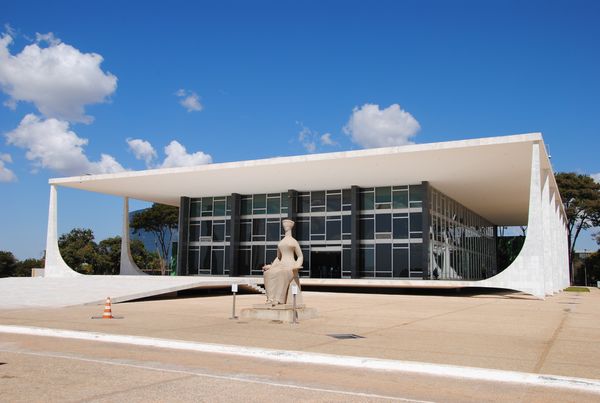
- The January 6 committee said it wants to talk to Ginni Thomas following a report from The Washington Post that the wife of conservative supreme court justice Clarence Thomas corresponded with John Eastman, the Trump lawyer who plotted to overturn the election.
- Deborah Birx, the White House pandemic response coordinator under Trump, will testify before Congress next week for the first time .
Biden campaigned on fighting climate change, but many of his proposals to do that have stalled in Congress. The Guardian’s Oliver Milman reports that whether or not Washington takes meaningful action to cut its emissions may determine if millions of people live or die:
The rapidly shrinking window of opportunity for the US to pass significant climate legislation will have mortal, as well as political, stakes. Millions of lives around the world will be saved, or lost, depending on whether America manages to propel itself towards a future without planet-heating emissions.
For the first time, researchers have calculated exactly how many people the US could save by acting on the climate crisis. A total of 7.4 million lives around the world will be saved over this century if the US manages to cut its emissions to net zero by 2050, according to the analysis.
The financial savings would be enormous, too, with a net zero America able to save the world $3.7tn in costs to adapt to the rising heat. As the world’s second largest polluter of greenhouse gases, the US and its political vagaries will in large part decide how many people in faraway countries will be subjected to deadly heat, as well as endure punishing storms, floods, drought and other consequences of the climate emergency.