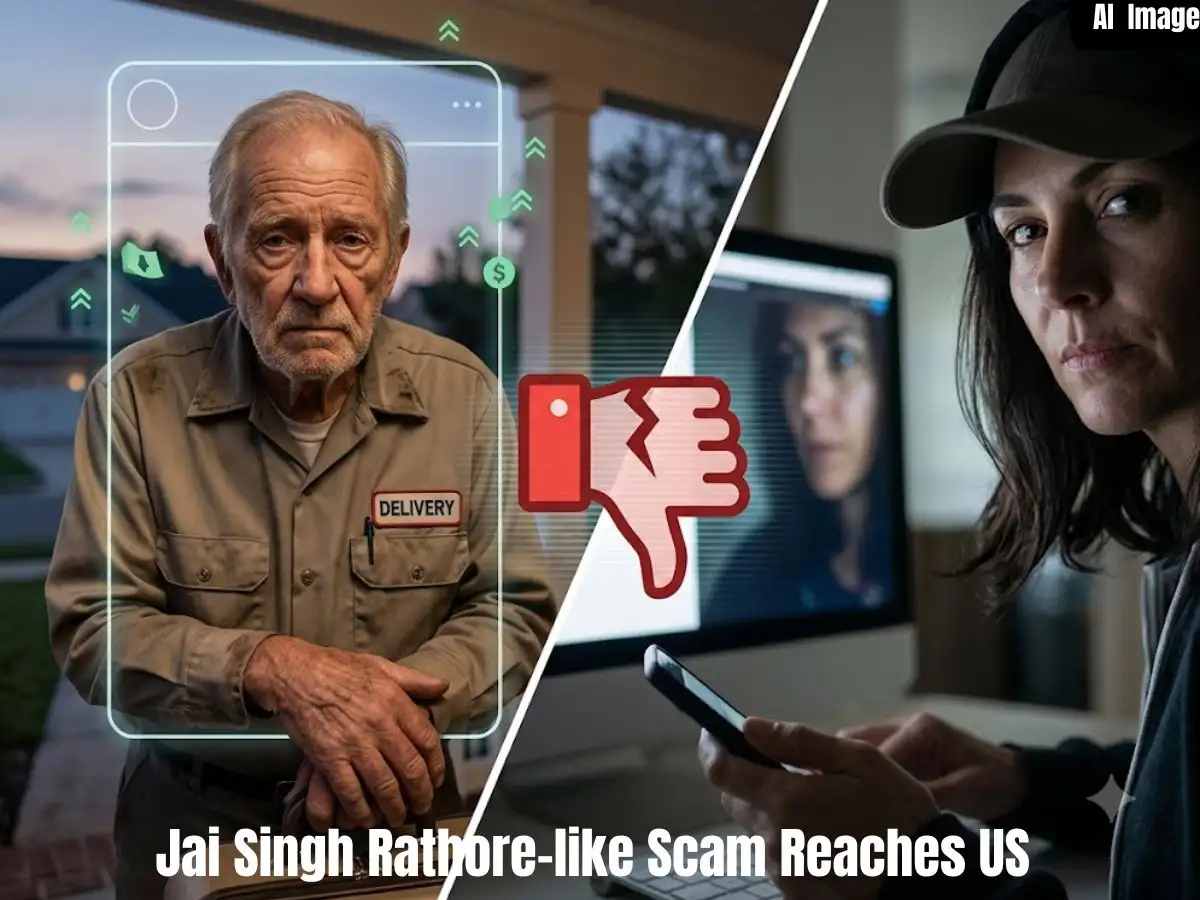
The Jai Singh Rathore-like fundraising scam has surfaced in the US where an emotional personal story was presented to donors to raise money for treatement. Similar to recent case in India where a social media user posted a fake medical prescritpion to raise money for his younger sister's eye treatement, a fake fundraiser was posted for an 81-year-old Texas delivery driver and his wife suffering cancer. The fundraiser collected more than $700,000 (around Rs 7 crore) but was later removed after GoFundMe discovered that the organiser had falsely claimed to be their neighbour.
The campaign was created for Donald Johnson, who had gained attention online after footage showed him delivering lost luggage despite his age. Johnson had reportedly taken up the work to help support his wife Josephine, who has pancreatic cancer.

Jai Singh Rathore-like US scam: Daughter posed as neighbour
The fundraiser was launched on September 2 and was later flagged to GoFundMe. The platform's Trust & Safety team investigated the campaign after receiving a tip on September 25, NewsNation reported. The organiser had introduced herself as a neighbour named “Erin Howell”. GoFundMe later determined that the person was actually Amy Johnson, Donald and Josephine's daughter. Amy reportedly told the platform that she had used the neighbour identity because she believed donors would connect more strongly with the family's situation if the appeal appeared to come from someone outside the family.
She also maintained that the core details in the fundraiser were genuine. According to Amy, a neighbour had supplied the footage showing Donald delivering luggage and had chosen not to identify themselves. She said the video was authentic and that her mother's cancer diagnosis, her father's work and the family's financial difficulties were accurately described in the appeal.
GoFundMe, however, said the organiser's relationship with the beneficiary must also be represented accurately, irrespective of the reason for the misrepresentation. The platform subsequently removed the fundraiser and refunded the donations.
81-year-old worked 14-hour days
Donald reportedly began delivering lost luggage as an independent contractor around three years ago, following his wife's cancer diagnosis. The 81-year-old said he sometimes worked for as many as 14 hours a day and drove hundreds of miles while trying to support his wife financially.
His story gained wider attention after footage of him making luggage deliveries circulated online. The video became one of the key elements used to explain the family's circumstances in the fundraising appeal. The controversy, however, centred on the identity of the person who created the fundraiser rather than the family's underlying circumstances.
New fundraiser launched on another platform
After GoFundMe removed the original campaign, Amy launched another fundraiser for her parents on GiveSendGo, according to the New York Post. In the new appeal, she addressed the controversy surrounding the earlier campaign and said her parents' financial difficulties had not changed.
Amy wrote that her mother continues to live with pancreatic cancer while her father, despite being 81, continues working to help the family manage its expenses. She also repeated her claim that the doorbell footage showing Donald delivering luggage was genuine and had been provided by a real neighbour.
Amy explained that the original GoFundMe page had been created using her account because it was already established. She said the family wanted to provide a way for people who still wished to help to contribute. The new fundraiser had reportedly received more than $45,000 towards a $100,000 goal as of Monday.
GoFundMe says donations were refunded
GoFundMe said enforcing its rules on fundraiser organisers is necessary to protect donors and maintain trust in its fundraising platform. Amy's decision to start a second campaign means people who still want to financially support the Johnson family now have a separate avenue to do so.
The case has drawn comparisons with other fundraising controversies in which the underlying personal story and the way it was presented to donors became two separate issues.