
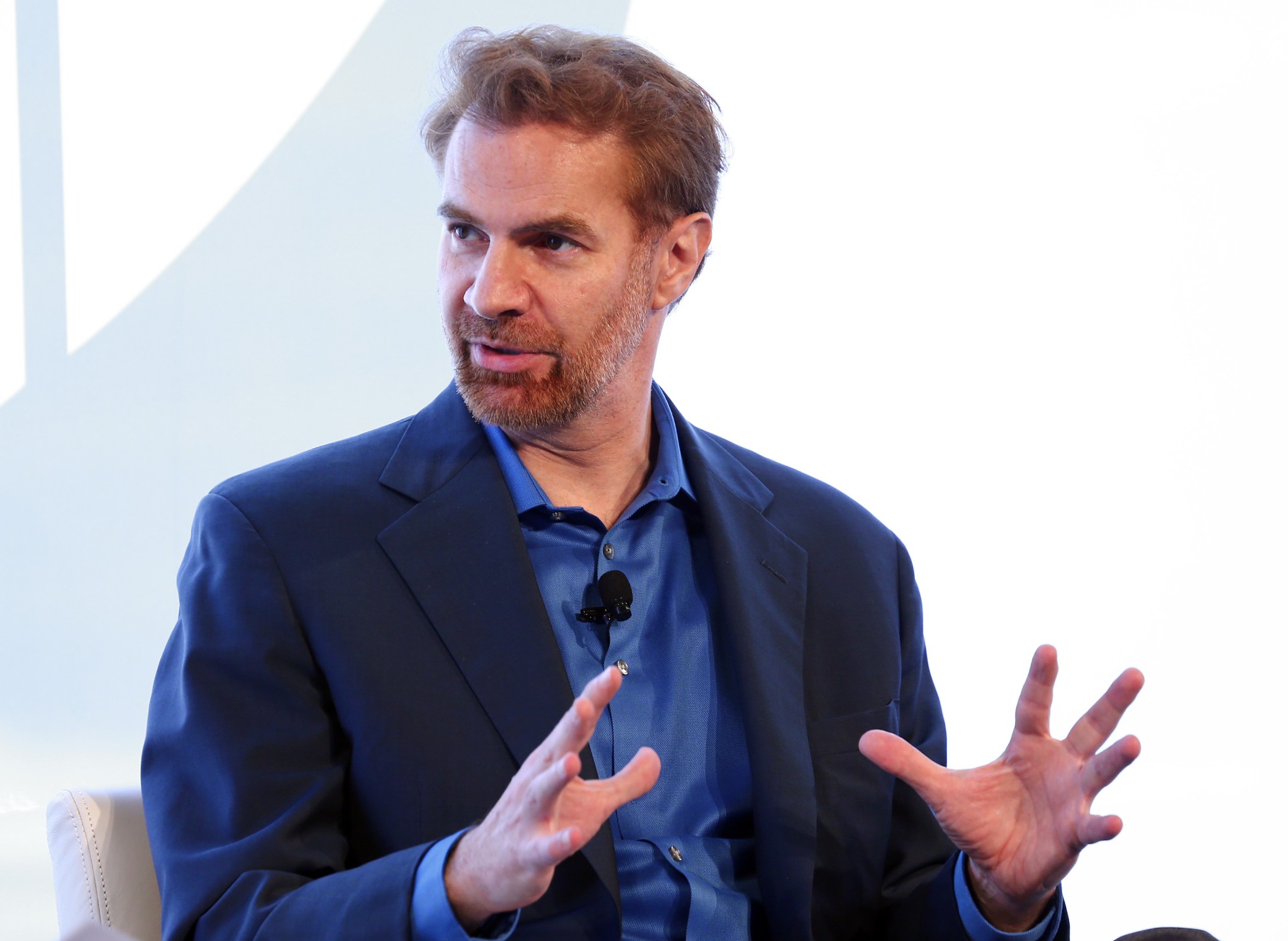
Last August, a team led by Stanford economist Erik Brynjolfsson published a deep look at the impact of AI on jobs, boosted by a “large-scale, high-frequency administrative dataset from ADP,” the largest payroll software provider in the United States.
The findings were stark: a significant relative decline in employment for workers ages 22 to 25 in the most AI-exposed occupations since the widespread adoption of generative AI — even after controlling for other economic shocks. Critics pushed back immediately. Google economists said it was interest rates, while others blamed tech-sector overhiring, remote work distortions, pandemic noise. Earlier this month, Apollo Global Management’s Torsten Slok continued to argue that entry-level hiring woes are a feature of the low-hire, low-fire job market, asking “where is the AI jobs crisis?“