
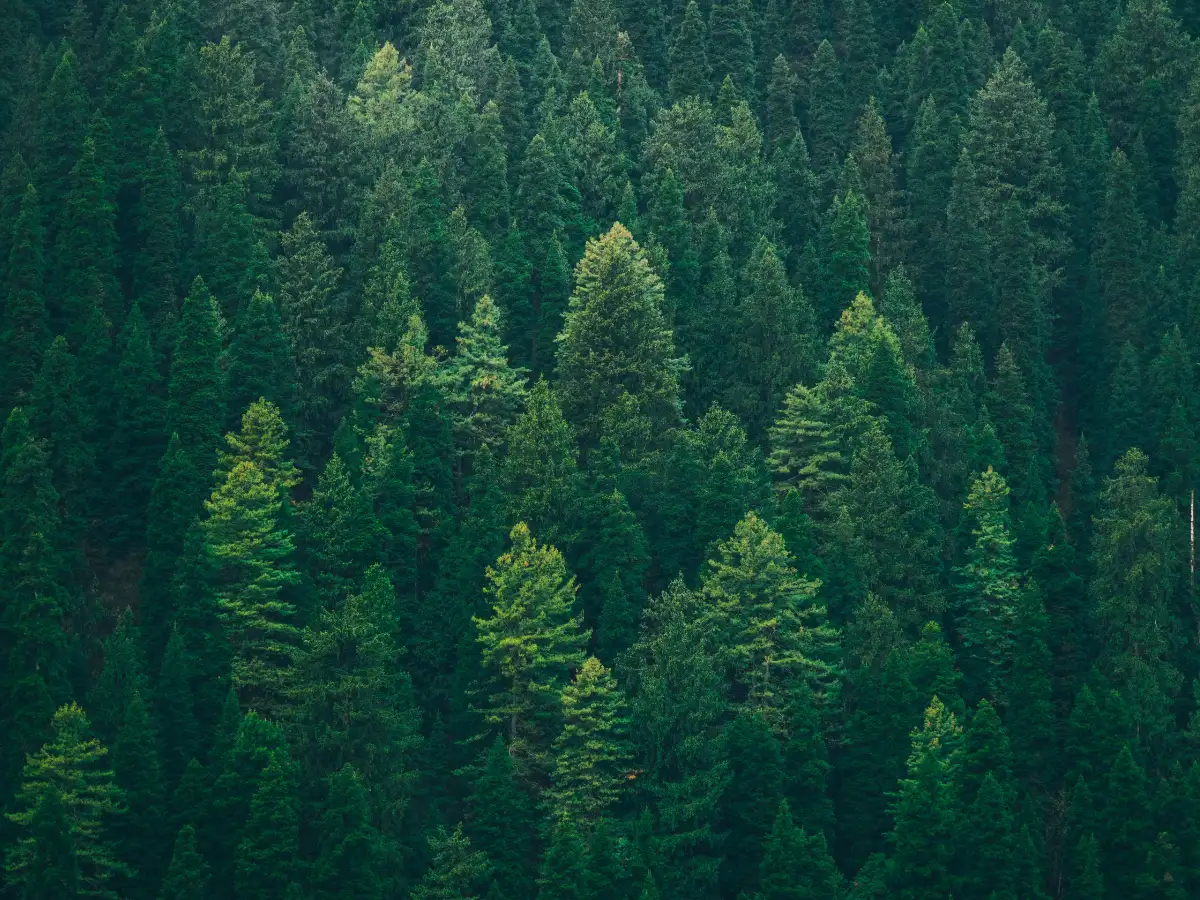
During the 1930s, Italy’s government launched a sweeping reforestation effort in the Prealps region near Lake Como, at the foothills of the Alps, planting fast-growing Norway spruce on land that had been pasture and meadow for centuries. It was a conscious decision, made mainly to answer the demand for timber, but it did not involve much ecological thinking. Now, 90 years later, a new study has gone back to measure what that decision actually did to the landscape, and the results are not flattering.
According to the study, ‘Long-Term Ecological Impacts of Norway Spruce Plantations on Biodiversity and Microhabitat Conditions’ published in the journal Ecosystems by researchers at the University of Milan and the University of Lausanne, scientists compared century-old spruce plantations to nearby native deciduous forests and mountain grasslands at two sites in Italy’s Prealps.













