My new book, Why Women Grow, emerged from a state of longing I didn’t initially understand. Isolated, like many, by lockdown, I now realise I was seeking the company and wisdom of others to help make sense of the changes happening in my life as the world became ever more unrecognisable. But in the first instance, I just wanted to find out why women gardened – something that for so long has been considered a quiet, if not quaint, and often rarefied pursuit. From my own experience as a self-taught, urban gardener, I knew there was more to our connection with the earth than pruning roses; I wanted to delve into the power, resistance and politics of why we grow. And so I went out, across the country and, later, the continent, to speak with strangers about their relationship with the land.
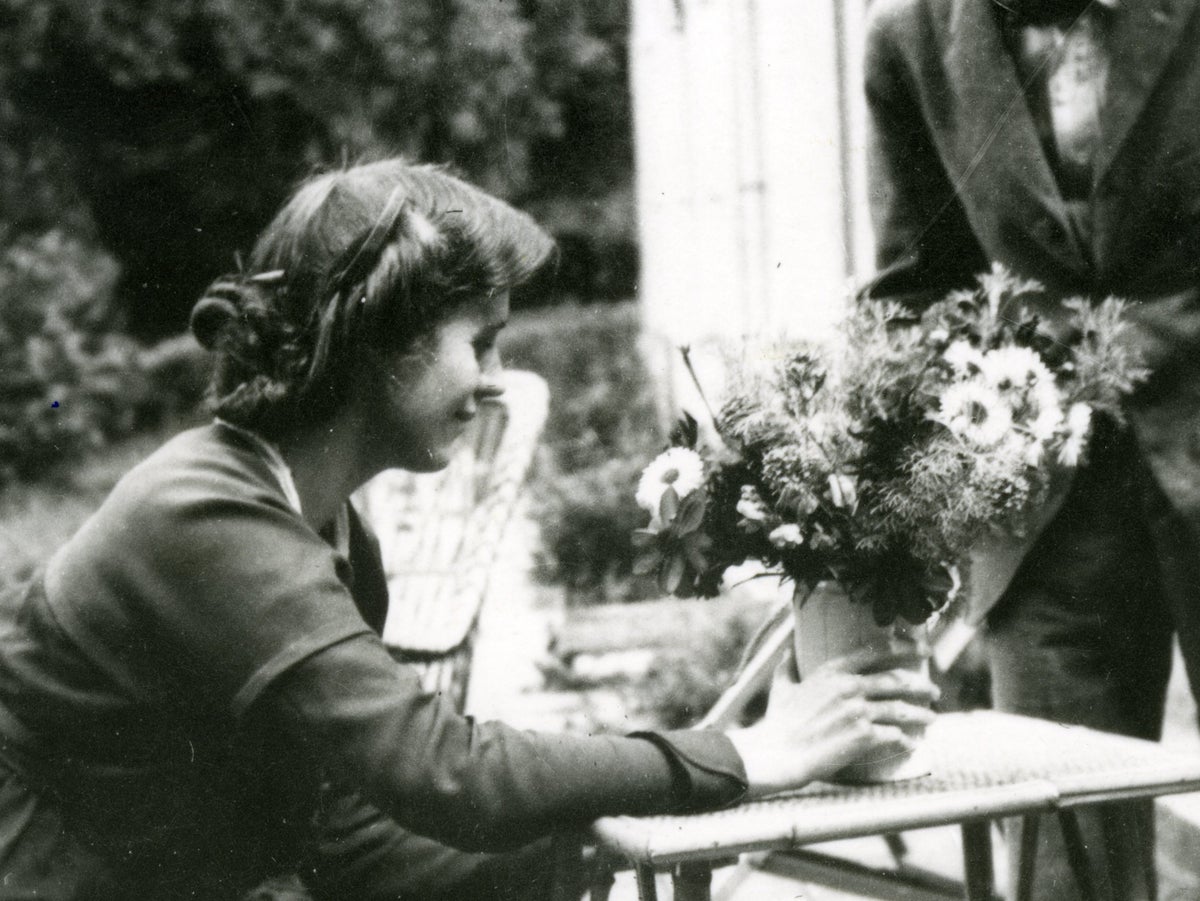
What I got in return were generous, fascinating and intimate stories about women’s lives. The two – gardening and womanhood – were entwined. The women I spoke to were refugees and rehabilitating prisoners, divorcees of chocolate fortune heirs and drag kings. I spoke to 45 of them, and one man: Harry Hoblyn, head gardener at Charleston, to better understand the lesser-known creation of the late painter Vanessa Bell. I’d admired Bell’s work for decades, it had spoken to me while I was in my teens; but she’d also been a voracious gardener. The flowers she grew with her sometime lover and life partner dovetailed with her work. This is what happened when I sought answers to questions I couldn’t ask her myself.