
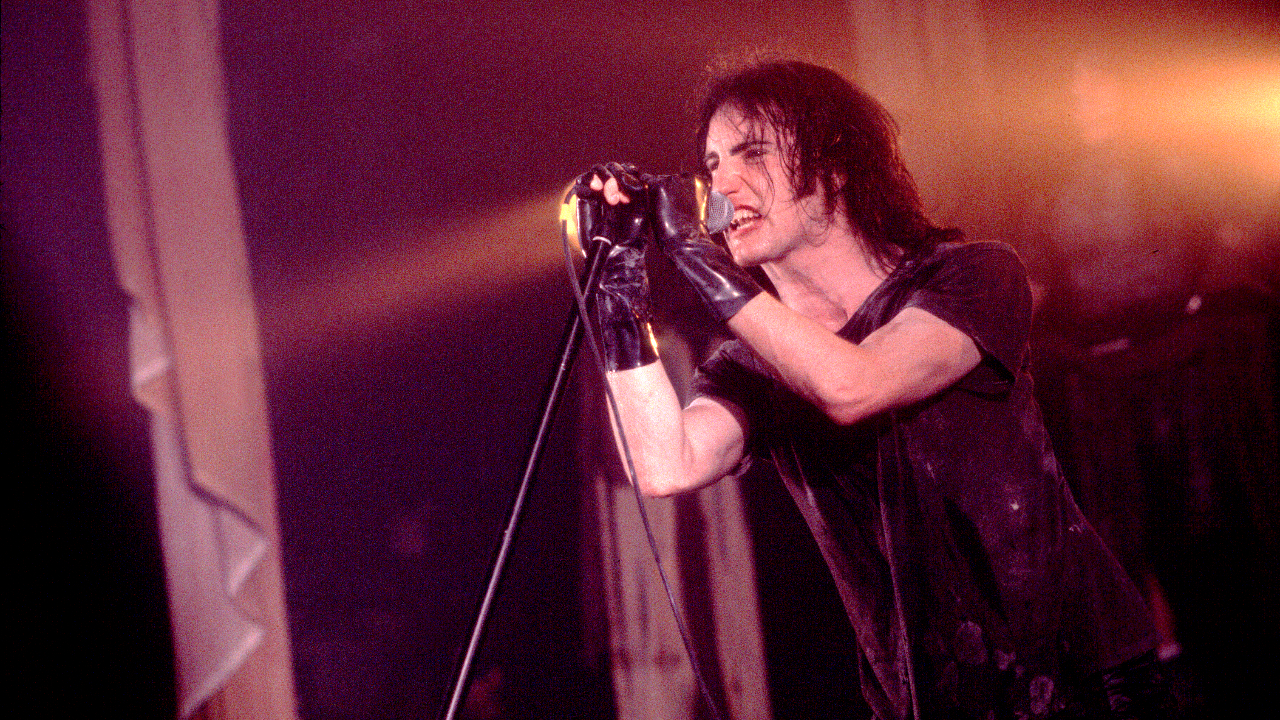
In the spring of 1997, US current affairs magazine Time published a cover story on the 25 Most Influential People in America. Nestled unexpectedly among heavyweight names from the worlds of politics, science and sport sat that of a man whose music, the publication wrote, “is filthy, brutish stuff, oozing with aberrant sex, suicidal melancholy and violent misanthropy”.
How, middle-class America could be forgiven for asking, as it thumbed through the issue in question, had it come to this: where the name Trent Reznor, of a band called Nine Inch Nails, was sharing column inches with US Secretaries Of State present and future? The answer was The Downward Spiral. Released three years prior, Nine Inch Nails’ second album may not have been on the radar of the majority of Time readers, but the roots that had grown from its dank, dark depths had sunk themselves deep into the foundations of popular culture.