
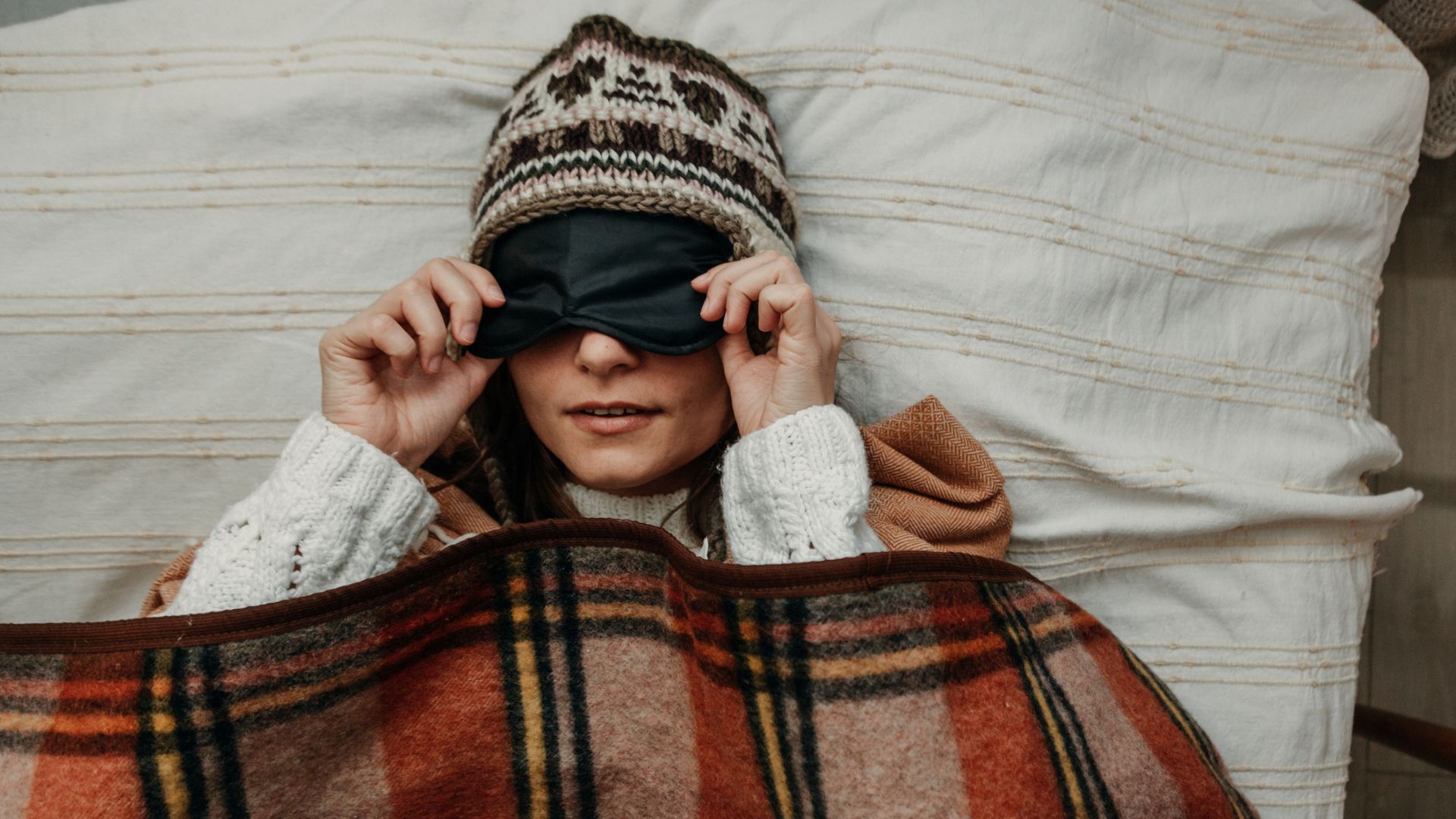
With longer nights and dark mornings, it can be tricky to sleep well during the winter. The reduced daylight hours can bring on Seasonal Affective Disorder (SAD) in some people, which is a type of depression that typically occurs in fall and winter.
The American Academy of Sleep Medicine describes SAD symptoms as including mood changes, sleep disturbance including insomnia, sleeping more and fatigue during the day, as well as social withdrawal and feelings of increased sadness. Alongside the potential to experience SAD, winter can be a tricky season for sleep anyway, with temperature changes and a lack of daylight wreaking havoc with our usual sleep routines.












