Get all your news in one place.
100's of premium titles.
One app.
Start reading
Fortune
Fortune
Jordan Blum

It's almost inexplicable why oil prices aren't much higher. But here's why markets are ‘resilient’ so far despite the biggest energy supply shock ever

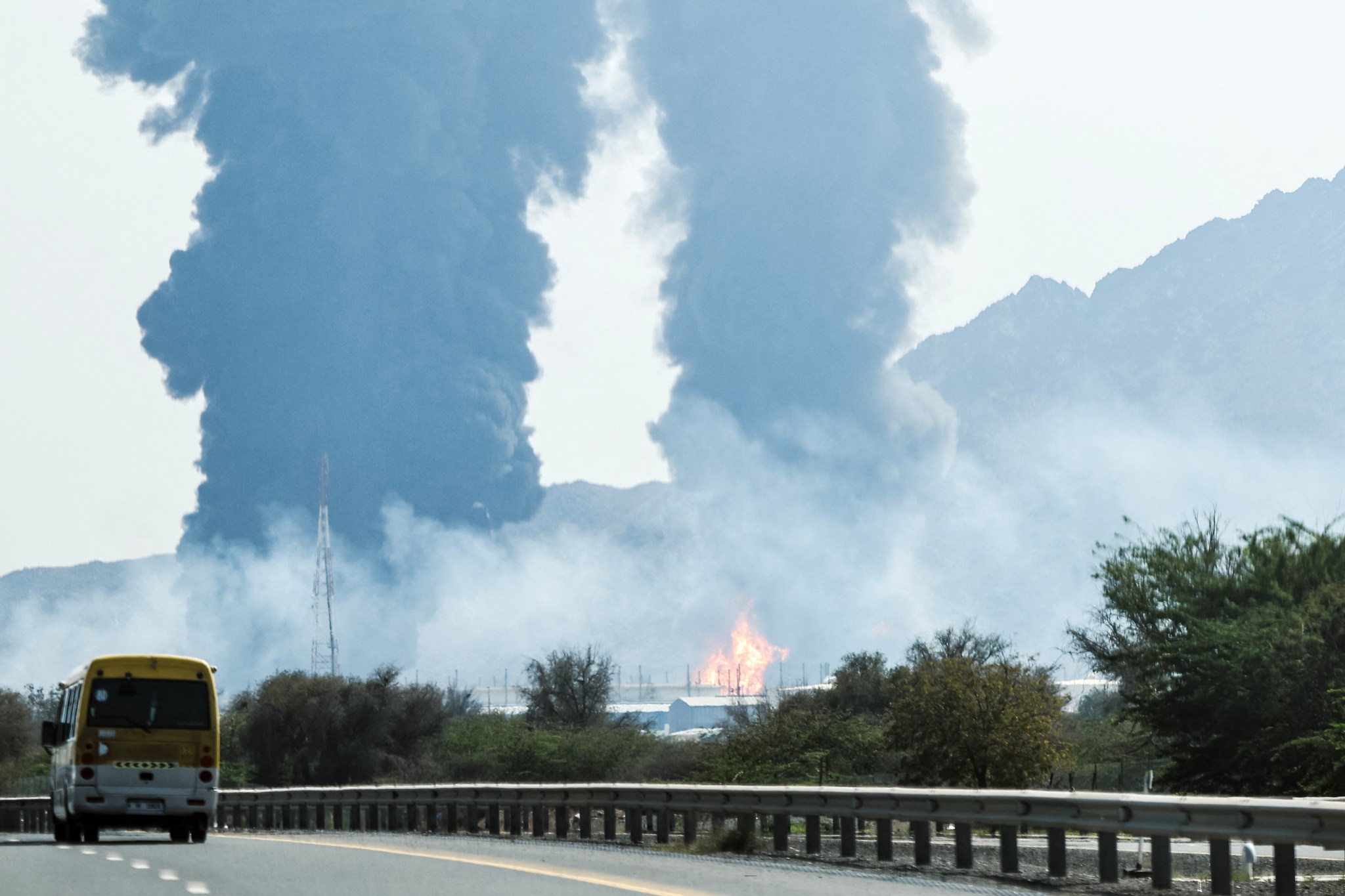
Smoke and flames rise from an energy installation in the Gulf emirate of Fujairah on March 14, 2026. Smoke could be seen rising from the direction of a major UAE energy installation on March 14, in what appeared to be the latest strike targeting the Gulf's petroleum facilities hours after the US struck Iran's Kharg Island. (Photo by AFP via Getty Images) / (Credit: Getty Images)

The war in Iran represents the biggest energy supply shock in history with the Strait of Hormuz choke point effectively off limits to the 20% of global oil and liquefied natural gas that flows through it each day.

While the U.S. benchmark for oil continues to rise to near $100 per barrel—up 70% since the beginning of the year—the extent of the disruption should theoretically justify global oil prices of record highs at $150 per barrel or more. This is especially true as Israel and Iran have begun to target gas fields and infrastructure that could lead to much more long-lasting damage throughout the Gulf region.

Sign up to read this article
Read news from 100's of titles, curated specifically for you.
Already a member? Sign in here
Related Stories
Top stories on inkl right now
One subscription that gives you access to news from hundreds of sites
Already a member? Sign in here
Our Picks
Fourteen days free
Download the app
One app. One membership.
100+ trusted global sources.