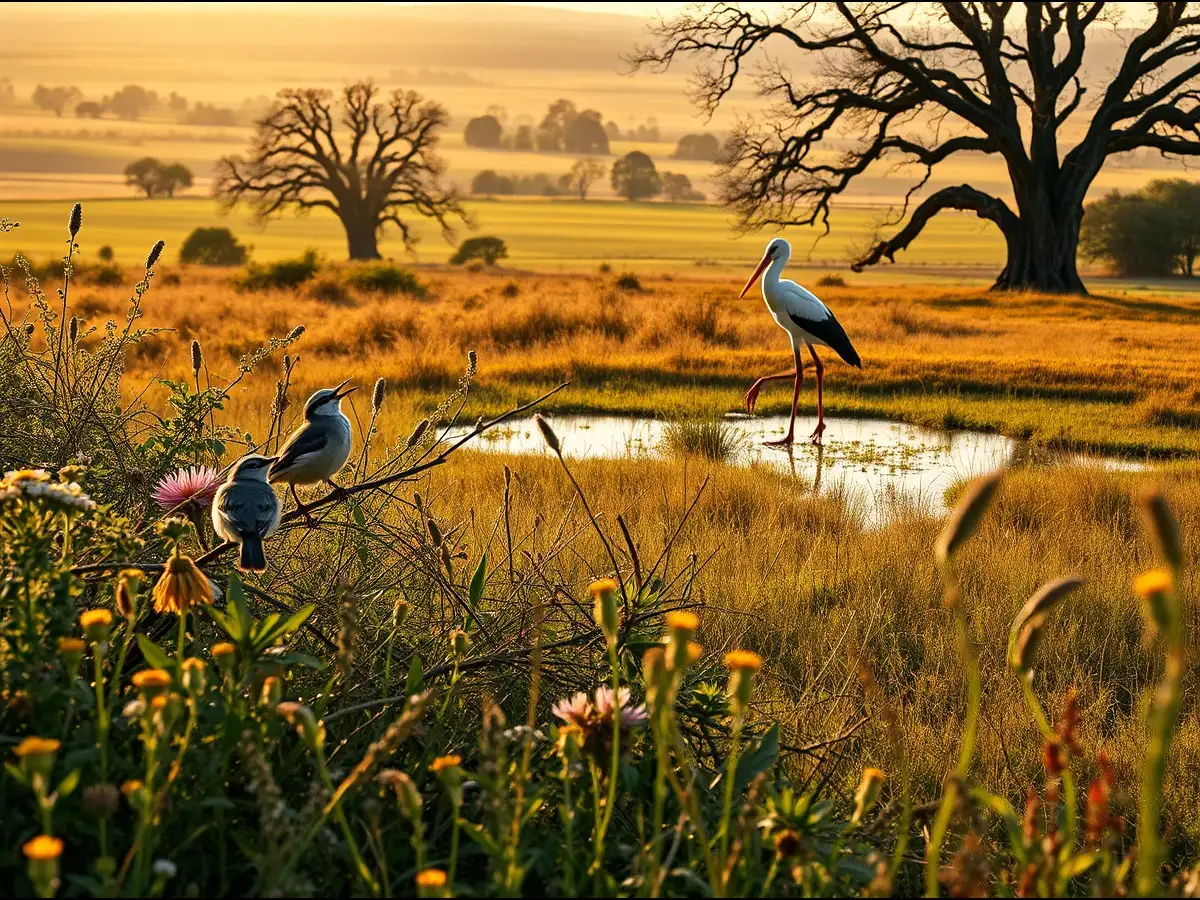
What happens when a struggling farm stops trying to control the land? At Knepp Estate in West Sussex, Isabella Tree and Charlie Burrell made the extraordinary decision to abandon conventional farming and let nature take over. Free-roaming cattle, ponies and pigs became part of a radical experiment that transformed the 3,500-acre estate into a wildlife-rich landscape, as per a report by The Guardian. Research by Fritha West, Using Bioindicator Bat Activity to Compare Ex-Agricultural Habitats: A case study of Knepp Estate, West Sussex, examined bat activity across different parts of the rewilded estate and found that a patchwork of habitats was associated with greater bat-species diversity.