New research has highlighted the significant financial burden obstructive sleep apnoea (OSA) places on businesses, leading experts to recommend workplace screening for the condition.
The findings, from a study conducted by specialists in the UK and the US, suggest that OSA could be costing companies billions annually in lost productivity.
The research examined the economic impact of OSA in both countries, utilising data from the 2021 census. Focusing on working-age adults aged 18 to 64, the team calculated losses by assessing absenteeism and reduced productivity at work.
In the UK sample, approximately 7 per cent of working-age adults met the criteria for OSA, with estimated productivity losses reaching as much as £4.22 billion annually, equating to £1,840 per worker each year.
Obstructive sleep apnoea is a condition where breathing repeatedly stops and starts during sleep, with loud snoring being a key symptom, according to the NHS.
In light of these findings, sleep specialists who regularly treat patients with OSA have outlined crucial signs that might indicate snoring is a symptom of a more serious underlying problem.
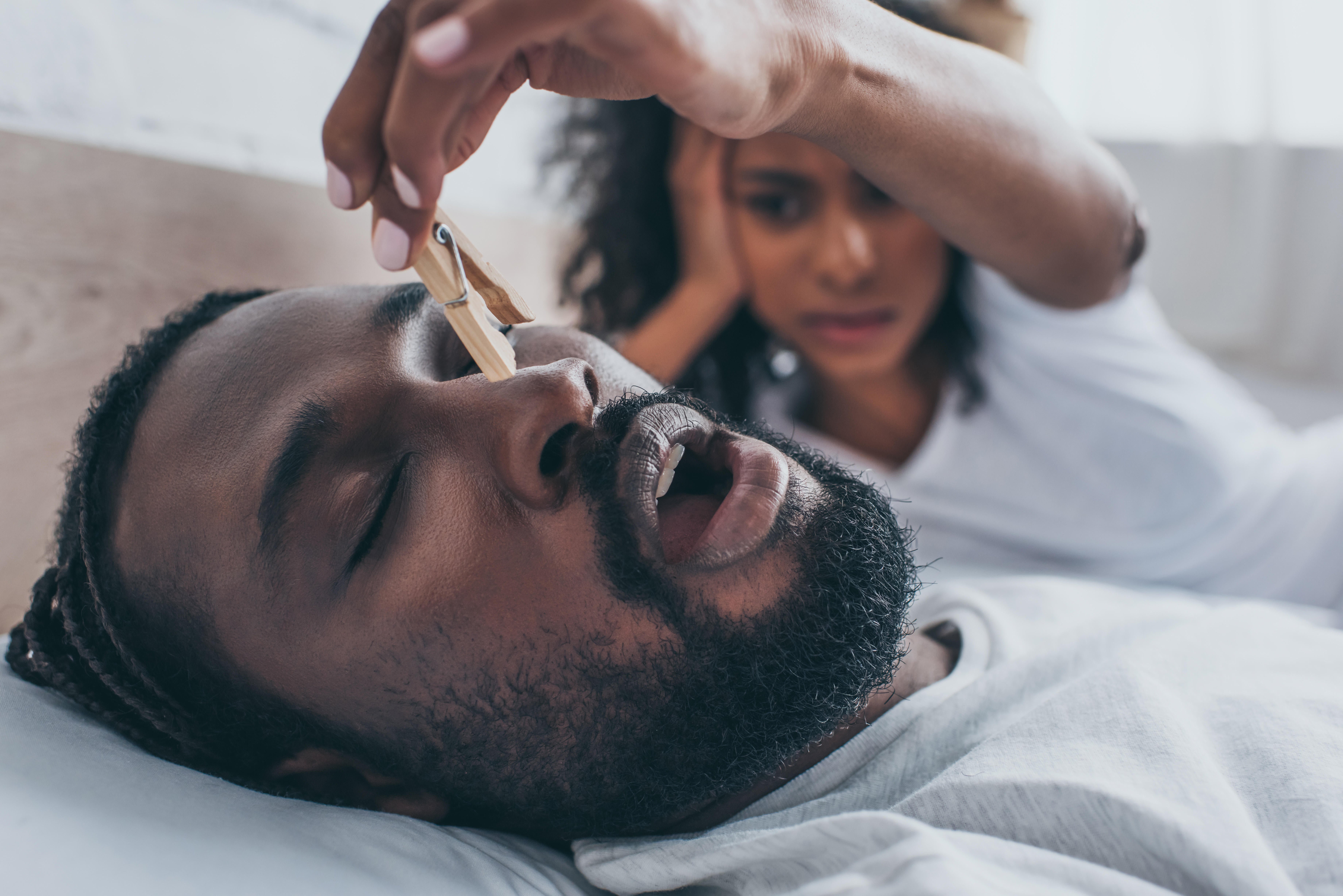
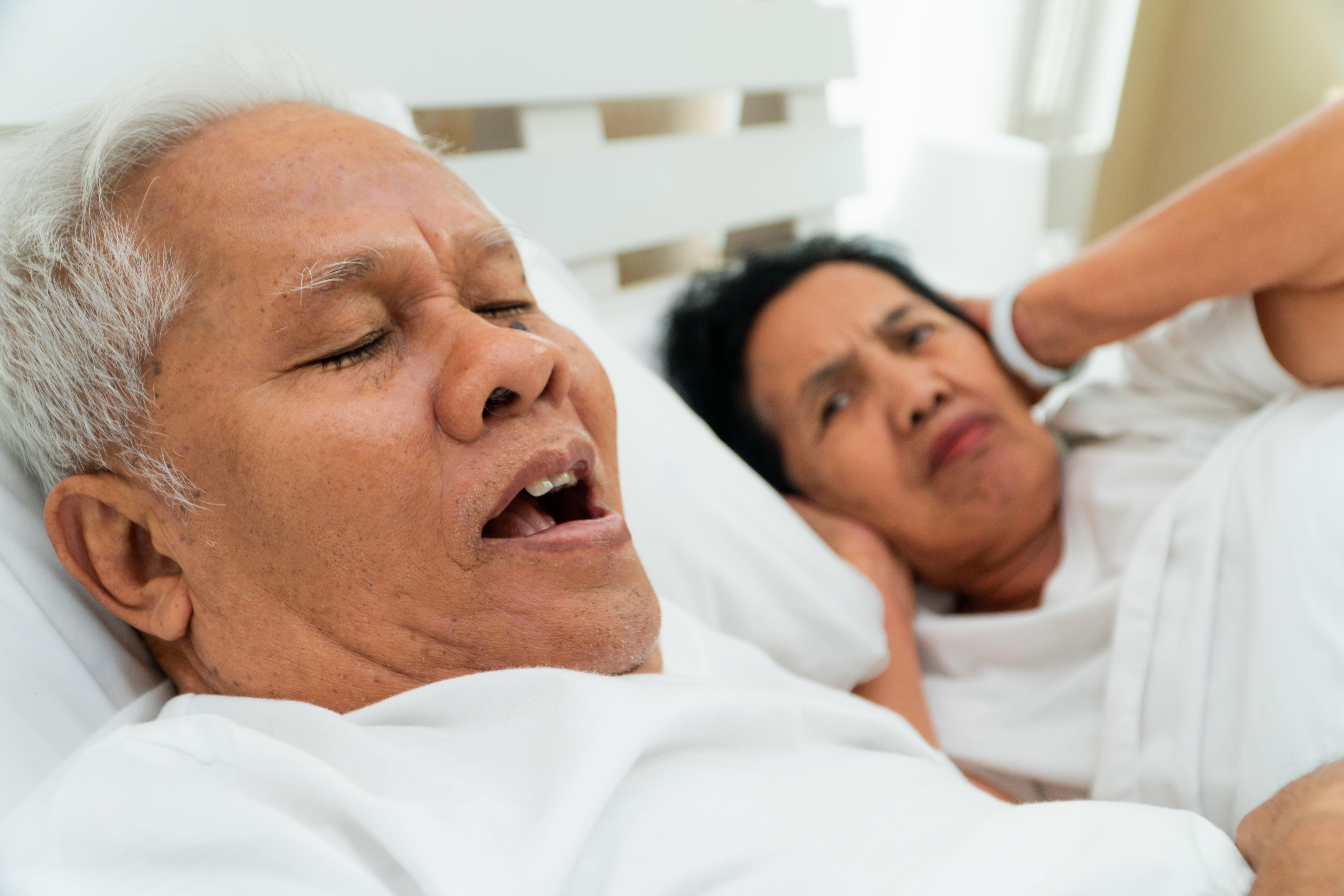
Dr Ryan Chin Taw Cheong, a consultant ENT (ear, nose and throat) and sleep surgeon at Cleveland Clinic London Hospital and Cleveland Clinic Portland Place Outpatient Centre, explains that anatomy, lifestyle, and physiology are the three primary factors contributing to snoring.
"If you have a structural narrowing of your nose or the back of your throat or the back of the tongue, that can actually increase the resistance of air flow when you breathe at night, which results in snoring sounds," he says.
He adds that lifestyle factors also play a role: "Also, if you’re particularly overweight or you drink a lot of alcohol, the upper airway muscles can become more relaxed, and that can also increase the resistance of air flow, resulting in snoring."
Dr Cheong further notes that the way muscles relax during sleep can be excessive, leading to obstruction.
"In some patients, the way that the muscles of the tongue or the palate or the throat relaxes is excessive to the point of obstruction or narrowing, and that can also cause snoring," he explains.
Several red flags might suggest that snoring is indicative of sleep apnoea. Dr Cheong highlights choking episodes, gasping for air, or pauses in breath.
"If you witness any choking episodes or gasping of breath or pause of breath by your bed partner, or if you’ve experienced it yourself, that’s a potential red flag of sleep apnoea," he warns.
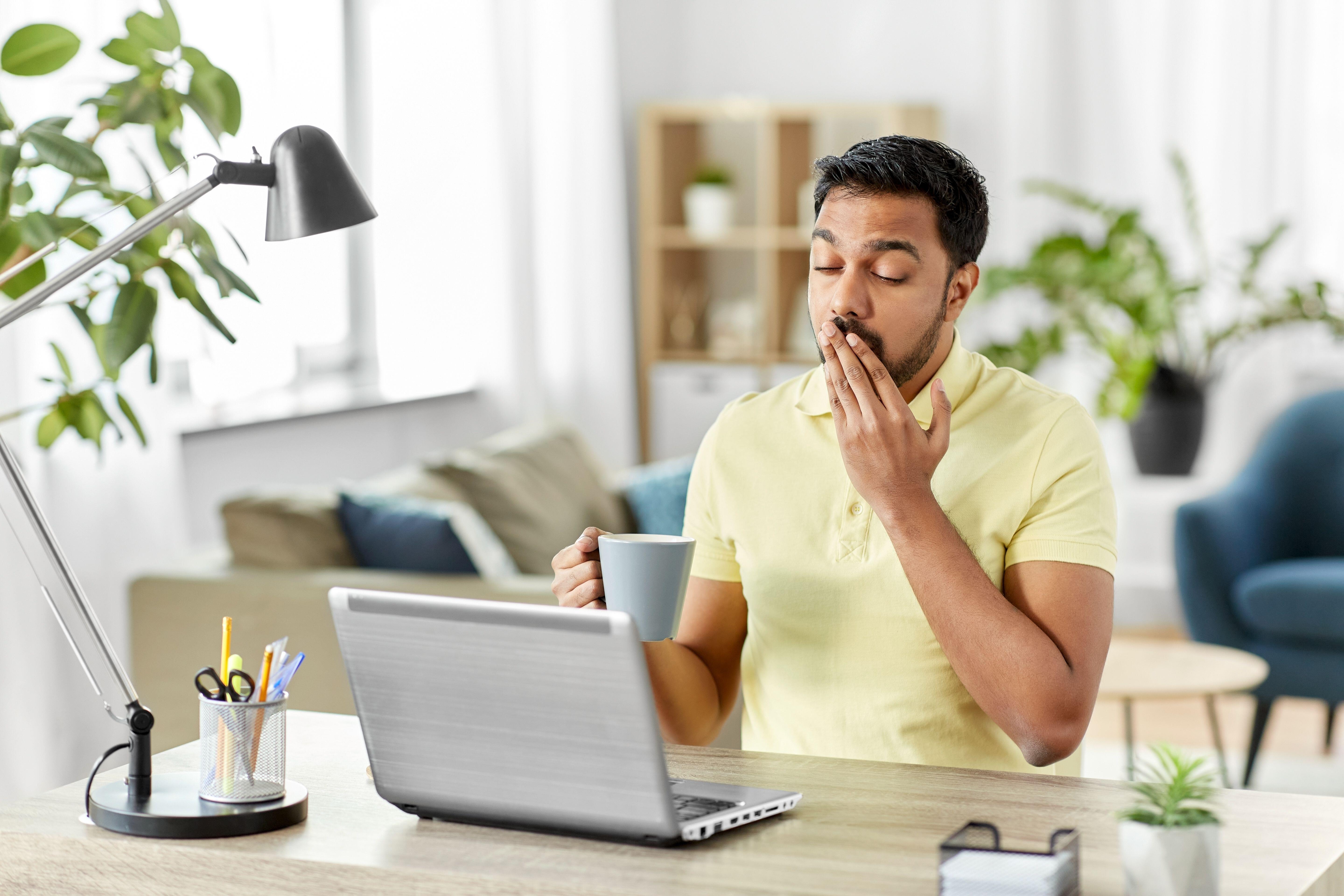
Another significant indicator is excessive daytime sleepiness.
Dr David Garley, a GP and director of The Better Sleep Clinic, explains: "The issue with sleep apnoea is that it causes really fragmented, poor-quality sleep, so you can’t get into these deep states of sleep that help you feel refreshed in the morning."
He advises that if individuals wake up feeling unrefreshed, are sleepy throughout the day, and struggle with concentration, memory, and low mood, they should consider speaking to a professional about sleep apnoea.
Untreated sleep apnoea carries substantial health risks beyond immediate daytime sleepiness and disruption to a bed partner.
Dr Cheong states: "Untreated sleep apnoea has been associated an increased risk of strokes and heart attacks, increased risk of diabetes, high blood pressure, and there’s also been evidence to suggest that it can increase the risk of neurocognitive decline."
Dr Garley adds that the consistent disruption of sleep can severely impact mental health.
"If you think how bad you feel after one night of sleep, then you can see how years of bad sleep can have a really major impact on your health," he says, noting that "some evidence suggests that around 20% of patients with sleep apnoea have depression."
Diagnosis typically begins with a risk assessment, such as the STOP-Bang questionnaire, an 8-item screening tool. However, the definitive diagnosis is usually made through a home sleep test.
Dr Garley describes this process: "This usually involves wearing a medical watch-like devices on your wrist which have a chest and a finger sensor, which takes really detailed measurements on how you sleep."
These devices detect pauses in breathing, drops in oxygen levels, and the activation of the fight-or-flight nervous system triggered by breathing interruptions.
Treatment for sleep apnoea often starts with lifestyle modifications.
Dr Cheong recommends: "Reducing your alcohol consumption is something lifestyle based that can be altered to reduce your risk of sleep apnoea. Making sure that your weight is within optimal range can also help."
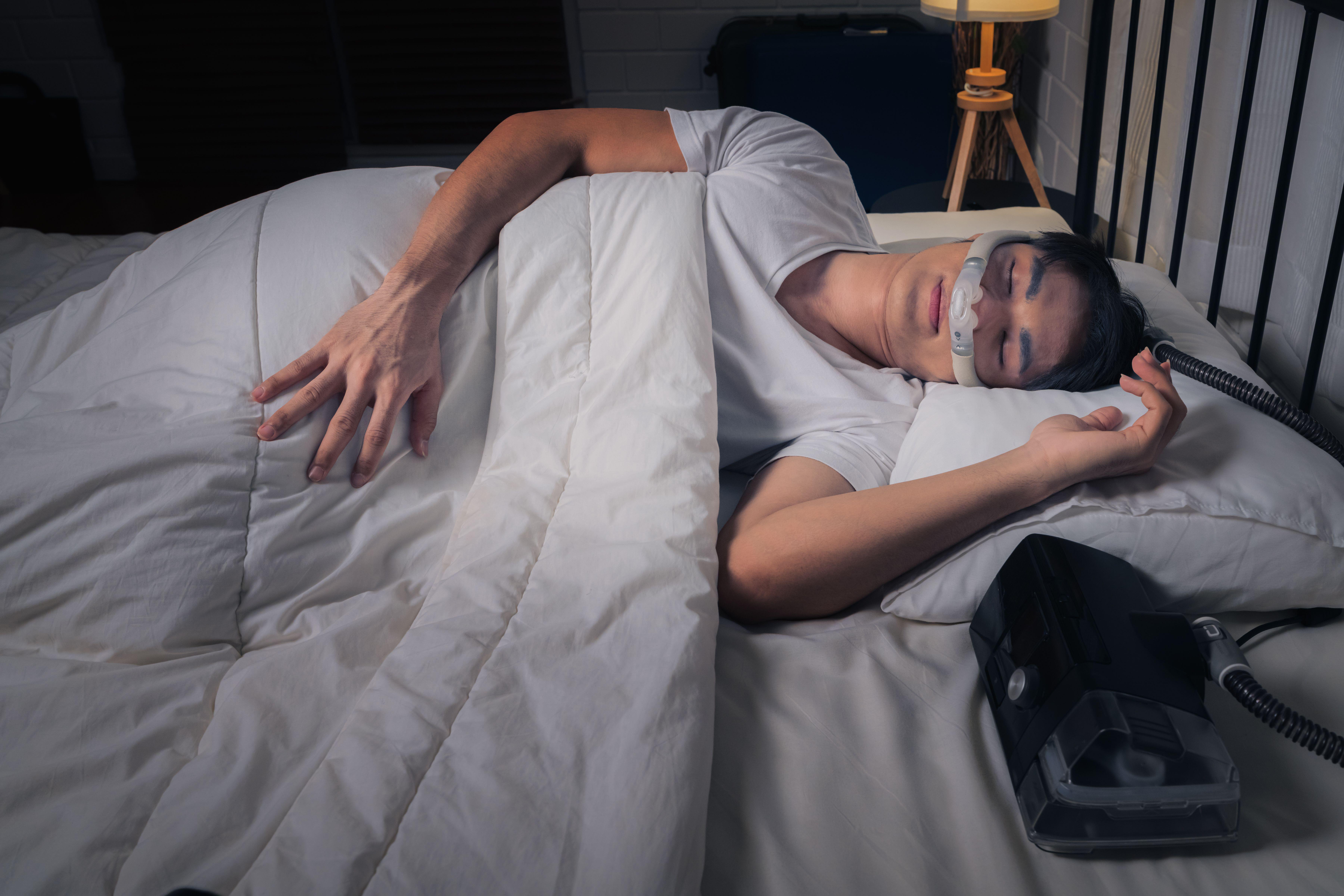
Continuous Positive Airway Pressure (CPAP) therapy is a common and effective treatment option.
Dr Garley explains its mechanism: "It’s a small box that sits on your bedside table that blows low pressure air through a tube that leads to a mask which sits either over your nose or over your mouth and nose."
This gentle pressure keeps the airway open, allowing for free breathing and deeper sleep.
For more severe cases, surgery or advanced technologies are available.
Dr Cheong mentions hypoglossal nerve implants, such as the Genio Nyxoah device, which stimulate the hypoglossal nerve to move the tongue forward and open the airway. Operations on the palate at the back of the throat can also be performed to widen the airway.