
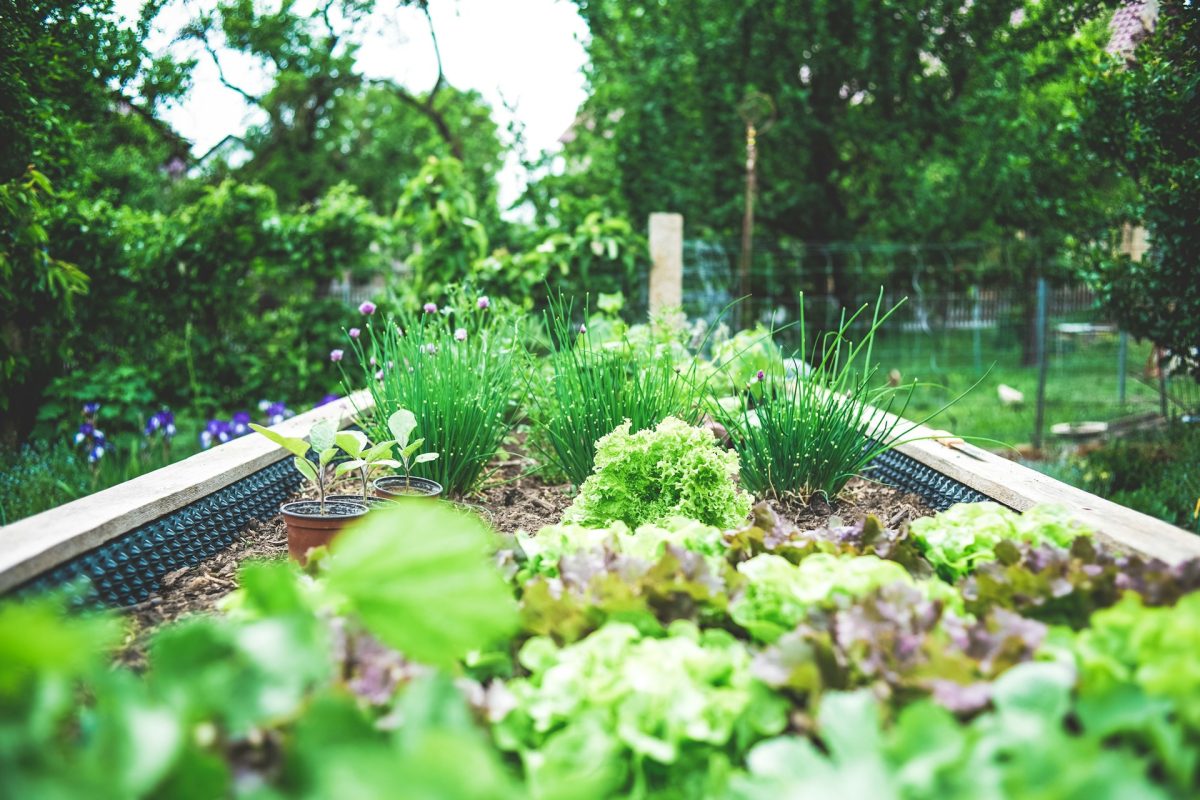
A lush, carefully designed garden can turn an ordinary house into the kind of place that makes people slow down as they drive by. Flowering trees frame the entryway, layered shrubs soften the edges, and a healthy lawn stretches out like a green welcome mat. It looks good. It feels good. It even smells good in the right season. But here’s the question that rarely gets asked while planting hydrangeas or laying pavers: does all that beauty push property value up enough to nudge property taxes higher too?
The answer carries more nuance than most people expect. Landscaping can increase home value. Property taxes can rise when assessed value climbs. But the relationship between the two depends on what gets built, how local assessors evaluate property, and whether improvements count as permanent changes.

Curb Appeal Isn’t Just About Compliments
Real estate professionals consistently point to curb appeal as one of the strongest influences on a buyer’s first impression. Organizations like the National Association of Realtors have reported that landscaping projects often rank high in terms of buyer appeal and potential return on investment. Clean design, healthy plants, and thoughtful outdoor spaces can absolutely make a home stand out in a competitive market.
Landscaping can increase perceived value because it frames the property as well maintained. Mature trees offer shade and energy savings. Defined garden beds suggest care and pride. Outdoor living areas, such as patios and decks, extend usable space beyond the interior walls. Buyers often calculate emotional value alongside square footage, and a striking yard taps into that emotional equation in a powerful way.
However, perceived value and assessed value do not always move in perfect sync. A buyer might willingly pay more for a home with polished landscaping, but a tax assessor evaluates property based on local guidelines and comparable sales data. The two worlds overlap, yet they do not mirror each other step for step.
What Actually Triggers a Higher Property Assessment?
Property taxes depend on assessed value, which local governments determine through periodic evaluations. Assessors review recent sales of similar homes, physical characteristics of the property, and any documented improvements. Permanent structures usually carry more weight than cosmetic upgrades.
A new patio built on a permanent foundation can count as an improvement. A detached gazebo anchored to concrete footings can count as well. An in-ground swimming pool almost always counts. These features increase the functional square footage or utility of the property, so assessors often factor them into the new valuation.

On the other hand, seasonal flowers, container gardens, and even extensive plantings rarely trigger reassessment by themselves. Plants grow and change. Lawns fluctuate. Unless landscaping includes structural elements that require permits, many local tax authorities do not adjust assessments based solely on garden design. The key lies in permanence. If the improvement attaches to the land in a lasting, structural way, assessors may include it. If it remains flexible and purely aesthetic, it usually stays outside the formal calculation.
The Difference Between Market Value and Taxable Value
Market value reflects what a buyer would likely pay in the current housing climate. Taxable value reflects what a local authority determines for property tax purposes. While those numbers often relate to each other, they do not always match perfectly.
A beautifully landscaped yard can push market value higher because buyers respond emotionally to visual appeal. In competitive neighborhoods, strong outdoor presentation can tip the scale in favor of one property over another with similar interior features. In that scenario, the garden functions as a powerful marketing tool.
Taxable value, however, may lag behind market value depending on how often assessments occur and how aggressively local governments adjust valuations. Some states limit annual increases unless a property changes ownership. Others allow more frequent adjustments. A homeowner might enjoy an increase in resale value without seeing an immediate jump in taxes, especially if no structural additions took place.
This gap explains why landscaping often ranks as a relatively safe improvement compared to full-scale additions. A new bedroom or finished basement almost guarantees a higher assessment. Thoughtful plantings and design upgrades might not.
High-End Outdoor Features: Where Beauty Meets Bureaucracy
Outdoor kitchens, elaborate retaining walls, and custom water features can blur the line between garden and construction project. These features often require permits, inspections, and significant investment. Once permits enter the picture, assessors typically take notice.
An outdoor kitchen with built-in grills, plumbing, and permanent counters adds functional living space. A large retaining wall alters the structure and utility of the land. An in-ground pool, especially one with surrounding hardscape, clearly increases recreational value. In many areas, these additions raise assessed value because they represent substantial, lasting enhancements.
Before committing to high-end outdoor builds, homeowners benefit from asking three practical questions. Does this project require a permit? Will this structure remain permanently attached to the property? How does the local assessor treat similar improvements? A quick phone call to the assessor’s office can provide clarity and prevent surprise tax bills down the line.
That does not mean homeowners should avoid ambitious outdoor projects. It simply means they should weigh long-term costs alongside enjoyment and resale potential.
Smart Landscaping That Boosts Value Without Spiking Taxes
Strategic choices can elevate a property’s appeal without automatically raising assessed value. Native plants often thrive with less maintenance and water, which appeals to environmentally conscious buyers. Healthy trees can lower cooling costs by providing shade, and energy efficiency can strengthen overall property desirability.
Defined walkways, refreshed mulch, trimmed hedges, and seasonal color can dramatically improve appearance without triggering permits or structural changes. These upgrades often cost less than major builds and still deliver strong visual impact.
Regular maintenance plays an equally important role. Overgrown shrubs and patchy lawns can drag down perceived value, even if the home itself remains in great shape. Consistent care protects the investment and preserves curb appeal over time. While maintenance does not directly influence tax assessment in most cases, it safeguards market value.
Homeowners who plan to sell within a few years often focus on visible, high-impact updates rather than structural yard additions. Clean lines, balanced plantings, and functional outdoor seating areas create inviting spaces that buyers remember.
When Rising Value Works in Your Favor
An increase in property value does not automatically spell trouble. Higher value builds equity. Equity opens doors to refinancing options, home equity loans, and stronger resale positions. A well-designed garden can contribute to that upward trend.
If taxes rise modestly because assessed value increases, that shift may reflect overall neighborhood growth rather than one flower bed or tree. In many areas, broader market trends drive assessments more than individual landscaping choices.
Homeowners who feel that a new assessment overshoots fair market value can usually appeal. Local governments provide formal processes for challenging property tax assessments. Documenting comparable sales and gathering professional appraisals can support that effort if needed.
Investment or Indulgence?
A garden can serve as both a financial strategy and a personal retreat. It can raise market value, enhance daily living, and potentially nudge property taxes upward if improvements include permanent structures. The balance depends on design choices and local regulations.
Landscaping that focuses on aesthetics, sustainability, and maintenance often boosts resale appeal without dramatically affecting assessed value. Large structural additions tend to attract closer scrutiny from tax authorities. Before breaking ground, homeowners should research local assessment policies, review permit requirements, and consider long-term goals.
So when stepping back to admire a freshly planted yard or a newly finished patio, one question deserves attention: does this upgrade align with long-term plans for the property, or does it quietly reshape the financial picture in ways that require a second look? Let’s talk about your garden and home value in our comments.
You May Also Like…
Stormwater Experts Say This Landscaping Trend Is Flooding Basements
The Garden Features That Could Increase Your Home’s Value for Under $50
10 Home Improvement Projects to Increase Your Home’s Value
A Decorative Garden Fence Could Violate Local Wildlife Protection Laws
This Budget-Friendly Mulch Is Actually Acidifying Your Soil
The post Is Your Garden Raising Your Property Value (And Taxes)? appeared first on Frugal Gardening.







