Get all your news in one place.
100’s of premium titles.
One app.
Start reading
The Times of India
The Times of India
Lifestyle
TIMESOFINDIA.COM

Is the new COVID strain JN.1 causing pneumonia?

The features of the virus, your immune system, and individual health problems all play a role in the link between a particular COVID-19 variation and its risk of causing pneumonia or other serious respiratory consequences. Pneumonia is a known side effect of severe instances, regardless of the specific variant of COVID-19 present.

The new COVID strain JN.1

This is a new COVID strain, referred to as the JN.1 variant. It is a lineage of the Omicron variant, with a single spike mutation compared to the previous strain, known as the Omicron variant. Initial reports and the scientific community suggest that this strain is as transmissible as the Omicron variant—highly transmissible—but with mild symptoms.

Major symptoms caused by this COVID strain

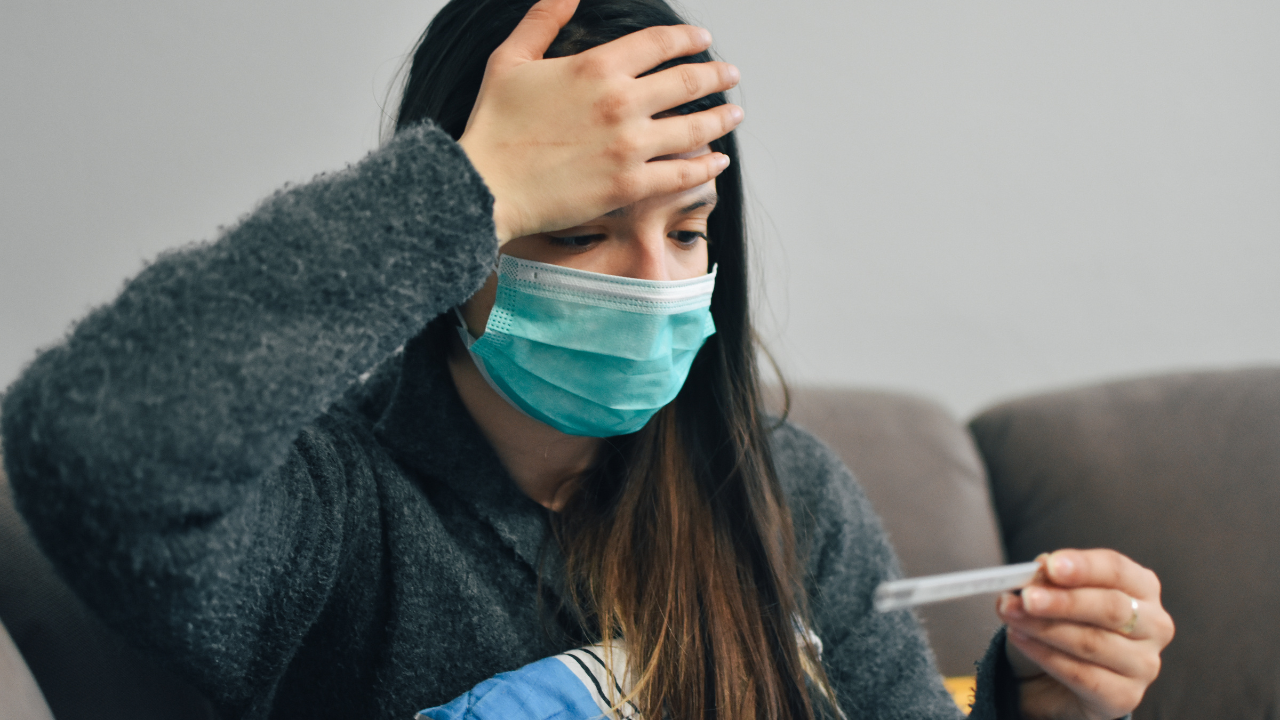
Dr. Piyush Goel, Consultant Pulmonology at Manipal Hospital, Gurugram, explains, “Usual symptoms include cough, cold, sore throat, hoarseness in voice, and mild fever, which typically last for four to five days, with gradual improvement. In some cases, gastrointestinal infections are also present, but there are very few cases of pneumonia reported.

Instances are coming from Singapore, China, and the USA, with most cases involving immune-suppressed and elderly patients with underlying chronic diseases. There’s no need to be alarmed.”

The takeaway

The primary concern is the high transmissibility, for which precautions as previously prescribed are essential: When in crowded indoor areas, make sure you wear a respirator or face mask of the highest calibre, such as a N95 or KN95, hand washing on a regular basis is still a crucial preventive measure, get medical help right away if you suffer any COVID-19 symptoms, such as fever, coughing, or trouble breathing.

Read also: Infected by COVID-19 in the past 3 waves? Read this

Individuals with diabetes, kidney, lung, and heart diseases should undergo regular checkups, and the only precaution we can take is to avoid parties and ceremonies if we have a higher risk of contracting the disease. Stay informed about any updates regarding the JN.1 variant and heed the advice of health authorities such as the World Health Organization (WHO) and the Centers for Disease Control (CDC).

Sign up to read this article
Read news from 100’s of titles, curated specifically for you.
Already a member? Sign in here
Related Stories
Top stories on inkl right now
One subscription that gives you access to news from hundreds of sites
Already a member? Sign in here
Our Picks
Fourteen days free
Download the app
One app. One membership.
100+ trusted global sources.