
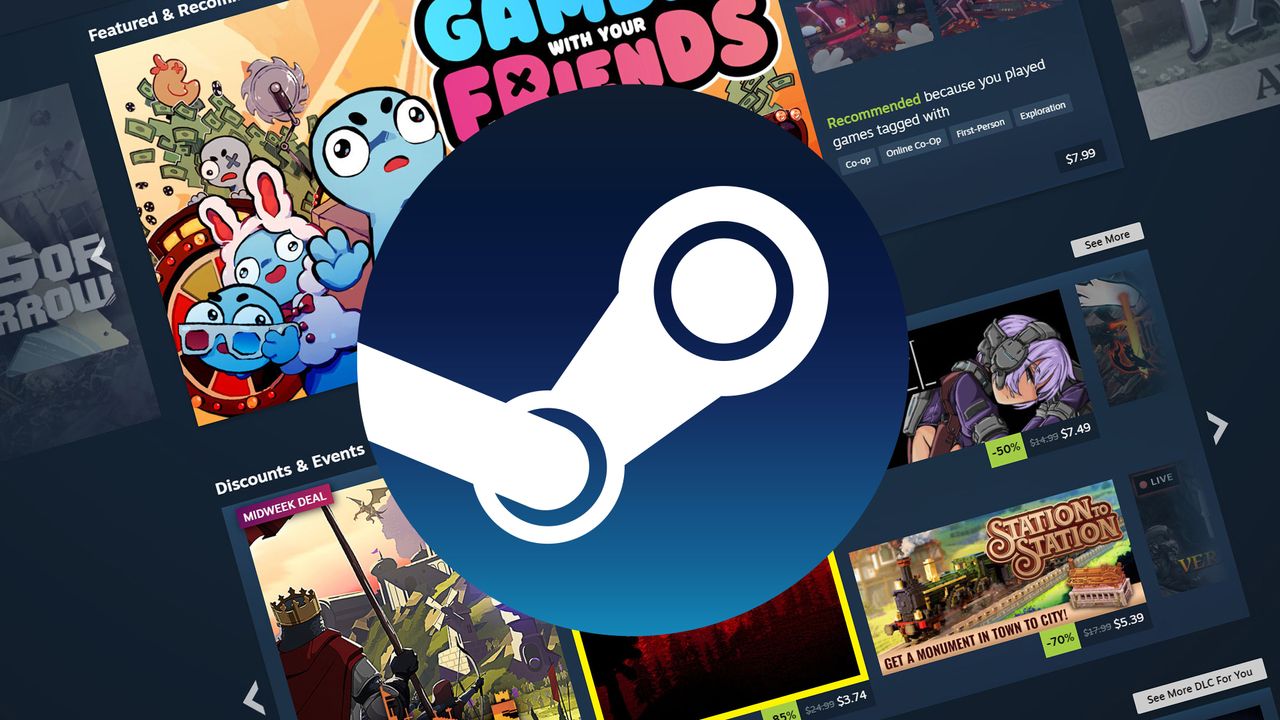
Steam has had a face lift. The new UI redesign is intended to create a more modern and cohesive look on Valve's game distribution platform. It's cleaner, less cluttered and introduces more consistency across devices, including the Steam Deck (see our pick of the best retro handheld game consoles), but the revamp is dividing opinion.
The redesign affects how gamers experience Steam, but it could also have an impact on developers, particularly on indie developers who rely on the platform to gain visibility for their games (also see our guide to the best games consoles if you want a break from the PC).
Valve refreshes the Steam Store home page - Wider, higher res images, new personalized sections and more https://t.co/JfkMhf6dIA pic.twitter.com/PWLVJ7dXIHJune 4, 2026
The most immediately noticeable changes are superficial: the wider layout with bigger game artwork. As well as looking more modern, this has some practical benefits for those browsing on desktop setups with large monitors.
For developers, there's both a win and a lose with the new design.
What's causing concern for indie developers is a change to the Popular Upcoming section, where the bar to entry has been raised, making it much less likely that small indie games will appear.
Steam just made a change that's really gonna hurt future indie games.The Popular Upcoming page used to list games chronologically by release time. As long as you had enough wishlists to make the cut (~6k to 7k), you'd get some time at the top of the list for people to discover… pic.twitter.com/VSdD3ZJO8iJune 4, 2026
Steam's Popular Upcoming section is now focused much more squarely on major releases. The definition of "popular" appears to have been narrowed from games with around 7,000 wishlists to those with around 80,000. The section now lists games algorithmically rather than chronologically, with bigger games featuring even if their release is a couple of weeks away.
That's disheartening for indie developers who saw that 7,000 number as a significant milestone that could give their title a boost. Now the number becomes meaningless.
"Feeling very lucky our game's early access release barely made it out before this changed," the developer RegisKillbin wrote on X. "It was worth probably 1k wishlists for us, and we had some really unfortunate timing/positioning too. It can be worth thousands of wishlists and sales for smaller games."
Steam seems to have decided to focus this section on larger games that have the fame or marketing budget to build massive wishlist totals. However, many users will appreciate the logic behind this decision. It might stop some genuinely great indie gems from getting discovered, but it also filters out the slop that some users say was making the section close to useless.
"Sounds like Steam figured out a way so Popular Upcoming doesn't look like a $0.99 mobile game bargain bin," one person comments.
"I used to use the Steam new releases queue religiously. It was so good for quickly finding new games that didn't have much reach otherwise. Around 2024/2025, it suddenly only started showing FREE games, which is now overrun by free item spam games. Killed it so bad," another user agrees.
Happily, it's not all bad news for indie developers. The Popular Upcoming section may now be a long way out of reach for many, but another door has opened. Valve has added a new Personal Calendar on the Steam home page, recommending recent and upcoming releases based on a user's gaming habits, wishlist and interests. This is something people have been calling for a long time and should make it easier for players to discover new games that meet their personal tastes.
Instead of seeing what's popular across the entire platform, here players will be pointed in the direction of the games they're most likely to enjoy. Provided the algorithm works, that could lead to a boost in actual sales even if views decline.
"PU might be getting harder, but it seems Valve is trying to match people to games. I'd rather get 300 WL from people that are curated to look at my game than 2,000 WL from people who will never convert," one developer writes on X.
"The Personal Calendar has more visibility than the Popular Upcoming list, and it's algorithmic so if Steam does this right, your game will be showed to people that might like it even if you don't have tons of wishlists!" another user agreed.
What do you think of the UI redesign. Is it an improvement for gamers and developers, or will it make some games harder to find?