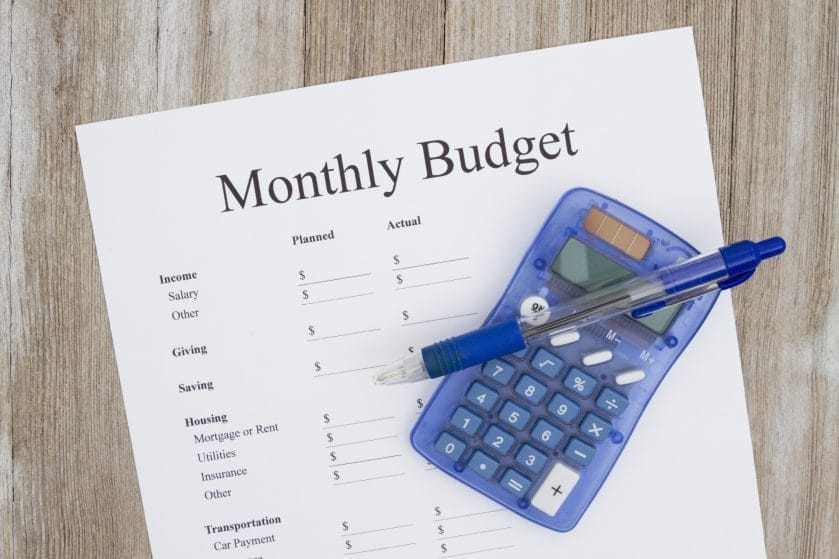
For decades, financial planners identified housing as the single largest line item in any household budget. The rule of thumb stated that thirty percent of income should go to rent or a mortgage, while food costs remained a distant secondary concern. However, the economic landscape of 2026 has upended this traditional hierarchy for millions of Americans. While rent prices have certainly climbed, they have done so with a slow, predictable lethargy compared to the rapid, volatile spikes seen in the grocery aisles. For many families, the cumulative stress of feeding a household is beginning to rival the financial burden of housing it, creating a unique economic anxiety that hits the wallet multiple times a week.
The Stability of the Lease versus the Chaos of the Cart
The primary difference between these two expenses lies in their predictability. A lease agreement locks in housing costs for twelve months, providing a shield against immediate market fluctuations. If the housing market explodes in July, a tenant with a lease signed in January remains unaffected until renewal time. Grocery prices offer no such protection. Food costs are exposed to real-time market forces, including weather events, supply chain disruptions, and geopolitical conflicts. A drought in California or a freeze in Florida transmits price hikes to the consumer almost instantly. This volatility transforms the grocery budget into a moving target, making it significantly harder to manage than the static, automated deduction of a rent payment.
The Frequency of Financial Pain
Psychology plays a massive role in how we perceive inflation. You typically pay rent once a month, often via an automatic transfer that happens in the background. It is a singular, albeit large, painful event. Grocery shopping, conversely, is a recurring battle. Most households visit the supermarket or convenience store four to eight times a month. This high frequency means consumers confront inflation repeatedly, reinforcing the feeling of financial erosion. Every trip to the store serves as a fresh reminder that a dollar buys less than it did last year. This “frequency bias” makes grocery inflation feel more aggressive and damaging than housing inflation, even if the absolute dollar increase in rent is technically higher.
Shrinkflation and the Value Proposition
Renters generally receive the same square footage and amenities for their money, even if the price rises. The apartment does not get smaller in the middle of the lease. The grocery store operates differently due to shrinkflation. Manufacturers maintain sticker prices while subtly reducing package sizes, meaning consumers pay the same amount for fewer calories. This erosion of value forces shoppers to buy more units to feed the same number of people, stealthily inflating the true cost of living. The grocery bill expands not just because prices rise, but because the products themselves are vanishing.
The Illusion of Control

Perhaps the most significant factor is that food is often the only flexible variable in a tight budget. You cannot negotiate your rent mid-lease, nor can you easily lower your utility rates. The grocery bill stands alone as the one major expense category that a household can theoretically control. Consequently, when the budget feels tight, anxiety intensifies around food. Families feel the pressure to cut coupons, switch brands, or skip meals because the grocery store is the only place where they have agency. This hyper-focus makes grocery inflation feel like the primary antagonist in the monthly financial story, regardless of what the rent check says.
The Cumulative Impact
While a hundred-dollar increase in rent is a massive blow, the slow creep of grocery prices is death by a thousand cuts. An extra twenty dollars here and ten dollars there across eight shopping trips adds up to hundreds of dollars in lost disposable income. For large families, the grocery bill has likely doubled in the last five years, potentially matching a mortgage payment in lower-cost-of-living areas.
Reassessing the Budget Hierarchy
The old rules of personal finance need an update. Food is no longer a minor variable expense; it has become a major, volatile fixed cost that demands the same level of strategic planning as housing. Recognizing this shift is the first step toward regaining control over the monthly ledger.
What to Read Next
How Inflation Is Still Driving Grocery Costs Higher, According to Reports
How to Spot Real Grocery Discounts Amid Rising Inflation — Expert Tips
Food Inflation Pressure Leads Grocers To Revamp Weekly Ad Strategies
8 Ways Inflation Has Affected Retailers Sales
Why Holiday Grocery Prices Keep Swinging Even After Inflation Cooled
The post Is Grocery Inflation Affecting Your Monthly Budget More Than Rent? appeared first on Grocery Coupon Guide.