
Get all your news in one place.
100's of premium titles.
One app.
Start reading
The Conversation
The Conversation
Jaafar Jotheri, Professor of Landscape Archaeology, Department of Archaeology, University of Al-Qadisiyah; Durham University

Iraq’s archaeological discoveries have shaped understanding of human civilisation – but its scientists have been sidelined

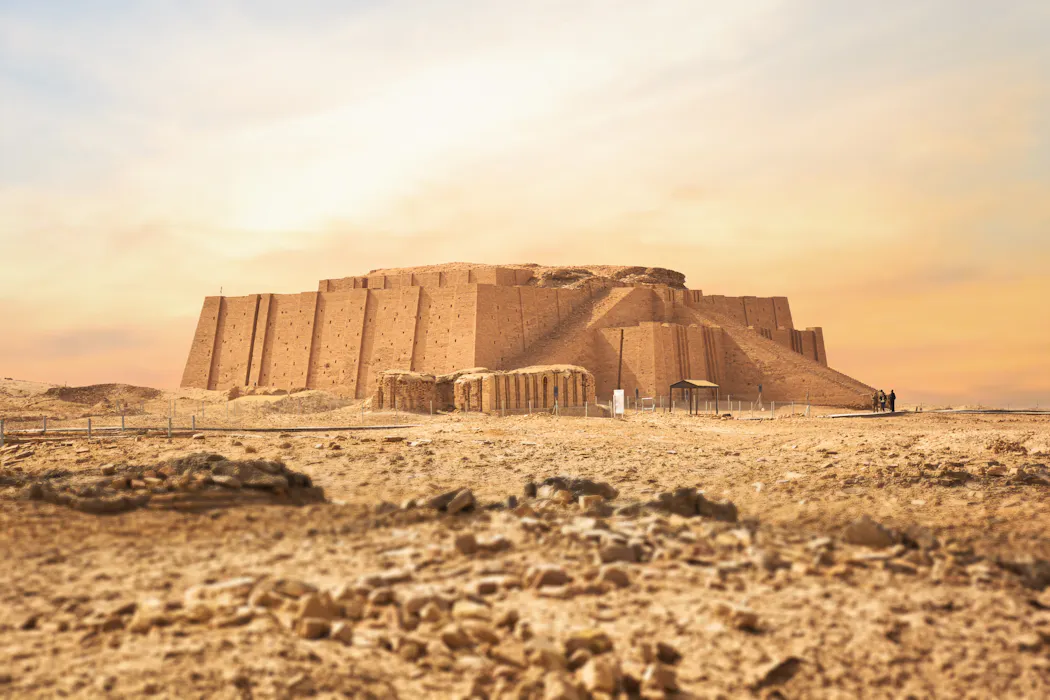
The early bronze age (21st century BC) Ziggurat of Ur in southern Iraq. Abbas Al Yasiri/Shutterstock

In recent years, archaeologists from around the world have marked the centenaries of some of Iraq’s most influential archaeological discoveries.

The excavation of the ancient city of Ur, for example, transformed understanding of early urban life, long-distance trade, royal tombs and burial customs. There has also been a century of research into the Jemdet Nasr period – pivotal in the development of some of the world’s earliest administrative systems and forms of writing.

Sign up to read this article
Read news from 100's of titles, curated specifically for you.
Already a member? Sign in here
Related Stories
Top stories on inkl right now
One subscription that gives you access to news from hundreds of sites
Already a member? Sign in here
Our Picks
Fourteen days free
Download the app
One app. One membership.
100+ trusted global sources.




