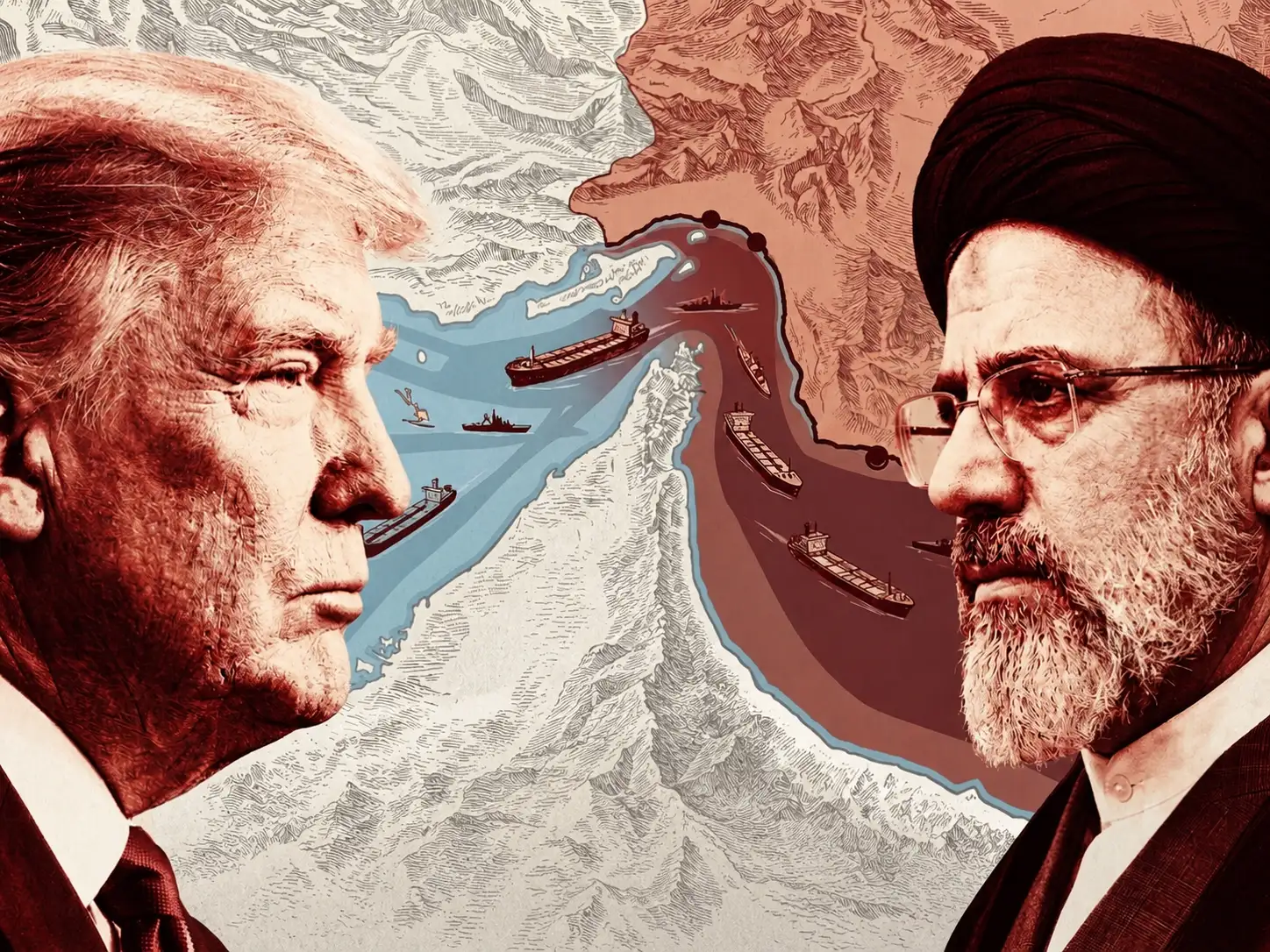
The latest attack on a commercial vessel near the Strait of Hormuz can be seen as an aberration. But it may also turn out to be the most revealing event since Washington and Tehran agreed to a framework aimed at ending months of conflict. The war may have paused, oil prices may have retreated from their peaks and shipping has started moving again, but one strike on a vessel can be enough to remind markets that the central problem has not been solved.
The assumption after the US-Iran framework agreement was that the risk premium embedded in energy markets would steadily fade as traffic returned to normal. What the latest attack demonstrates is something different. The premium is still there. It has simply changed from fears of outright war to fears of prolonged uncertainty. Investors are no longer pricing in a regional conflagration. But they might begin to price in a future where Iran can repeatedly inject disruption into one of the world's most important maritime arteries whenever negotiations hit a difficult patch.