The conflict involving Iran, the United States and Israel escalated sharply Friday, with hostilities spreading across the Gulf and raising fears of a sustained disruption to global energy markets. Iran launched a wave of missile and drone strikes targeting critical oil and gas infrastructure in Kuwait, Qatar, Saudi Arabia and the United Arab Emirates, signaling a shift toward economic warfare aimed at energy supply chains. The widening scope of attacks has heightened concerns that the conflict is evolving into a broader regional war with global economic consequences.
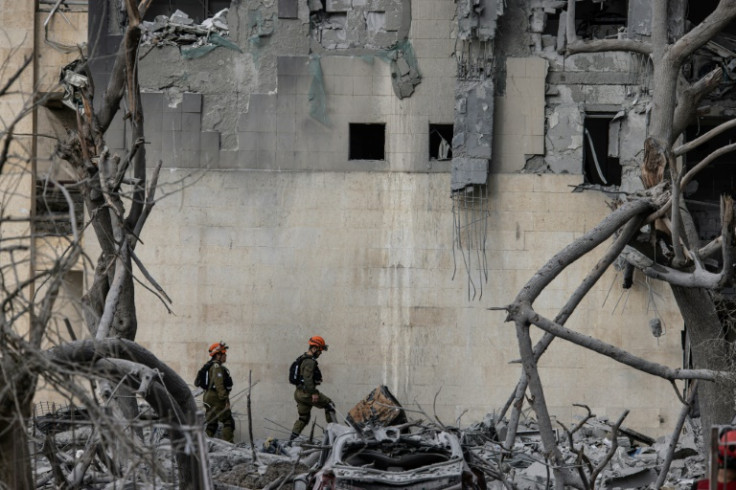
Iran's latest offensive included a strike on Kuwait's Mina al-Ahmadi refinery, which triggered fires and forced fresh shutdowns affecting oil output, according to Associated Press. The outlet reported that multiple energy facilities across the Gulf region were either damaged or forced to halt operations as a precaution, compounding pressure on already strained supply routes. In parallel, Israeli forces intensified their campaign, striking Iran's South Pars gas field, one of the world's largest, and carrying out attacks in Tehran that caused large explosions and infrastructure damage. Interceptions of incoming missiles and drones were reported over Dubai, Bahrain and parts of Saudi Arabia, underscoring the expanding geographic reach of the conflict.

The United States has responded by significantly expanding its military operations, with a primary focus on securing the Strait of Hormuz, a vital artery for global oil shipments that has been severely disrupted by Iranian actions. US warplanes and helicopters have begun targeting Iranian naval vessels, missile systems and drone launch sites in and around the Gulf, in what officials describe as a coordinated effort to restore safe passage for commercial shipping. The operation could take weeks to stabilize the waterway, as reported by The Wall Street Journal, highlighting the scale and complexity of the unfolding military campaign.
The human and economic toll of the conflict is rising rapidly as the fighting intensifies. Casualties have climbed into the thousands across Iran and affected regions, with civilians bearing a significant share of the impact. More than a million people have been displaced, adding to mounting humanitarian concerns. At the same time, global oil prices have surged past $100 per barrel, triggering volatility across financial markets and raising fears of renewed inflation and supply shortages. The disruption to energy infrastructure and shipping routes has amplified worries about a prolonged shock to the global economy.
US President Donald Trump warned that Washington would respond with "devastating retaliation" if Iran escalates further, while indicating that there are no immediate plans to deploy American ground troops. The administration is, however, preparing tens of billions of dollars in additional military spending and support for regional allies, signaling a deeper and potentially prolonged involvement in the conflict. The broader strategy appears aimed at deterring further Iranian attacks while maintaining pressure on key military and economic targets, according to The Times.
Analysts warn that the situation remains highly volatile, with the risk of further escalation involving additional regional actors. The concentration of attacks on energy infrastructure and critical shipping lanes has turned the conflict into a major test for global supply chains, particularly as the Strait of Hormuz remains a central flashpoint. Any prolonged disruption in the region could have cascading effects on fuel prices, trade flows and economic stability worldwide, making the coming days critical in determining whether the conflict can be contained or spirals further.