Get all your news in one place.
100's of premium titles.
One app.
Start reading
International Business Times
World
IBT Newsroom

Iran War Escalates As Missiles Hit Israel, Talks Denied And Global Energy Shock Deepens

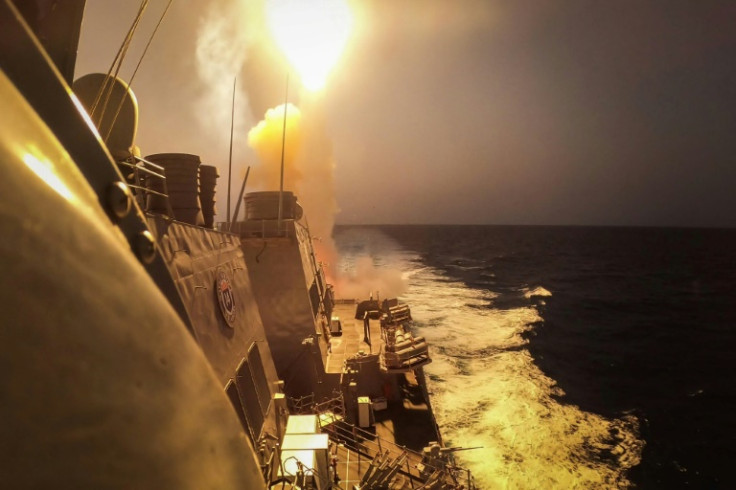
Missile strikes and air raids intensified Tuesday across the Middle East, with Iran launching fresh attacks on Israeli cities and Israel responding with heavy strikes on Tehran, as the conflict deepens into a widening regional war with no clear path to de-escalation. Iranian missiles struck central Israel, including the Tel Aviv area, injuring civilians and causing significant damage, while Israeli forces continued targeting Iranian military infrastructure and proxy positions across the region, according to reporting by the Associated Press.

The violence is no longer limited to the two countries. Israeli strikes on Hezbollah-linked targets in Beirut have killed more than 1,000 people and displaced roughly a million, while clashes and strikes linked to Iran-backed groups have spread into Iraq and across Gulf states, underscoring the scale of the escalation, Associated Press reported. The conflict, which began with U.S.-Israeli strikes on Iran in late February, has now evolved into a multi-front war involving state and proxy forces across the region.
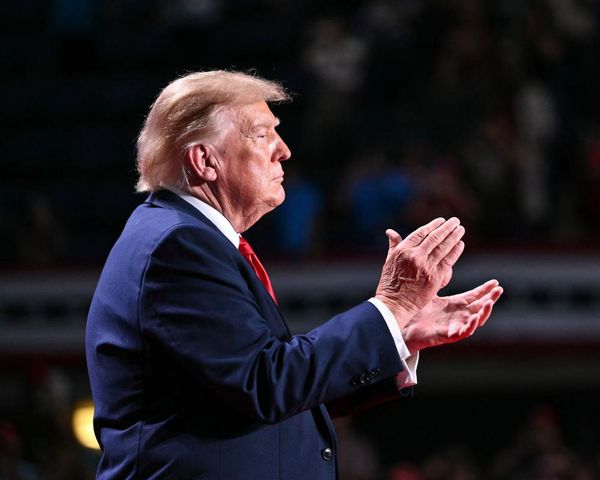
Confusion around diplomacy is adding to the volatility. President Donald Trump has said the United States is engaged in "productive" talks with Iran and has paused some planned strikes, but Tehran has firmly denied any negotiations are taking place, calling such claims "fake news," according to Reuters. While some officials point to possible backchannel efforts through intermediaries, there is no confirmed diplomatic process and no sign of a ceasefire as fighting continues.

At the same time, the war is triggering a rapidly escalating global energy crisis. Iran has disrupted shipping through the Strait of Hormuz, a critical oil transit route, sending prices higher and forcing countries to scramble for supplies, according The Guardian. Fuel shortages and emergency measures are already being reported in multiple countries, with governments releasing reserves, cutting energy use and, in some cases, introducing rationing as the disruption ripples through global markets.

The economic fallout is building quickly. Rising energy costs are pushing up manufacturing expenses, tightening supply chains and increasing inflation risks worldwide, while financial markets swing sharply in response to each new development, The Guardian reported. Analysts warn that even a temporary disruption in Gulf shipping could have prolonged consequences for global growth.

Despite sustained U.S. and Israeli strikes, Iran continues to launch regular missile barrages, highlighting the limits of military pressure and raising the prospect of a prolonged conflict. Israeli authorities say at least 16 people have been killed and more than 1,500 treated for injuries since the war began, according to the Wall Street Journal. With both sides continuing to escalate and diplomacy stalled, the conflict is rapidly shifting from a regional confrontation into a global crisis affecting energy, markets and security far beyond the Middle East.

Sign up to read this article
Read news from 100's of titles, curated specifically for you.
Already a member? Sign in here
Related Stories
Top stories on inkl right now
One subscription that gives you access to news from hundreds of sites
Already a member? Sign in here
Our Picks
Fourteen days free
Download the app
One app. One membership.
100+ trusted global sources.