Get all your news in one place.
100's of premium titles.
One app.
Start reading
The Economic Times
The Economic Times

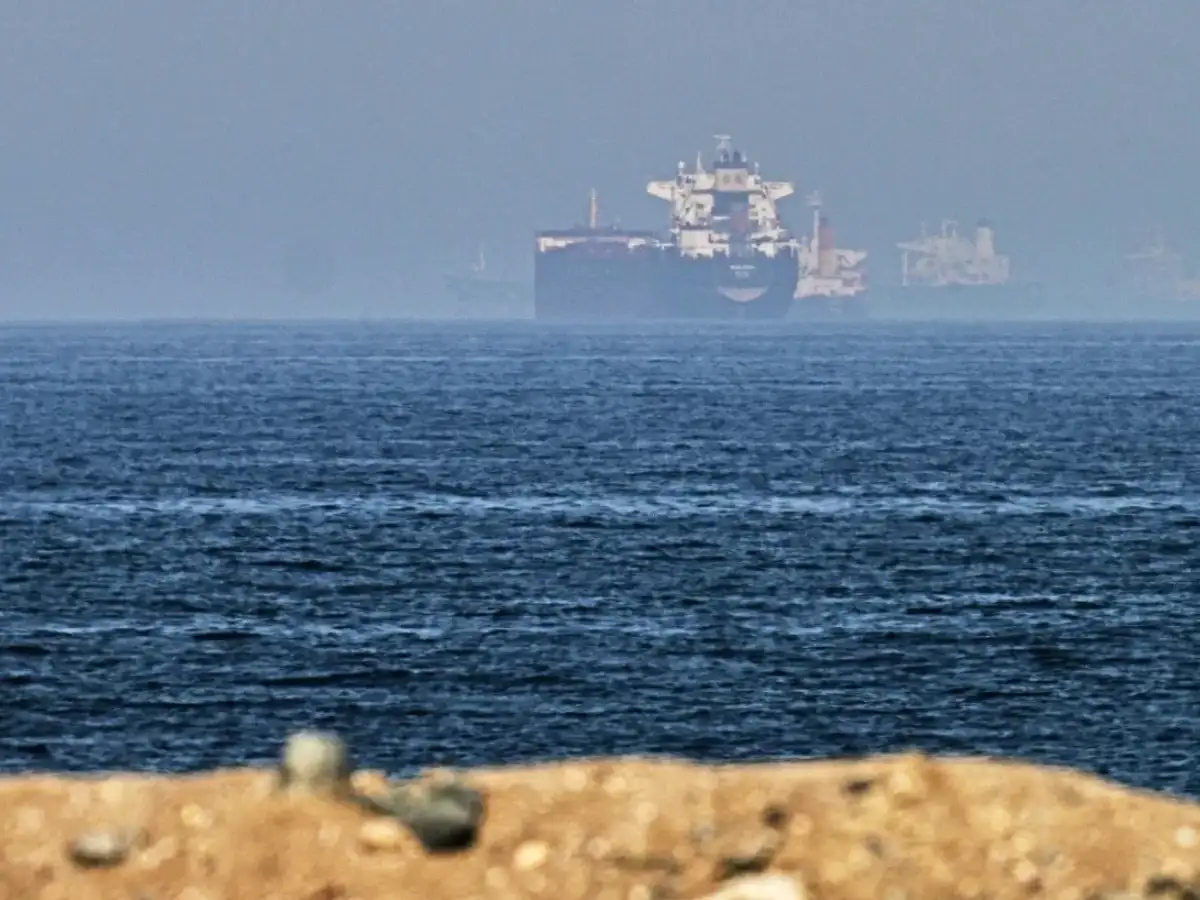
Iran says it controls Hormuz, but the ships tell a different story

The fight for control of the Strait of Hormuz has become a central front in the Iran war, with both Tehran and Washington claiming the upper hand, even as shipping data suggests the picture on the water tells a different story, according to TOI.

More than 80% of vessels transiting the strait over the past two weeks used the Omani route, a UN-authorised shipping channel that Iran opposes, according to Kpler ship-tracking data cited by TOI.

Also read: 'We will correct delusions of this deluded man': Iran hits back at Trump's assertion over Hormuz as 'NEW U.S. Territory'

The figure marks a sharp reversal from just a month ago, when the same tracker recorded virtually no traffic along that route.

Traffic slows amid uncertainty

Shipping through the strait slowed on Tuesday, with most shipowners still avoiding the waterway in the absence of clear signals on when normal transit might resume.

Iran, which has declared the strait under its control, has attacked dozens of ships attempting to pass along Oman's northern coast, yet most vessels have continued crossing anyway, relying on protection from US naval forces despite the risk.

The expiration of the US-Iran Memorandum of Understanding this week technically restored Iran's ability to charge tolls on ships using the strait. However, Kpler data indicates Tehran has been unable to actually collect them, a sharp contrast to the spring, when it did.

Tankers going dark

Kuwait, Saudi Arabia and the UAE have chartered Very Large Crude Carriers to move oil out of the Persian Gulf through the strait, transferring the crude to customer tankers once clear of the danger zone in the Gulf of Oman, oil analyst Andy Lipow told TOI.

To dodge Iranian attacks, many tankers have switched off their transponders for weeks at a stretch, so-called "dark traffic" that can evade trackers like Kpler, though satellite data can still catch some of it. The US, meanwhile, has deployed a heavy naval presence in the strait and reports oil-shipping volumes well above earlier estimates from conventional tracking services.

Competing claims, unclear outcome

President Donald Trump said Monday the US now has "total control over the strait" a claim he has repeated through the conflict. But continued Iranian attacks, combined with oil flows still running below pre-war levels, suggest Washington's control isn't complete either, per the report.

Also read: Trump posts map showing Strait of Hormuz as US territory

At the same time, if tankers really are moving as much oil as the US claims, it would suggest Iran's ability to deter shipping has weakened compared with a month or two ago.

Separately, Oman and Iran are holding talks aimed at restoring freedom of navigation through the strait without US involvement, talks that could reshape both oil traffic and the balance of control, though their outcome remains uncertain, TOI reported.

(With inputs from TOI)

Sign up to read this article
Read news from 100's of titles, curated specifically for you.
Already a member? Sign in here
Related Stories
Top stories on inkl right now
One subscription that gives you access to news from hundreds of sites
Already a member? Sign in here
Our Picks
Fourteen days free
Download the app
One app. One membership.
100+ trusted global sources.