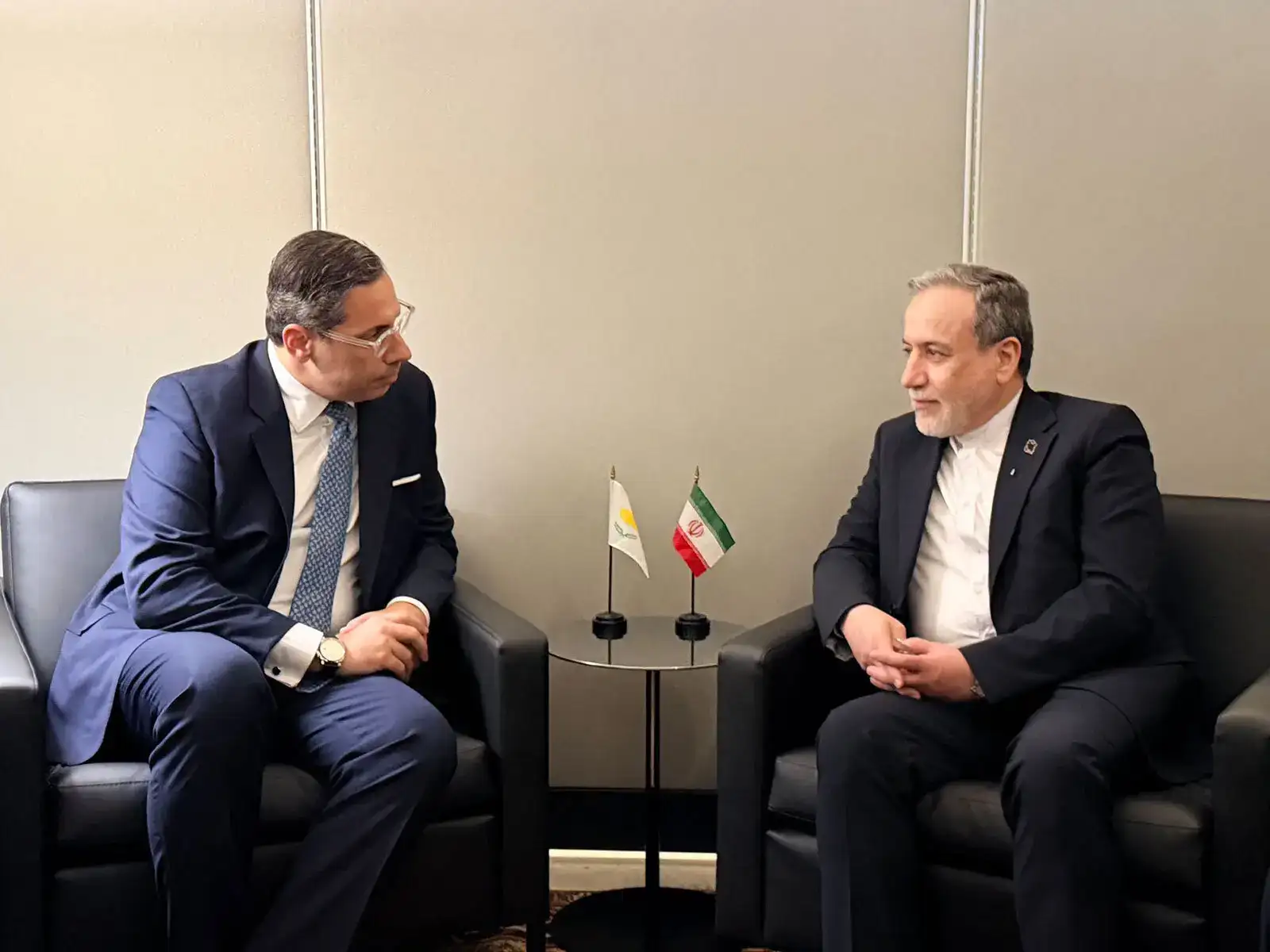
New York: Iran's foreign Minister Syed Abbas Aragchi says that Iran has offered a seven-day plan to end the conflict in West Asia, reported New York Times.
According to the report, the plan would also seek to reopen the Strait of Hormuz and then begin comprehensive talks on Iran's nuclear program.
Araghchi, told reporters at the United Nations General Assembly that the proposal was similar to the MoU reached between US and Iran in June this year.
Also read: US, Iran explore phased deal to reopen Hormuz, lift economic blockade: Report
"We have introduced a plan to the United States through the intermediators that if certain conditions are met, the Strait of Hormuz would be open on the end of the seventh day and talks would restart...it would be better, if a deal was reached before the U.S. midterm elections," he was quoted as saying by NYT.
Earlier, in his meeting with German Foreign Minister Johann Wadephul, Araghchi stressed that the Islamic Republic of Iran has conveyed to the American side its reasonable conditions and requirements for advancing diplomacy, emphasizing that restoring security to the region requires an end to US interventionist and aggressive actions against Iran.
The Iranian foreign minister underscored Iran's commitment to pursuing diplomacy regarding its peaceful nuclear program, stressing that no party can ignore Iran's good faith in the negotiations, as well as the US and Israeli military aggression against Iran in the midst of the talks, while portraying Iran as responsible for insecurity in the Strait of Hormuz.
Araghchi further criticized European countries, including Germany, for ignoring US violations of international law and acts of bullying. He outlined Tehran's positions on international developments, stressing that restoring confidence in the United Nations requires all countries to adhere to the principles and purposes of the UN Charter and international law.
Meanwhile, in an interview with Fox News, Iran President Masoud Pezeshkian blamed US President Donald Trump and the American side for the failure to implement the negotiated settlement that both sides had reached at in June this year.
"We did reach an agreement with your president, that agreement was signed, and based on that, we are willing and still wish to move forward. And the framework was agreed upon. We had not closed the Strait of Hormuz; it was open, without any legal justification or framework...They attacked us. They assassinated and martyred our esteemed supreme leader; our scientists are military commanders and government. The problem is that America, instead of conducting dialogue, they descend into the arena by bombing us first, by blocking every pathway. We are ready," he told Fox News.
The Iranian assertion puts the ball firmly in Donald Trump's court. While the US President has indulged in rhetoric of threatening annihilation of Iran, he knows that a settlement would be the best way to end a conflict that is now on for seven months.