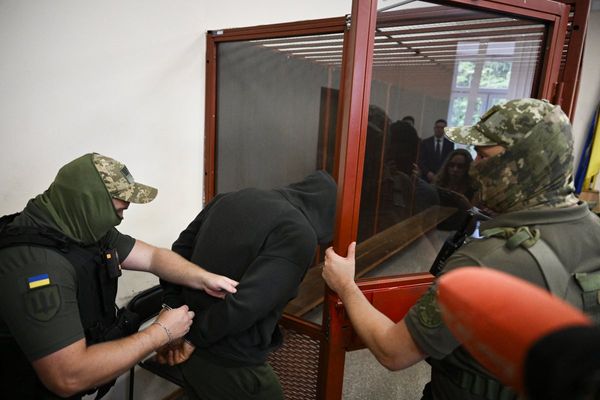
Tehran has executed at least 21 people and detained more than 4,000 since the start of the Iran war, the UN Human Rights Office said on Wednesday.
In a statement from Geneva, the office said at least nine of those executed had been linked to the January protests, 10 were killed for alleged membership of opposition or hostile groups, and two were put to death on espionage charges.

All executions took place after US and Israeli strikes on Iran began on 28 February.
"I am shocked and alarmed," said Volker Türk, the UN High Commissioner for Human Rights. "The Iranian authorities continue to severely restrict people's rights."
Türk called on Tehran to halt executions, release arbitrarily detained prisoners and stop applying the death penalty.
The office said more than 4,000 people had been detained on national security charges since 9 March.
Many of those held have disappeared, been tortured or subjected to mock executions, according to the UN. Ethnic and religious minorities are disproportionately affected.
Iran's judiciary has accelerated convictions and sentences since the war began, citing wartime conditions, the UN said.
Iranian courts have also moved to seize the assets of citizens suspected of collaborating with hostile states or of opposing the war, with reports of property confiscations targeting public figures and Iranians living abroad.
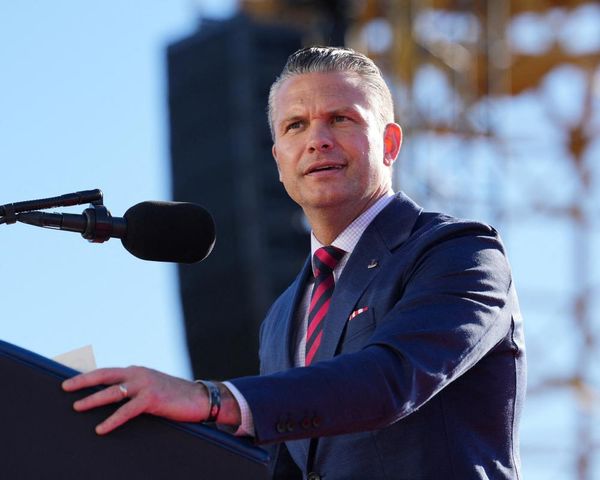
US President Donald Trump said that after the January crackdowns on protesters — in which thousands were killed — he had persuaded the Iranian government to halt the execution of around 800 dissidents. Tehran denied this.
Trump later said Iran had stopped the execution of eight women, a claim the Islamic Republic also refuted.