Get all your news in one place.
100’s of premium titles.
One app.
Start reading
The Guardian - AU
The Guardian - AU
Comment
Lorena Allam

Invasion Day is about Indigenous people’s survival, our resilience. To strike at the heart of that is a hate crime

An Invasion Day rally in Melbourne, Australia
‘In the crowd were old folks, babies in arms, toddlers in prams, gathering peacefully as our families do every year on our National Day of Mourning.’ Photograph: Jay Kogler/AAP

It’s hard to describe the anger and hurt First Nations people have felt since a man threw a bomb into a crowd of men, women and children on 26 January in Boorloo Perth. In the crowd were old folks, babies in arms, toddlers in prams, gathering peacefully as our families do every year on our National Day of Mourning.

The Western Australian police say he threw a fragment bomb containing screws and ball-bearings, the kind designed to send shrapnel flying and cause maximum damage. It is due to luck and presumably the incompetence of the bomb-maker that it did not explode.
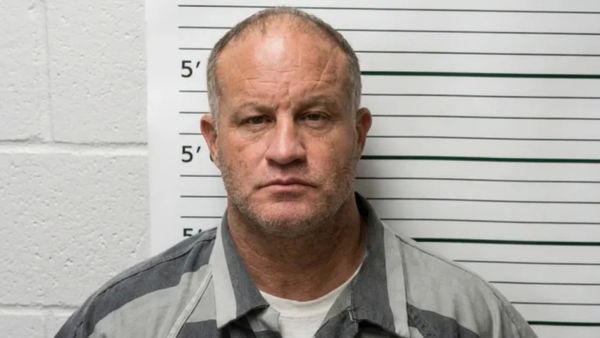
It was a bomb. We can say that now. Not an “alleged” bomb, not a “bomb scare” or an “incident” involving a “homemade device”. Now that the man has been charged with a terror offence, the media – where it has chosen to pay attention to the story – can finally drop the quote marks and use direct language.

First Nations communities have been asking why it took nine days for this charge to be laid. And why it happened after sustained pressure from our leadership and allies, including independent media and the handful of First Nations journalists working in the mainstream, who have spent the past 10 days reporting on an attempted terror attack on their own people and keeping the story alive, while at other outlets the news of a bomb in the Perth CBD barely ruffled their hair.

The police, state and federal governments say they took this incident seriously. The man was arrested on site. Initially, the man was charged with committing an unlawful act with the intent to harm and with making or possessing explosives under suspicious circumstances – criminal charges. Critics said this was not enough to reflect the seriousness of the incident. What they saw was minimisation, the use of euphemism and legal sophistry to hose down the importance of the matter and our anxieties about it.

He was refused bail, but his duty lawyer successfully argued for his identity to be suppressed, saying there was concern that “if (the accused) was identified as the person facing allegations his safety in a custodial environment would be at risk.” Because so many of our people are in jail? Coded language for sure.

Sign up: AU Breaking News email

After the terror and the anger came rising frustration at the silence of those in power, who had otherwise been so vocal on the matter of racist violence of late. We saw the hallmarks of official denial – minimisation, euphemism and passive language, public indifference – that we see unfold when Aboriginal lives are at stake. We saw the kind of passive not-knowing that Australia is very good at when it comes to Indigenous people and history. The late US sociologist Stanley Cohen once said that “denial is built into the ideological façade of the state” and that is the truth here.

“The social conditions that give rise to atrocities merge into the official techniques for denying these realities – not just to observers, but even to the perpetrators themselves,” Cohen said. That is how Australians can cling to the idea that these acts of terror “are not who we are”.

This is a low point in Australia’s long history of colonial terrorism against Indigenous people. Land theft, massacres, poisonings, forced assimilation, child removals, missing and murdered women and children, mass incarceration: genocide. Our survival, our resilience, our joy in our families and communities coming together is the whole point of the annual rally on 26 January. To strike at the heart of that is a hate crime.

People saw a stark difference in attention and empathy at the unsuccessful bombing at Boorloo. Independent senator Lidia Thorpe told the ABC she felt there had been “double standards” in the response. Thorpe put a successful motion to the Senate, to condemn “an act of horrific, overt hate and racism”.

“What followed was the quieter, insidious thrum of the entrenched, systemic racism that shapes this country,” Thorpe told the Senate. “Decisions were made – in newsrooms, in ministerial offices, in the daily rhythms of power – about whether this was urgent. Whether it mattered. Whether our lives mattered.”

Racism was real and rising, she said, and she had never seen it so bad.

“This motion is … about condemning hate and racism consistently, no matter who the victim is or what colour their skin is.”

After the man was initially charged, warnings circulated on social media not to post anything that would endanger the investigation, identify the man at the centre of it, or jeopardise the work of the police. This was of course necessary. But people were being asked to once again contain their feelings of fear, anger and despair while hoping for the police to do their job. It was a big ask, in a climate of indifference and denial, to expect Indigenous people to trust the police at all, let alone trust that an investigation would yield results.

Authorities spent nine days investigating the accused man’s motives. On 5 February a bulging press conference held by the Western Australian premier, Roger Cook, police commissioner, Col Blanch, Australian federal police commissioner, Krissy Barrett, and Indigenous Australians minister, Malarndirri McCarthy, announced that he was being charged with one count of engaging in a terrorist act, the first time this charge has been laid in WA.

“This charge … alleges the attack on Aboriginal people and other peaceful protesters was motivated by hateful, racist ideology,” Cook said. Politicians condemned the act. We stand with you, they said. It was meant to show that justice is being done, or is being seen to be done.

But it’s past time for governments to do something about the fact that Indigenous communities are extremely vulnerable to ongoing racist violence, now coming from radicalised members of the public.

In August last year, about 40 men dressed in black, some armed with flagpoles and sticks and led by known neo-Nazi Thomas Sewell, violently attacked Camp Sovereignty in Naarm Melbourne, injuring four people. Sewell and six others were charged. Sewell was initially denied bail and held in jail but then released on bail in November.

Our communities have been warning that racist violence has been on the rise, especially since the failed referendum on an Indigenous voice to parliament (and how useful such a voice would be now, at a time like this. A special envoy, if you like).

In the wake of the Perth attack, the Aboriginal and Torres Strait Islander social justice commissioner, Katie Kiss, said the hatred on social media against Indigenous people is “so visible, so constant”, but her commission’s National Anti-Racism Framework, handed to the government in 2024, was just gathering dust.

On Friday, the organisers of the Perth rally called for the federal government to expand the terms of reference for the royal commission into antisemitism to cover all forms of racism and far-right extremism. They asked that the government urgently endorse and implement the Australian Human Rights Commission’s anti-racism framework. This problem is nationwide and it affects us all.

As Lidia Thorpe said in parliament this week: “The bomb thankfully did not detonate. It could have caused many deaths. Our elders say it was the protection of our ancestors present through ceremony, holding our people when the worst was intended.

“It was a deliberate act of hate directly targeting First Peoples on our day of mourning.”

• Lorena Allam is descended from the Gamilaraay and Yawalaraay nations of north-west NSW and was the Guardian’s Indigenous affairs editor. She is now the industry professor of Indigenous media at Jumbunna Institute for Indigenous Education and Research at the University of Technology Sydney

Sign up to read this article
Read news from 100’s of titles, curated specifically for you.
Already a member? Sign in here
Related Stories
Top stories on inkl right now
One subscription that gives you access to news from hundreds of sites
Already a member? Sign in here
Our Picks
Fourteen days free
Download the app
One app. One membership.
100+ trusted global sources.