
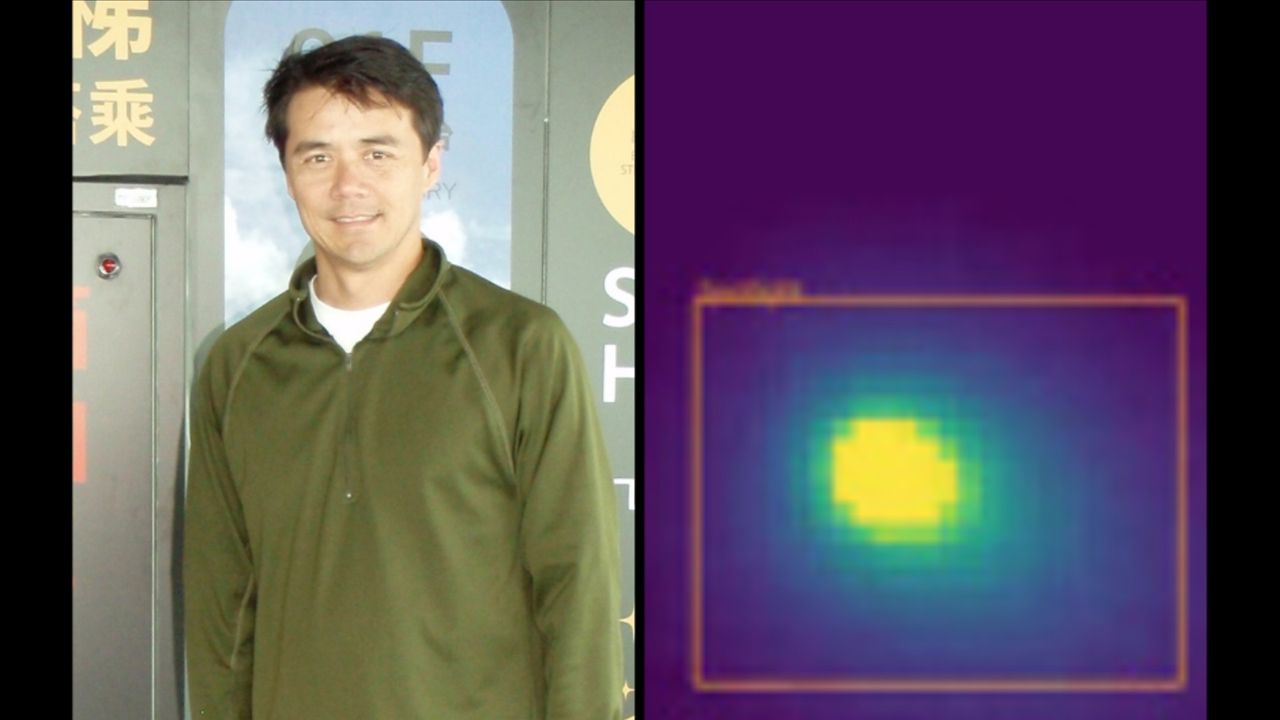
What seemed to be just a normal evening on July 1, 2025 for Larry Denneau, senior software engineer and astronomer at the University of Hawaii's Institute for Astronomy began the same way hundreds of nights before it had: with data quietly rolling in from telescopes scanning the night sky.
Denneau is part of the team behind ATLAS — short for Asteroid Terrestrial-impact Last Alert System — a network of wide-field telescopes that repeatedly images huge swaths of sky to catch anything that moves, particularly near-Earth asteroids. The system snaps the same patch of sky four times in quick succession to create a short motion path, or "tracklet" that shows possible movement, then uses reference images where the sky is still to subtract out any stars and galaxies, leaving behind moving points that could be asteroids, comets, or something else. Candidates that survive these automated filters are sent to a human reviewer to verify they're real and ready to be catalogued by the Minor Planets Center.