Get all your news in one place.
100's of premium titles.
One app.
Start reading
International Business Times UK
World
Ria Pathak

Internet Spots a Vitaly Zdorovetskiy Parallel After Swiss Tourist's Bali Videos Lead to Prison Sentence

Swiss tourist Luzian Andrin Zgraggen was sentenced to one year in prison after his Nyepi videos sparked outrage in Bali. (Credit: Unsplash/Rainer Bleek)

A Swiss tourist's videos from Bali's sacred Day of Silence have landed him in prison, prompting some internet users to draw comparisons with controversial YouTuber Vitaly Zdorovetskiy.

Luzian Andrin Zgraggen, 26, was sentenced to one year in prison by the Denpasar District Court on 20 August after filming himself outside during Nyepi and posting footage that Balinese residents considered offensive.
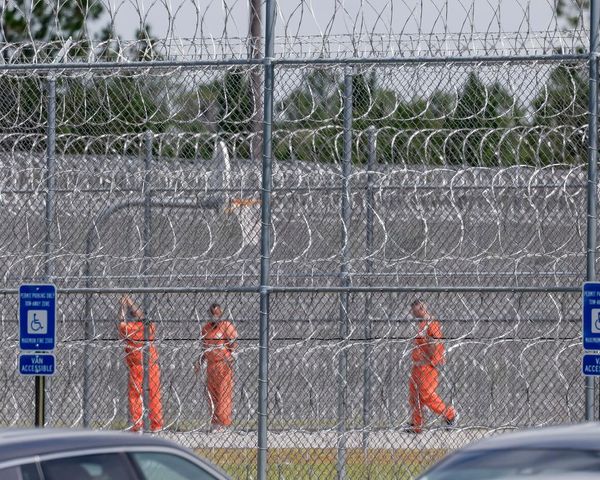
The case has since revived online discussion about foreign visitors filming provocative behaviour abroad and discovering that viral attention can lead to serious legal consequences.

Why Was Luzian Andrin Zgraggen Sentenced in Bali?

According to reports, Zgraggen was arrested in March after sharing Instagram videos filmed during Nyepi on 19 March 2026. The Balinese Hindu holiday, also known as the Day of Silence, requires people across the island to remain indoors and observe a 24-hour period of silence and reflection.

The restrictions apply to tourists as well as residents. Bali's airport closes, entertainment is suspended and the use of electricity is discouraged, while residents generally prepare in advance to remain at home.

In the now-removed footage, Zgraggen walked outdoors towards an empty beach and described the unusual sight as 'crazy', while using profanity about the rules and religious observance.

The posts quickly circulated online and triggered anger among Balinese residents. Prosecutors argued that his actions and comments amounted to an insult to a sacred religious event.

Zgraggen apologised during his trial, saying he had not understood the extent of the restrictions and did not intend to offend the Balinese people. However, a video clip from the court shows him making alleged hand gestures that many believe showed how unserious he was with the situation.

The court nevertheless sentenced him to one year in prison.

Why Are People Comparing the Bali Tourist Case to Vitaly?

The comparison largely centres on the way both cases involved foreigners recording controversial behaviour in Southeast Asia and sharing it online.

Zgraggen is not an influencer or professional prankster, and his case concerns a single incident involving Nyepi and religious sensitivities.

Vitaly, meanwhile, built his online following around confrontational public stunts and provocative videos. The Russian-American creator faced legal trouble in the Philippines in 2025 after a series of livestreams that involved disruptive behaviour and alleged harassment of locals.

Philippine authorities publicly condemned his conduct, and he spent roughly 10 months in prison before they deported him to Russia in early 2026.

For some social media users, the two cases now represent a similar warning: behaviour that might seem like harmless online content to an outsider can be treated very differently by authorities in another country.

Bali's Crackdown on Unruly Tourists

The Zgraggen case comes as Bali continues to deal with complaints about foreign visitors breaking local laws and cultural rules.

The island welcomed a record seven million international visitors last year as tourism recovered strongly following the pandemic. The increase has also brought renewed concerns about traffic violations, inappropriate behaviour at religious sites and tourists disregarding local customs.

Authorities have previously detained or deported foreigners accused of violating Nyepi restrictions, while officials have pledged tougher measures against unruly visitors. That makes the Vitaly comparison understandable as an online talking point, although the circumstances remain very different.

Zgraggen's sentence stems from his conduct during a sacred religious observance, while Vitaly's case in the Philippines involved a broader pattern of disruptive filmed behaviour. The shared lesson is simpler: recording rule-breaking for an online audience does not necessarily make the consequences disappear.

Sign up to read this article
Read news from 100's of titles, curated specifically for you.
Already a member? Sign in here
Related Stories
Top stories on inkl right now
One subscription that gives you access to news from hundreds of sites
Already a member? Sign in here
Our Picks
Fourteen days free
Download the app
One app. One membership.
100+ trusted global sources.