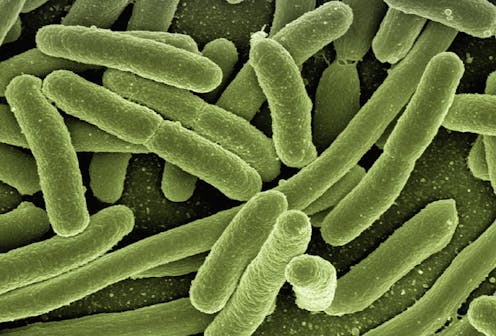
Animals use chemical substances called pheromones to communicate with each other and attract mates, mark territory, and signal danger. Plants release volatile organic compounds to attract pollinators and repel predators. Communication using molecules, known as “molecular communication”, is also useful to humans, albeit in a way that goes unnoticed by us – it plays a critical role in the interactions between the trillions of natural bacteria that live in and on our bodies.
Indeed, the human microbiota – the natural bacteria inside the human body – use “quorum sensing” molecules to organise themselves and communicate with their human host. The microbiota is crucial for our health since it involves a wide range of physiological processes, including digestion and immune system regulation, besides producing certain hormones and other essential molecules.