Your support helps us to tell the story
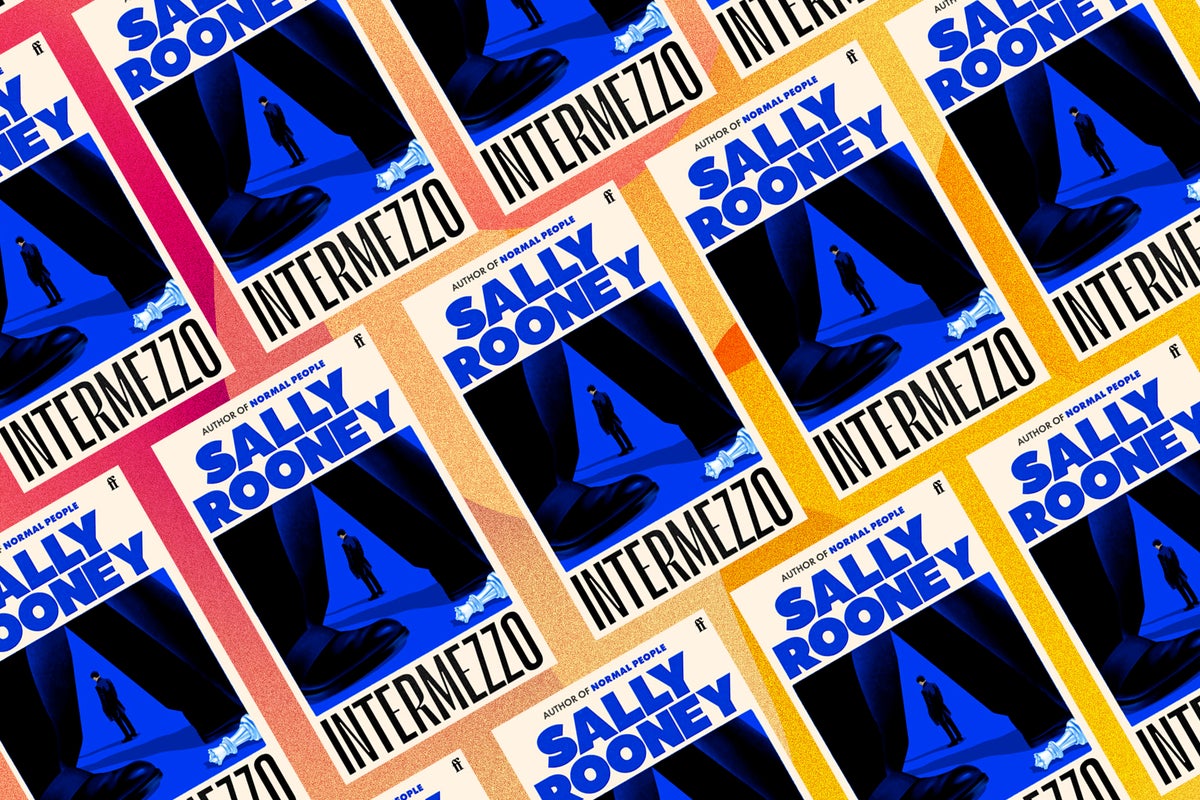
Sometimes in Intermezzo, as in Sally Rooney’s previous work, characters elide what they know or feel to be true with one of the following phrases: “Whatever”, “Hm”, “Mm”, “Cool”, “I don’t know”. In one such moment, a character tells another, “It’s none of my business.” What follows in reply is that moment of not speaking: “Neither of us believes that anymore, he doesn’t say. No such hygienic partition exists […] Conceptual collapse of one thing into another, all things into one. Instead he says meaninglessly: I don’t know.” In Wittgenstein’s introduction to his own Tractatus Logico-Philosophicus, a proposition can be found that rests gently beneath such moments, and retrospectively, beneath Rooney’s fiction overall. The problems of philosophy, of life, we are told, find their roots in the misuse of language. And so, he writes, “What can be said at all can be said clearly; and whereof one cannot speak thereof one must be silent.”