By June, most gardeners have a pretty good idea of how their borders are shaping up. Spring bulbs may have finished flowering, leaving empty spaces behind, while some perennials might be growing more slowly than expected. And occasionally, a plant doesn’t survive the winter — I’ve had to say goodbye to more than one perennial that was hit too hard by cold weather.
It’s something that can happen to anyone; even well-planned gardens sometimes end up with unexpected gaps once the growing season gets underway. But those bare patches can make a garden look unfinished, drawing the eye away from your best plants and disrupting the flow of a border.
Filling those spaces allows you to add color or contrast, all while creating a fuller, more cohesive display that looks intentional and well-established throughout the summer months.
Fortunately, even if you’re short on time, you don’t need to spend a fortune on mature plants from the garden center. Fast-growing annual flowers can go from seed to bloom in a matter of weeks, quickly filling empty spaces with foliage, texture, and color.
They are also a budget-friendly option — a single packet of seeds often costs less than one nursery-grown plant.
If you’re looking for the quickest way to make your garden look fuller this summer, here are seven flowers to sow right now.
1. Sweet alyssum
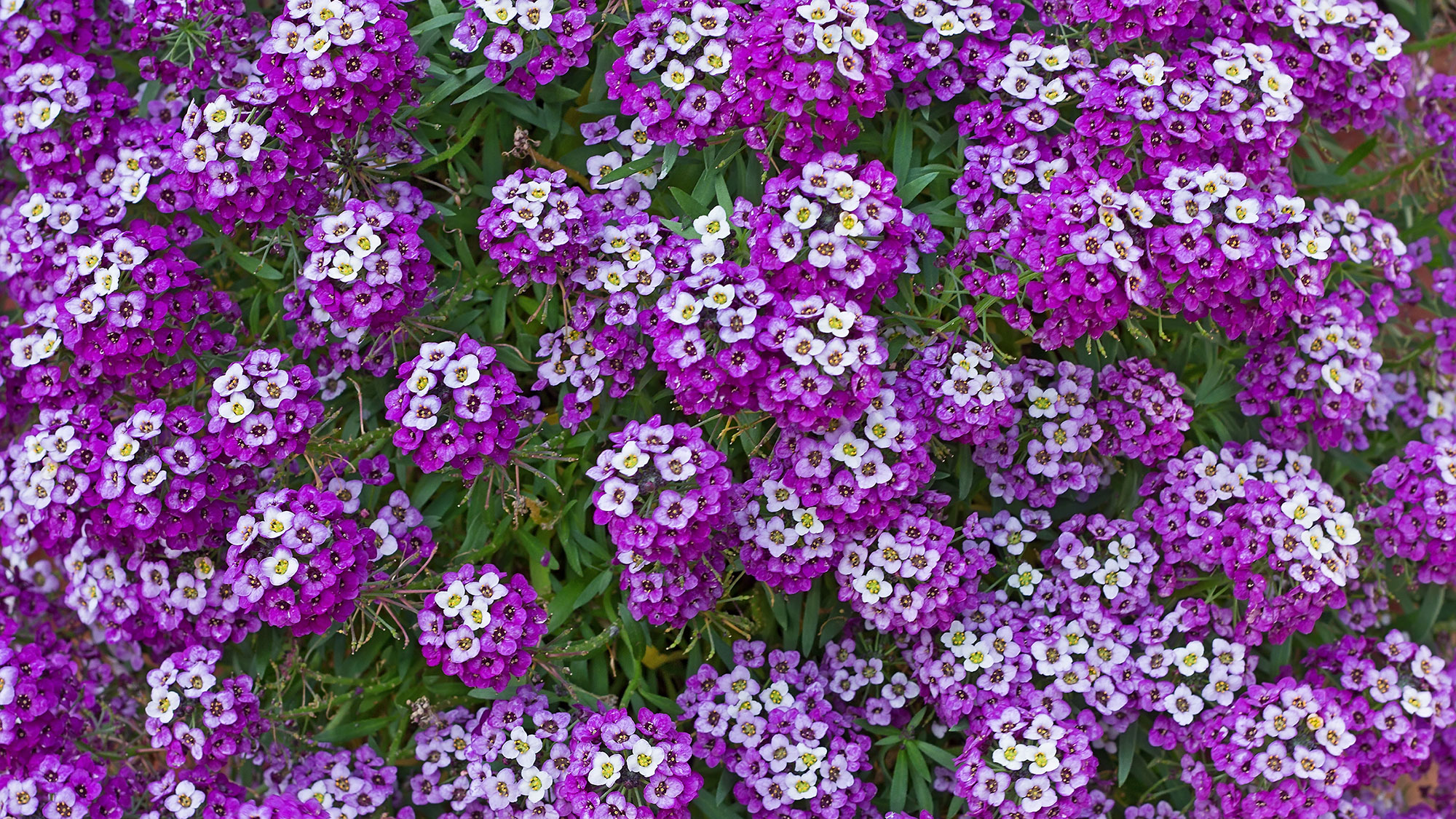
Sweet alyssum is a low-growing annual that produces clouds of tiny white, pink, or purple flowers with a honey-like fragrance. I find that its spreading habit makes it one of the best flowers for quickly filling gaps at the front of borders, between paving stones, or around container displays.
Despite its delicate appearance, it establishes incredibly quickly. The plant forms soft mounds of foliage covered in hundreds of small blooms, creating the effect of a colorful carpet.
How to grow it: Scatter seeds onto prepared soil and press them lightly into the surface, as they need light to germinate. Keep the soil consistently moist until seedlings establish. Sweet alyssum performs best in full sun or partial shade and will often continue flowering until frost.
Time from seed to bloom: Approximately 4–6 weeks
Best for US growing zones: 5–9
2. Calendula
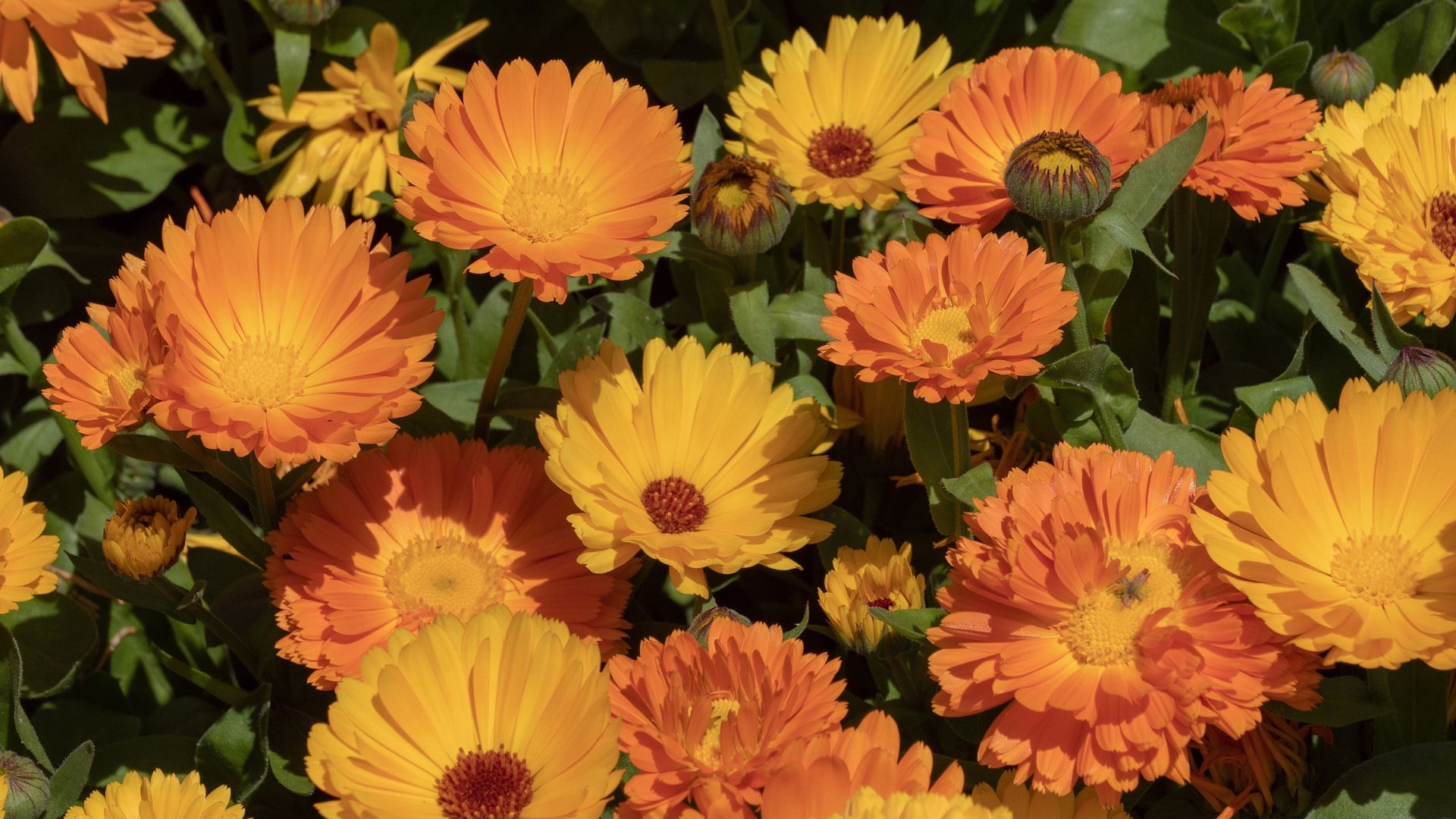
Calendula is a cheerful annual that can’t fail to make me smile, with bright, daisy-like flowers in shades of yellow and orange. It’s one of the quickest flowers you can grow from seed and is particularly useful for plugging awkward gaps throughout borders.
The compact plants produce a surprising number of blooms over a long season and the flowers sit above fresh green foliage, bringing a bold splash of warm color to otherwise sparse areas.
How to grow it: Sow seeds directly into prepared soil in full sun or light shade. Water regularly while the plants are getting established, and remove spent flowers to encourage continuous blooming.
Time from seed to bloom: Approximately 6–8 weeks
Best for US growing zones: 3–10
3. Nasturtiums
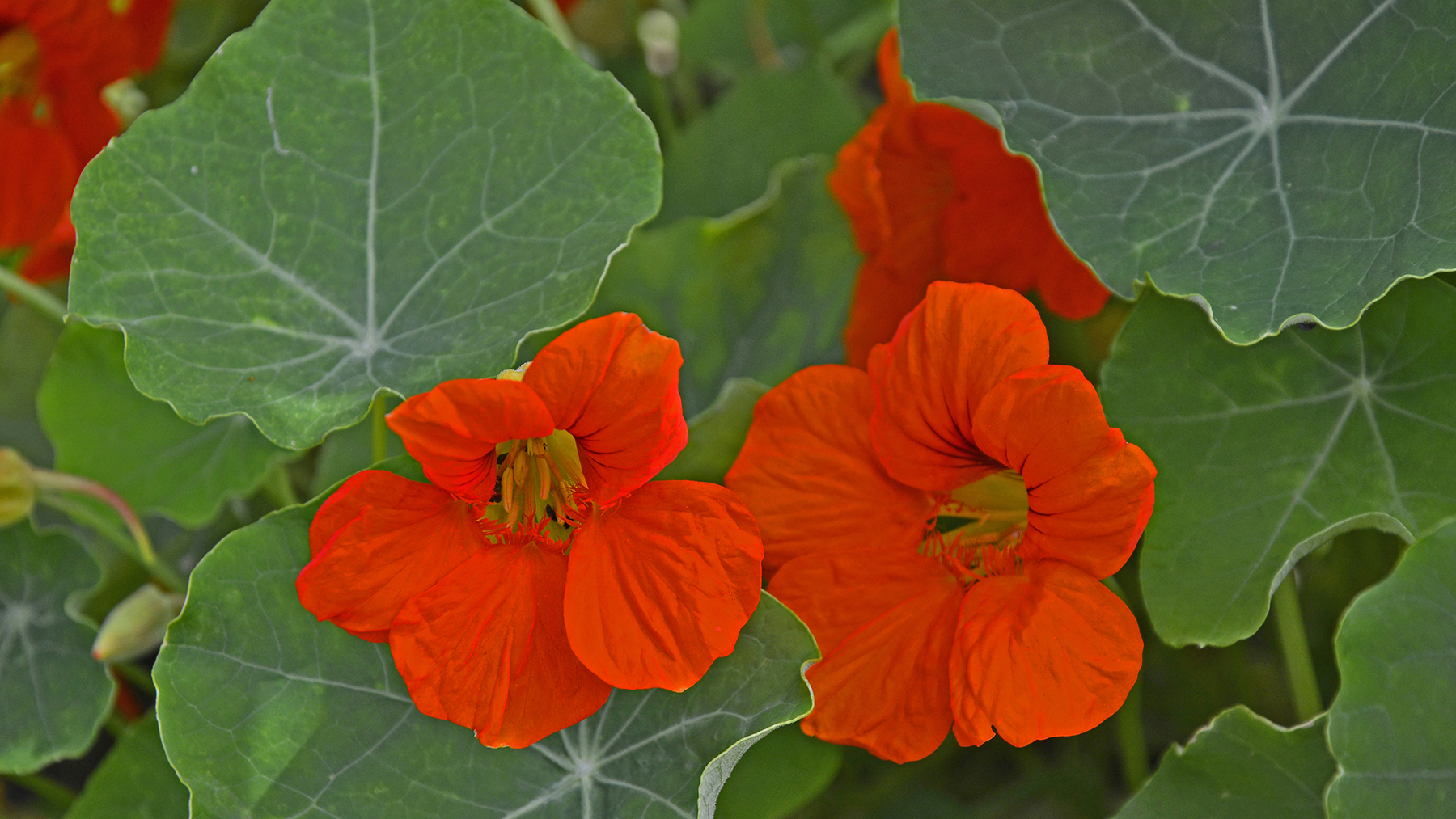
Nasturtiums are fast-growing annuals with vibrant, warm-toned flowers that range from pale yellow through orange to crimson. Few flowers cover ground as quickly as nasturtiums.
Trailing varieties can spill across empty areas of soil, while bush types rapidly fill gaps in containers and borders. Their bright blooms are held above lily pad-like leaves, creating a lush, informal look that suits cottage gardens particularly well. I even like to use the flowers in summer salads if I’m feeling especially creative!
How to grow them: Sow seeds about 1 inch deep, directly where you want them to grow. Choose a sunny position and avoid overly rich soil, which encourages foliage at the expense of flowers. Water regularly while plants establish.
Time from seed to bloom: Approximately 6–8 weeks
Best for US growing zones: 3–10
4. Annual phlox
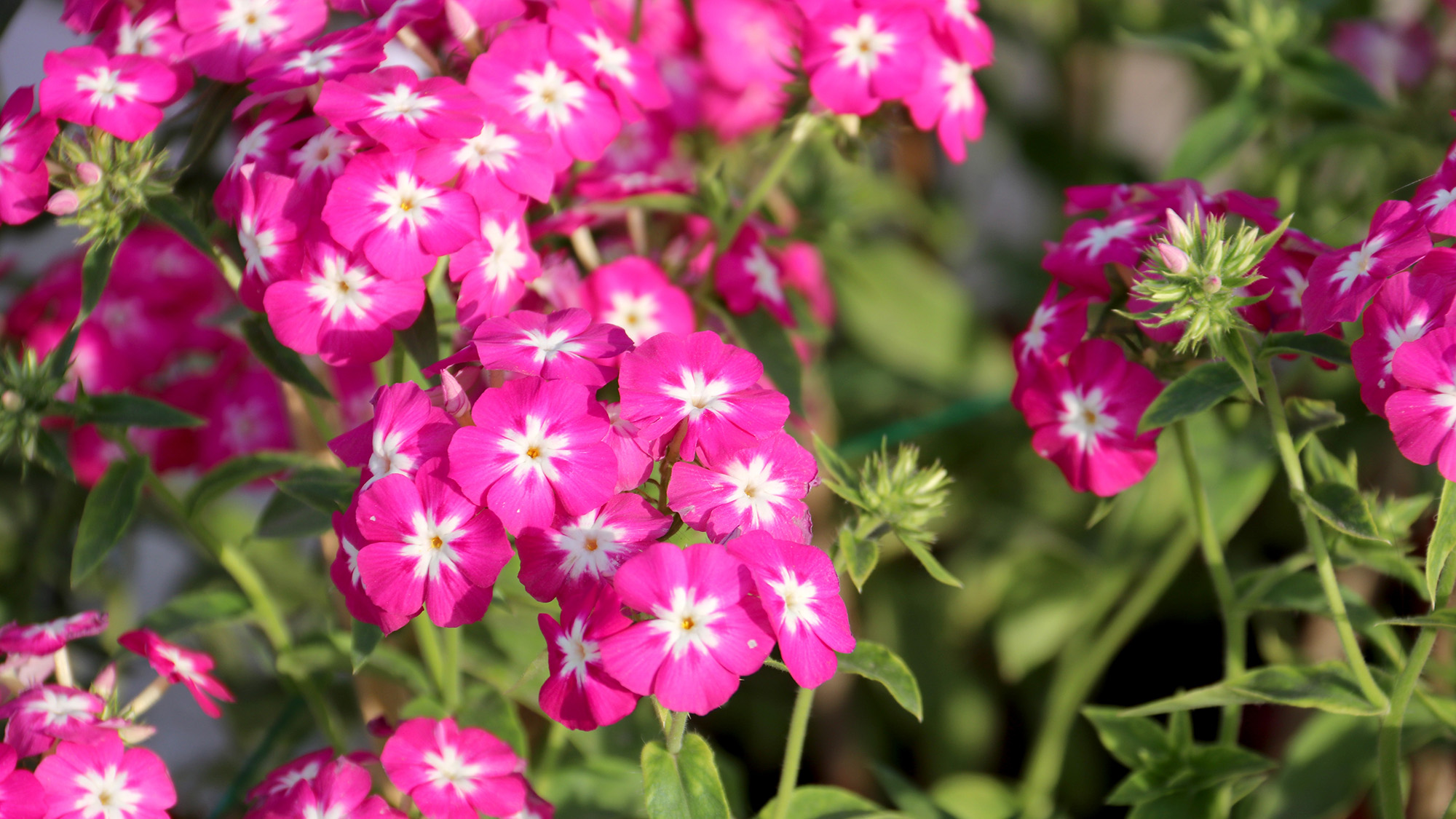
Annual phlox produces masses of brightly colored flowers in shades of pink, purple, white, red, and salmon. This flower is often overlooked, but it’s one of the quickest ways to create dense blocks of color in a border in nearly every growing zone.
The plants remain relatively compact, making them useful for filling medium-sized gaps without overwhelming neighboring plants. When in full bloom, the flowers almost completely cover the foliage, creating a blanket of color that I find quite soothing to look at.
How to grow it: Sow directly into well-draining soil in full sun. Thin the seedlings as they grow to improve airflow and encourage stronger plants. Deadheading will help extend flowering throughout summer.
Time from seed to bloom: Approximately 6–8 weeks
Best for US growing zones: 2–11
5. California poppies
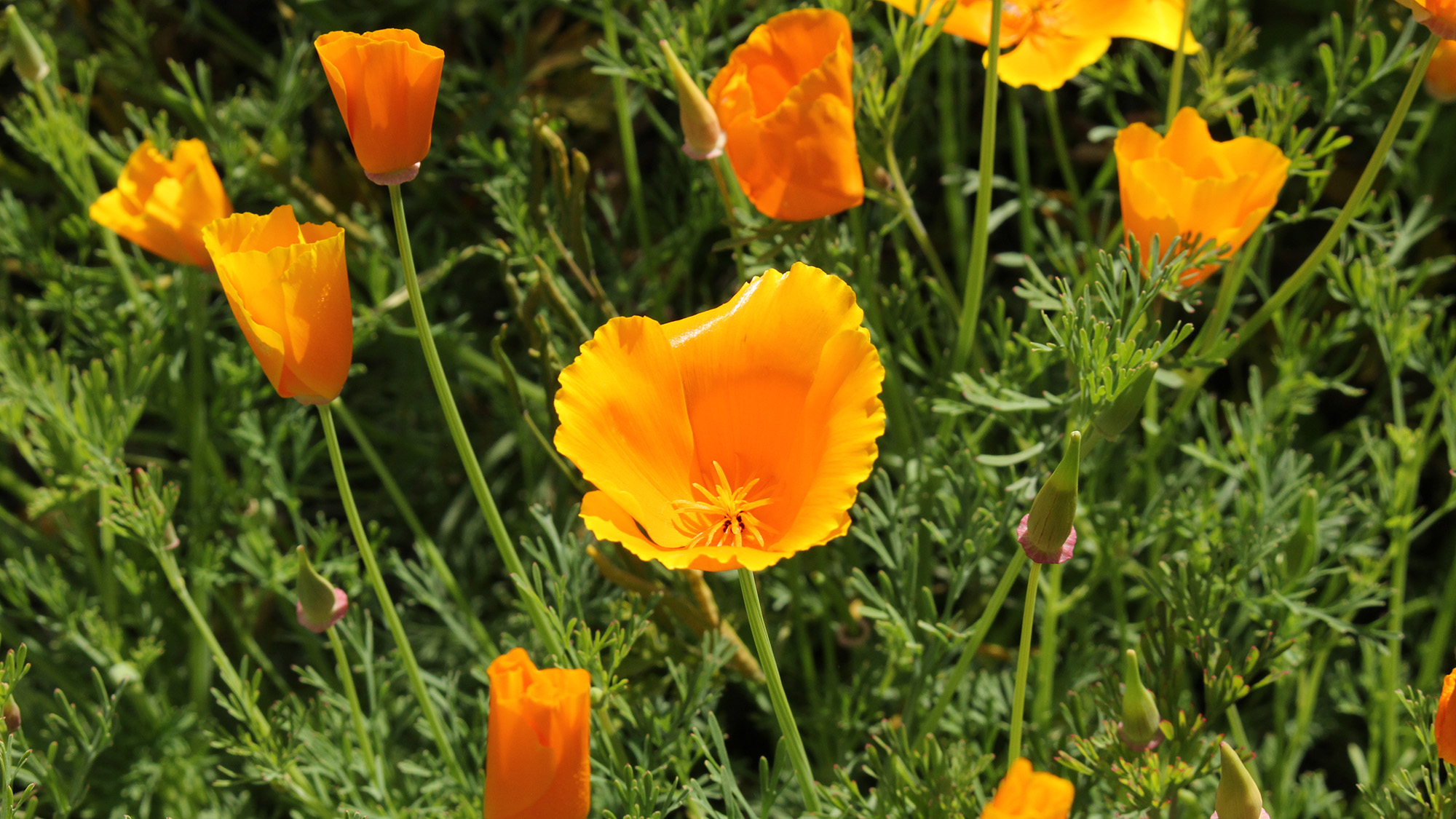
California poppies are drought-tolerant annuals with silky blooms and attractive fern-like leaves, making them a great fit for warmer regions. If I lived in a more southerly area, they would be one of the first plants on my list!
Not only do they flower quickly, but they also thrive in poorer soils where other annuals can struggle. Their delicate flowers bring a relaxed, meadow-like feel to empty spaces. The blooms have a sheen that makes them appear to glow in sunlight, while the finely divided foliage adds texture even before flowering begins.
How to grow them: Sow seeds directly where they will flower, as California poppies dislike root disturbance. Choose a sunny spot with free-draining soil; avoid overwatering once established.
Time from seed to bloom: Approximately 6–8 weeks
Best for US growing zones: 6–10
6. Zinnias
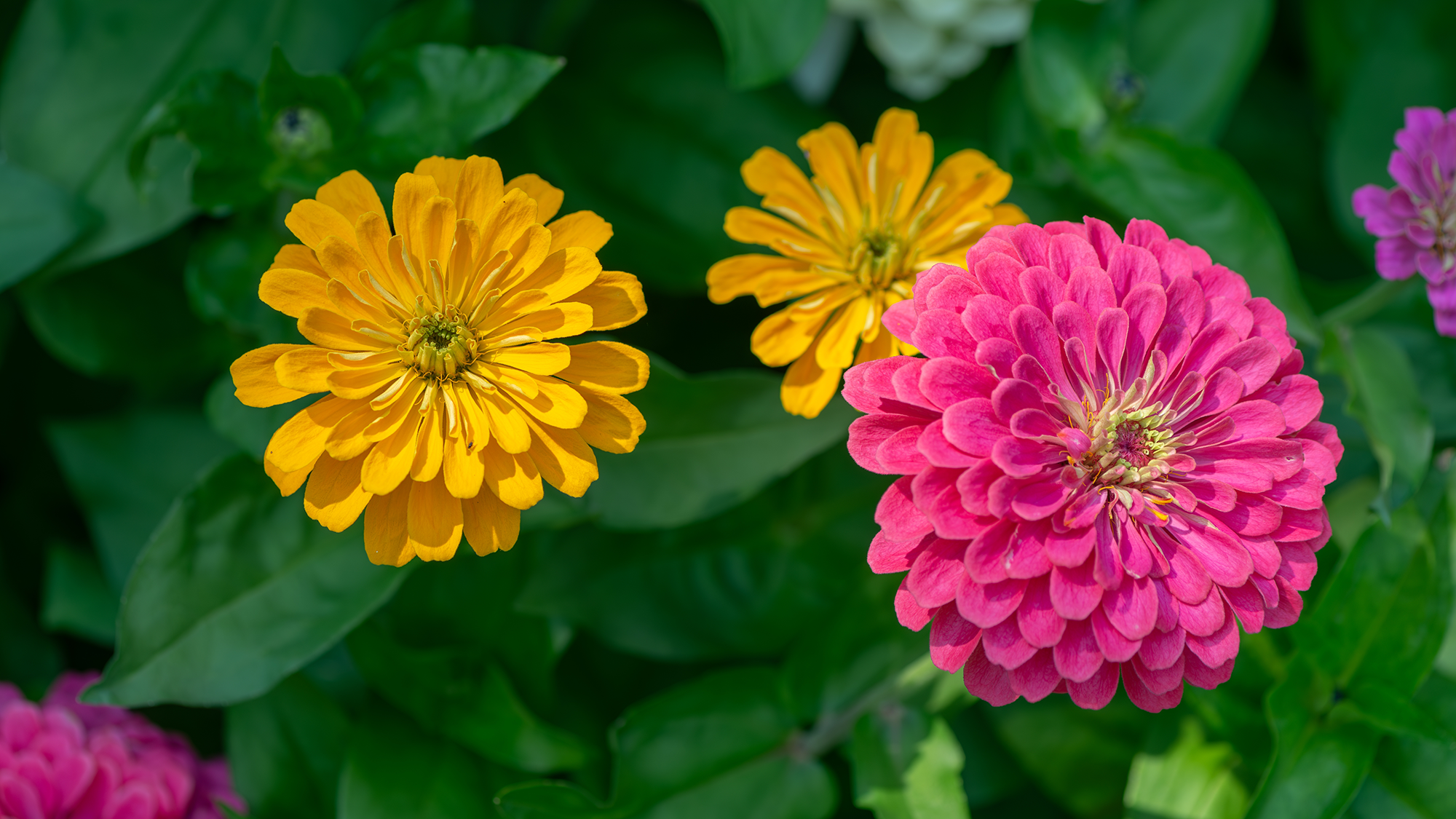
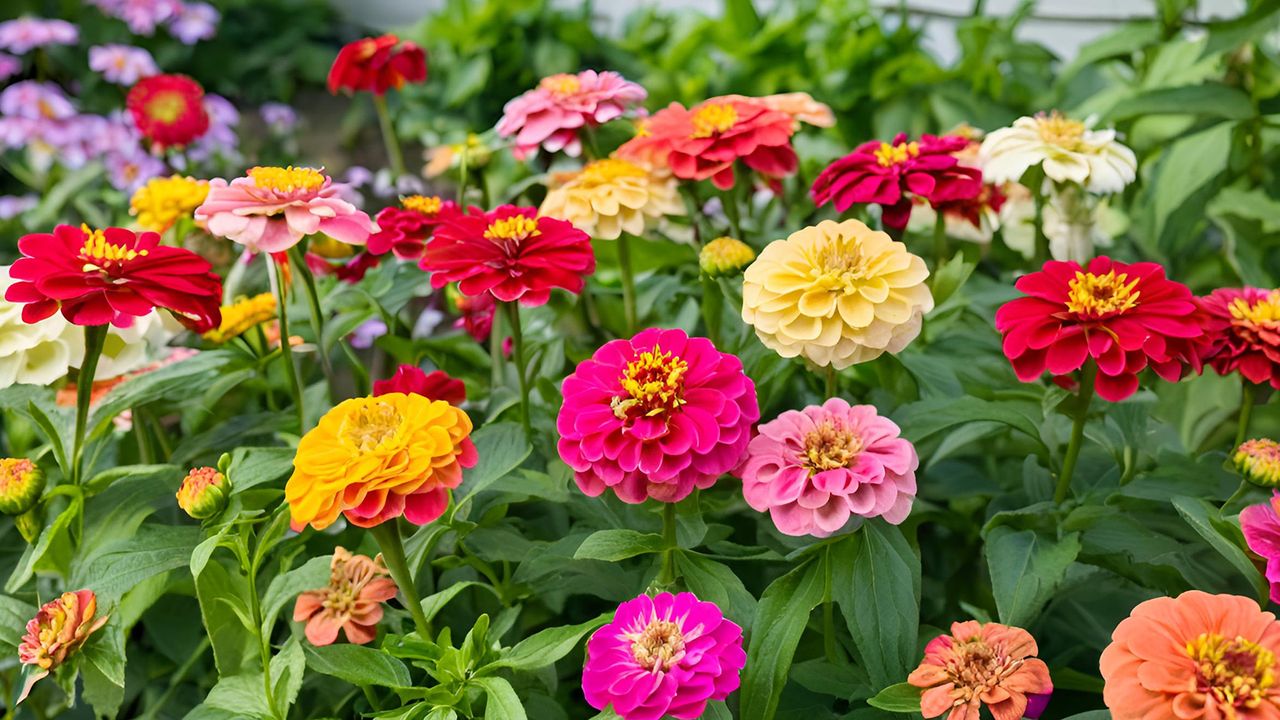
Zinnias are colorful annuals that produce bold flowers in almost every shade imaginable. Warm June temperatures help zinnias grow especially quickly, and their upright habit makes them ideal for filling gaps in the middle of borders where height is needed.
Since they make excellent cut flowers, I like to collect blooms frequently through the summer to adorn my home and to give to friends. Depending on the variety, flowers can range from simple daisy-like blooms to large, fully double flowers that resemble dahlias.
How to grow them: Sow seeds directly outdoors in a sunny location once the soil is warm. Space plants according to the variety and water consistently while young plants establish. Regular deadheading will encourage more blooms.
Time from seed to bloom: Approximately 6–8 weeks
Best for US growing zones: 3–10
7. Clarkia
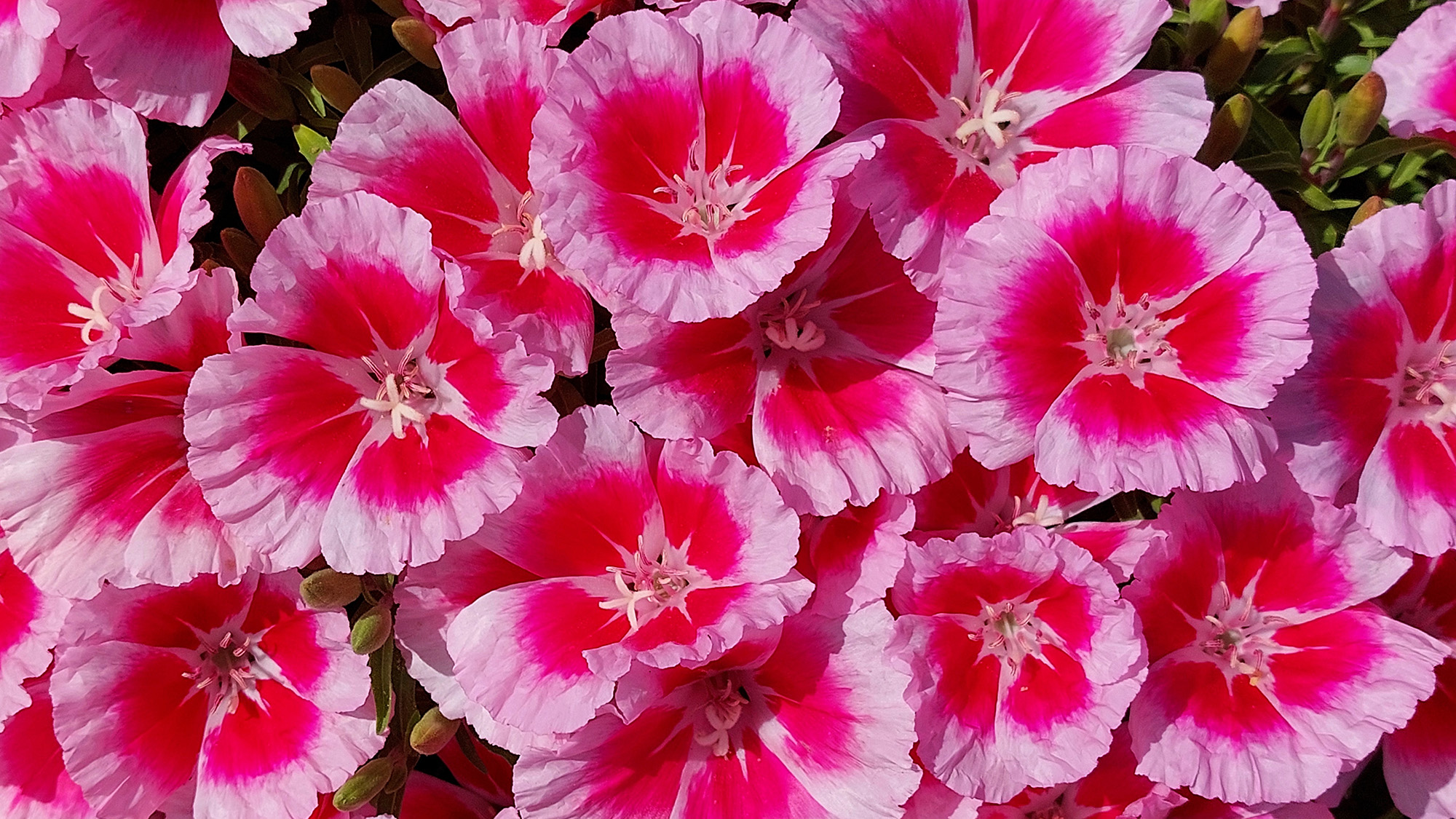
Clarkia is a fast-growing annual with delicate, cup-shaped flowers in shades of pink, purple, white, and rose. It produces an abundance of blooms on slender stems and can quickly soften bare areas of a border.
Its cottage-garden appearance makes it particularly useful for blending planting schemes together. The flowers flutter above narrow foliage, creating a light and airy effect that contrasts beautifully with larger-leaved plants.
How to grow it: Sow seeds directly into prepared soil in full sun or partial shade. Thin seedlings once established and water during prolonged dry periods. The plants generally require very little maintenance once they begin flowering.
Time from seed to bloom: Approximately 6–8 weeks
Best for US growing zones: 3–10
Gardening essentials we love