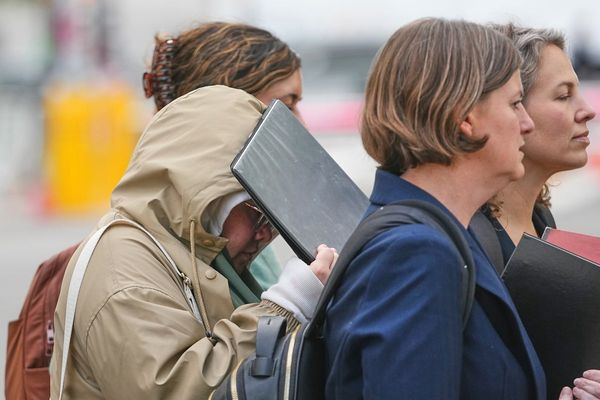
On November 16, 2025, 32-year-old Alanna Lin Brown of Grant County, Indiana, was arrested and charged with fraud and neglect of a dependent resulting in bodily injury.
Authorities allege she falsely claimed her toddler required a feeding tube to receive nearly $97,000 in grant funding over 22 months from LifeStream Services, a nonprofit supporting people of all ages with medical needs.
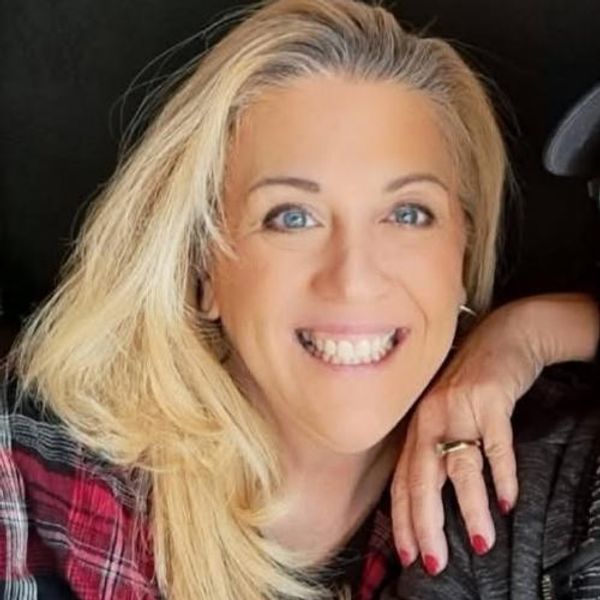
As reported by Law&Crime, court documents indicate that Brown brought her child to an emergency room in April, asserting the toddler was “aspirating” while eating. Medical staff diagnosed the child with moderate malnutrition and placed her on a feeding tube.
A father’s concern
But investigators say the child’s father — a preschool teacher — raised serious doubts. He told police the child had no swallowing issues and that Brown often prevented him from attending medical appointments.
According to him, when the child was in his care for 10 days in March, she ate food without the feeding tube and gained weight. A friend told investigators the little girl happily consumed a McDonald’s meal, suggesting she didn’t need the tube.
Medical personnel also expressed concern. Per the affidavit, a physician told investigators that, while under Brown’s care, the toddler continued to lose weight. After the child was removed from her mother’s custody in October, her weight began to recover. According to a local news outlet, WKRC, concerned community members reached out to local media about their suspicions in June.
The Ring camera audio
Most critically, though, investigators also say Brown was recorded on a Ring home-security camera voice-recording, complaining about finances, saying: “Now, I got to refigure my bills … because I’m not going to lose a f—– payment from her so she can eat.” Brown posted a $2,000 bond following her arrest, and her next court appearance is scheduled for December 5.
Grant County prosecutors did not immediately respond to requests for comment. According to reports, the local organization providing funds is cooperating with investigators.
Oversight of organizations like LifeStream Services in Indiana — and similar charities nationwide — can be uneven and limited. While charitable entities generally must register with state attorneys general or secretary of state offices, those regulatory offices are frequently under-resourced. According to a report by the Urban Institute, many states have only a handful of full-time staff overseeing nonprofits.
At the federal level, oversight is also limited. Charities must file IRS Form 990, which the IRS primarily focuses on tax enforcement rather than detailed program-level auditing. That means abuses or misuse of charitable funds can slip through.