For many Indian small and medium enterprises (SMEs), international growth is no longer a novelty. From manufacturing and engineering to textiles, trading, pharmaceuticals, electronics and consumer goods, businesses across sectors have spent years building export relationships, entering overseas markets and expanding their customer base beyond India.
Yet as businesses evolve, so do the questions they face.

How can they reach new markets more efficiently? How can they strengthen distribution networks, improve supply-chain resilience and serve customers across multiple geographies? And what does it take to move from exporting products to building a sustained international presence?
These questions are becoming increasingly relevant as businesses rethink how and where they operate. For enterprises that have already built scale in India, the next phase of growth may depend not only on what they produce, but also on the infrastructure, partnerships and regional presence they develop overseas.
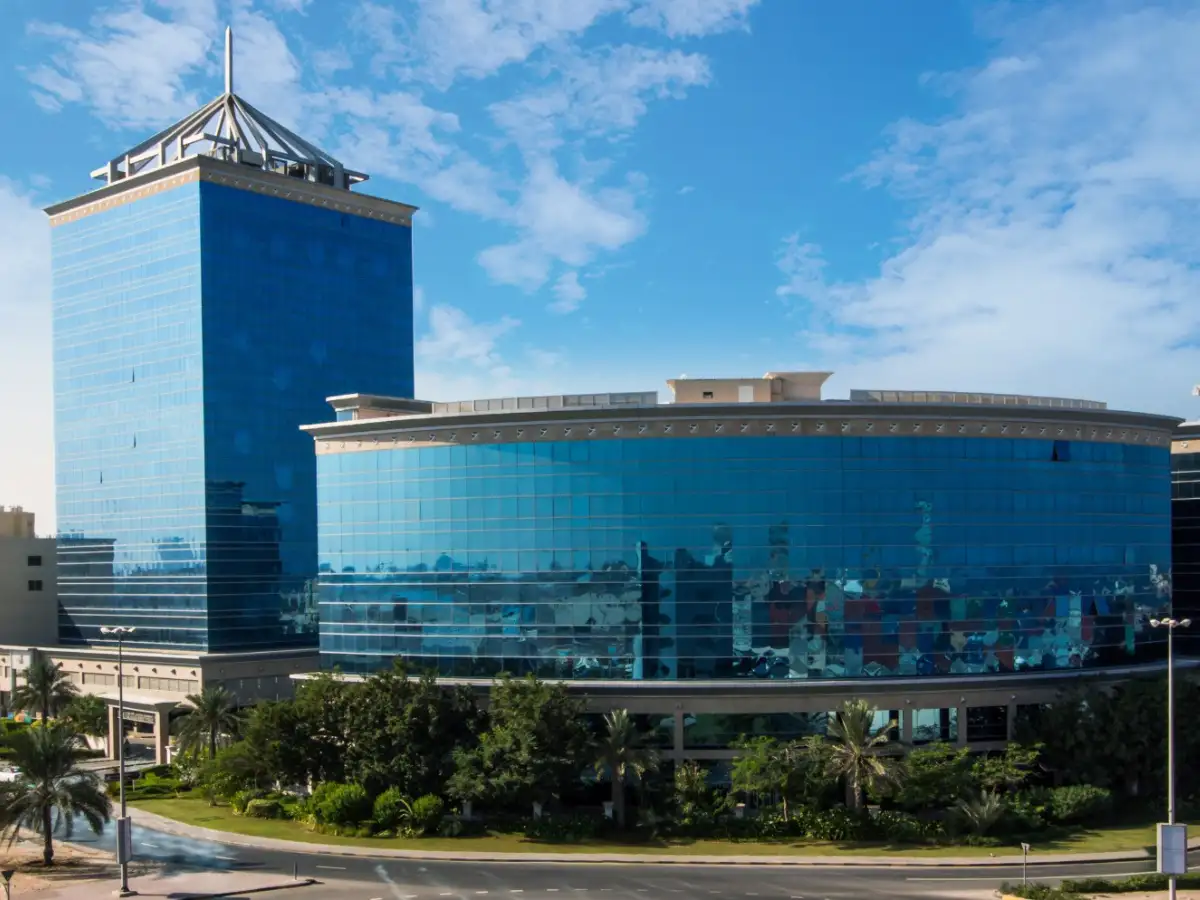
Among the destinations increasingly featured in these conversations is the United Arab Emirates (UAE). Located along major trade corridors linking Asia, the Middle East, Africa and Europe, the UAE has become an important base for companies seeking to manage regional operations, support international trade and access multiple markets from a single location.
It is against this backdrop that the India-UAE Business Expansion Forum, presented by Ajman Free Zone in association with The Economic Times , will bring together exporters, manufacturers, trading companies, entrepreneurs and business leaders in Chennai on 24 August 2026 and Delhi-NCR on 26 August 2026.
The forum will examine how Indian businesses can strengthen their global footprint, develop more agile operating models and unlock new growth opportunities through the UAE.
Building the infrastructure for global growth
As supply chains evolve and businesses seek greater resilience, international expansion is becoming less about entering one overseas market at a time and more about building a platform that can support several markets simultaneously. The UAE is increasingly relevant to that conversation. Beyond its role as a trading destination, it is being evaluated by businesses as an operational base, distribution hub, warehousing centre and bridge to markets across the GCC, the wider Middle East, Africa and beyond.