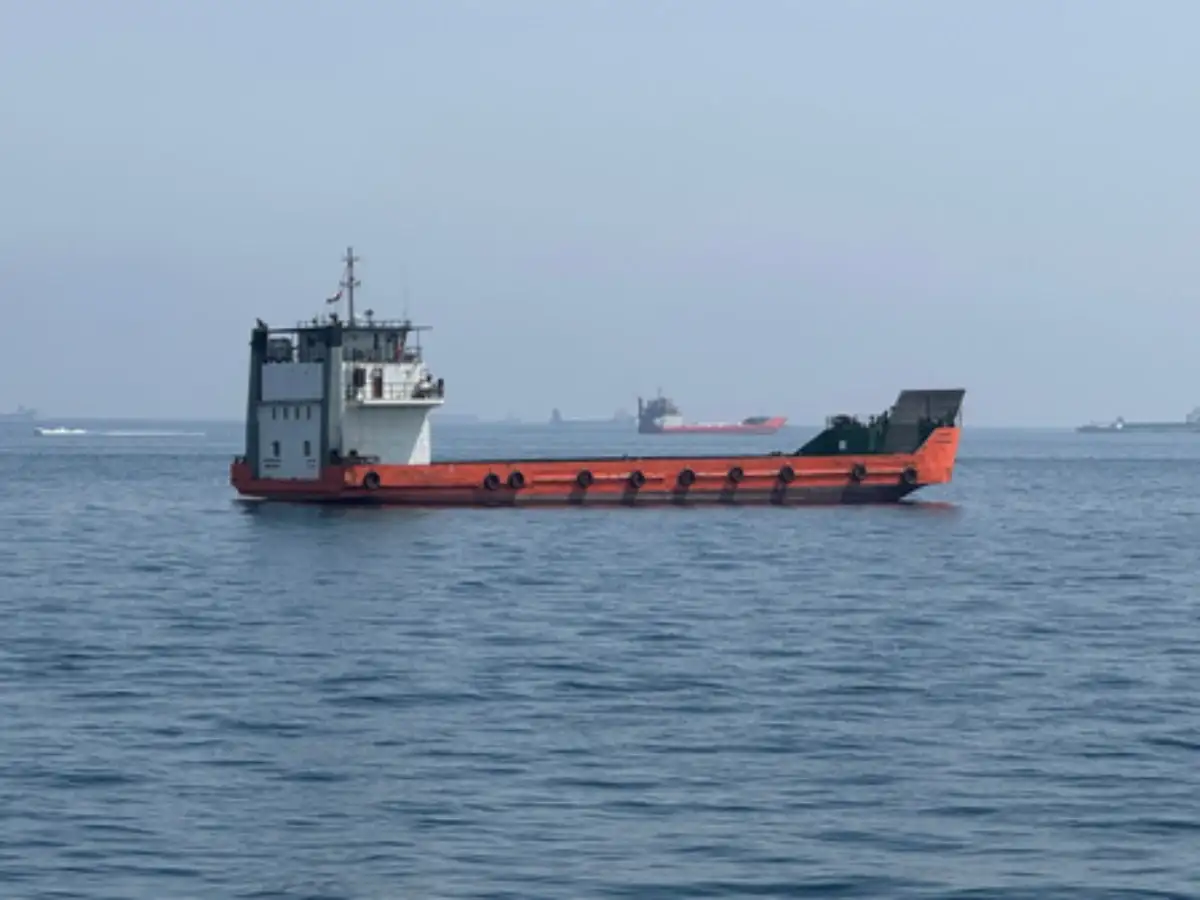
Indian oil refiners are hiring tankers to sail through the Strait of Hormuz to pick up crude from within the Persian Gulf, a change of tactics to help them cut costs and secure their supply chains.
Processors have issued tenders and are negotiating with shipping lines, according to people familiar with their efforts. So far, Sinokor Group and Dynacom Tankers Management Ltd. have been awarded tenders, said the people, asking not to be named as they’re not authorized to speak to media.
Also read: Why is oil at $100 if Trump is winning the battle in Hormuz?
Shipping Corp. of India and Lila Global also made bids but those tenders were canceled, they said.
The move marks a shift for Indian refiners, who have avoided sending their own tankers through Hormuz since early in the US-Iran war due to the risk of attacks.
Instead, they relied on gulf producers and international traders to shoulder the risk of transiting the contested waterway and delivering barrels to India, which involved paying a hefty premium for the service on a so-called cost and freight basis.
In recent weeks, however, Indian Oil Corp., Reliance Industries Ltd., Bharat Petroleum Corp. and HPCL-Mittal Energy Ltd. have bought Iraqi crude on a free-on-board basis. Such sales require the buyers to handle the logistics of sending a vessel to load the cargo and then delivering it to its destination.
The FOB deals give Indian refiners a chance to control costs, although finding and securing tankers isn’t straightforward.
Indian Oil, Reliance, Bharat Petroleum, HPCL-Mittal, Sinokor, Dynacom, Shipping Corp. of India and Lila Global didn’t immediately respond to emails seeking comment.
The change in strategy comes after a recovery in flows through Hormuz in recent months, and the restoration of Saudi Arabia’s East-West pipeline. Shipments of crude oil from the Middle East are now at 98% of pre-war levels, JPMorgan Chase & Co. said in a note this week. India is also becoming more reluctant to take Russian cargoes due to rising political pressure from the US.
Picking up crude from within the gulf had been difficult because New Delhi wasn’t permitting ships making the voyage to use Indian crew. However, in August, the Directorate General of Shipping softened its advisory, asking shipowners and placement agencies to obtain consent of Indian seafarers before going through Hormuz rather than banning them.
Also read: Trump says Iran will 'give up', claims US took record oil out of Strait of Hormuz
Another reason that Indian refiners may have changed tactics is that SOMO, Iraq’s state-owned oil marketer, has been offering buyers discounts of as much as $37 a barrel below regional benchmarks for contracted supplies for October.
Volumes of oil flowing through the strait and heading to India averaged about 1.3 million barrels a day in September, the highest since February, before the start of the war, according to Kpler. Overall Indian crude imports from the Middle Eastern imports are to about 2.8 million barrels a day, which includes Saudi supplies sent via the Red Sea.