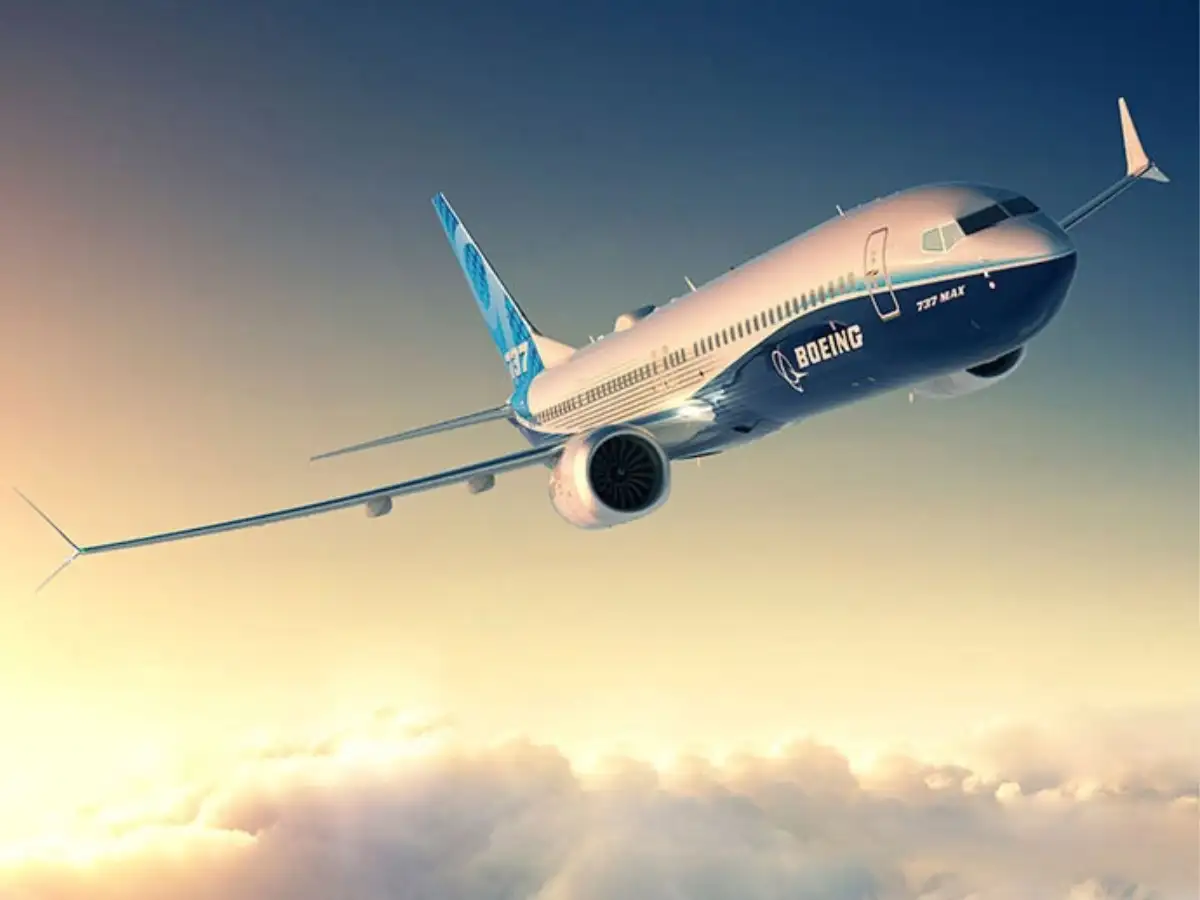
A software issue identified by Boeing in some 737 MAX aircraft has put the spotlight on a jet that is slowly becoming important to India’s fast-expanding airline fleet, with Air India Express and Akasa Air together operating around 96 of the aircraft and hundreds more on order.
The issue relates to auto pilot during a specific landing scenario. Boeing said the problem can arise after a missed approach, when pilots change the preprogrammed flight path. In such a situation, the flight management computer software may cause the aircraft to transition from vertical navigation mode to a simpler level of automation for pitch control.

In a statement, Boeing said it informed all 737 operators about the issue last month and provided information reinforcing existing procedures for handling the situation. Its engineers are working on a permanent software fix, while the company is also working with airlines on a procedure that would allow pilots to re-enable automated vertical navigation if the situation occurs.
Also read: Boeing flags 737 MAX software glitch affecting landing navigation feature, WSJ reports
The manufacturer stressed that pilots are trained to safely land an aircraft without automated vertical navigation.
The issue has surfaced at a time when airlines are committing heavily to the 737 MAX for future fleet expansion.
Air India Express and Akasa Air together have around 96 Boeing 737 MAX aircraft in operation. Air India Express operates about 53, while Akasa Air has 43 in its fleet, according to PTI.
Akasa Air, in a statement released on Monday, said it was closely coordinating with Boeing and that there was “no impact” on the safety of its operations. The airline said its aircraft continued to operate according to established procedures and applicable regulatory requirements.
Hundreds of Boeing aircraft still in Indian order books
The latest software issue comes against a backdrop of substantial Boeing orders by Indian carriers.
The Boeing customer order data provided shows 505 unfilled orders across Air India, Akasa Air and SpiceJet. Air India has 167 unfilled orders for the 737 MAX, 10 for the 777X and 16 for the 787-9. Akasa Air has 183 unfilled 737 MAX orders, while SpiceJet has 129 unfilled 737 MAX orders.
Moreover, Rakesh Jhunjhunwala-backed Akasa Air is in talks with Boeing to order more than 200 additional 737 MAX aircraft, according to Bloomberg. A decision is expected early next year, with terms likely to be finalised in the second half of 2027. The proposed purchase would support Akasa's fleet growth beyond 2032.
Akasa is also targeting a 30% increase in capacity by March 2027, adding urgency to the pace at which it expands its fleet.
Air India is expanding its Boeing fleet too
Air India, meanwhile, has also been adding to its Boeing order book.
In January, Boeing announced that Air India had ordered another 30 737 MAX aircraft, including 20 737-8s and 10 737-10s. Boeing said the airline's order book had expanded to nearly 200 aircraft across its single-aisle and widebody aircraft families.
The purchases exercised existing options as Air India expands its route network. The airline said the additional 737 aircraft were part of its broader fleet strategy, with the 737-8s intended for high-frequency domestic and short-haul regional routes.
Boeing's own commercial market outlook puts the scale of the Indian opportunity in perspective. The company forecasts that India and South Asia will need nearly 3,300 new aircraft over the next two decades, with 90% of those expected to be single-aisle jets such as the 737 MAX.
For the US-based aircraft manufacturer, India is therefore a major market for the single-aisle aircraft programme. For Indian carriers, the 737 MAX is embedded in their plans for fleet and capacity expansion.
Also read: Akasa Air says ‘no impact’ as fresh Boeing 737 MAX software glitch emerges
Boeing's production remains a separate challenge
The software issue also comes as Boeing continues to work on stabilising 737 MAX production.
Boeing president and CEO Kelly Ortberg said the company was producing 737 aircraft at a rate of 47 a month, but had not yet stabilised production at that level.
“We're now driving at 47 a month, but we are not stable yet at 47 a month,” Ortberg said at an investor conference earlier, adding that stabilising the production system was taking longer than he had anticipated.
The latest software problem is not the first time the 737 MAX has faced intense scrutiny. The aircraft was grounded globally after two fatal crashes, a Lion Air 737 MAX 8 crash in Indonesia in October 2018 that killed 189 people and an Ethiopian Airlines 737 MAX 8 crash in March 2019 that killed 157.
Boeing has since returned the aircraft to commercial service, and the current issue is related to flight guidance during a particular landing scenario rather than the circumstances of those crashes.
The company has delivered more than 2,400 737 MAX aircraft globally so far.
The latest Boeing issue arrives as Indian carriers are building out sizable 737 MAX fleets and placing substantial future capacity behind the aircraft.
That makes the resolution of the software problem, the pace of Boeing's production ramp-up and the delivery of aircraft already on order closely relevant to the fleet plans of India's airlines.
(With inputs from agencies)