Get all your news in one place.
100's of premium titles.
One app.
Start reading
The Economic Times
The Economic Times
Indrishka Bose

Independence Day 2026: The Kolkata chemist who sold foreign medicines, backed Swadeshi and built a pharma empire

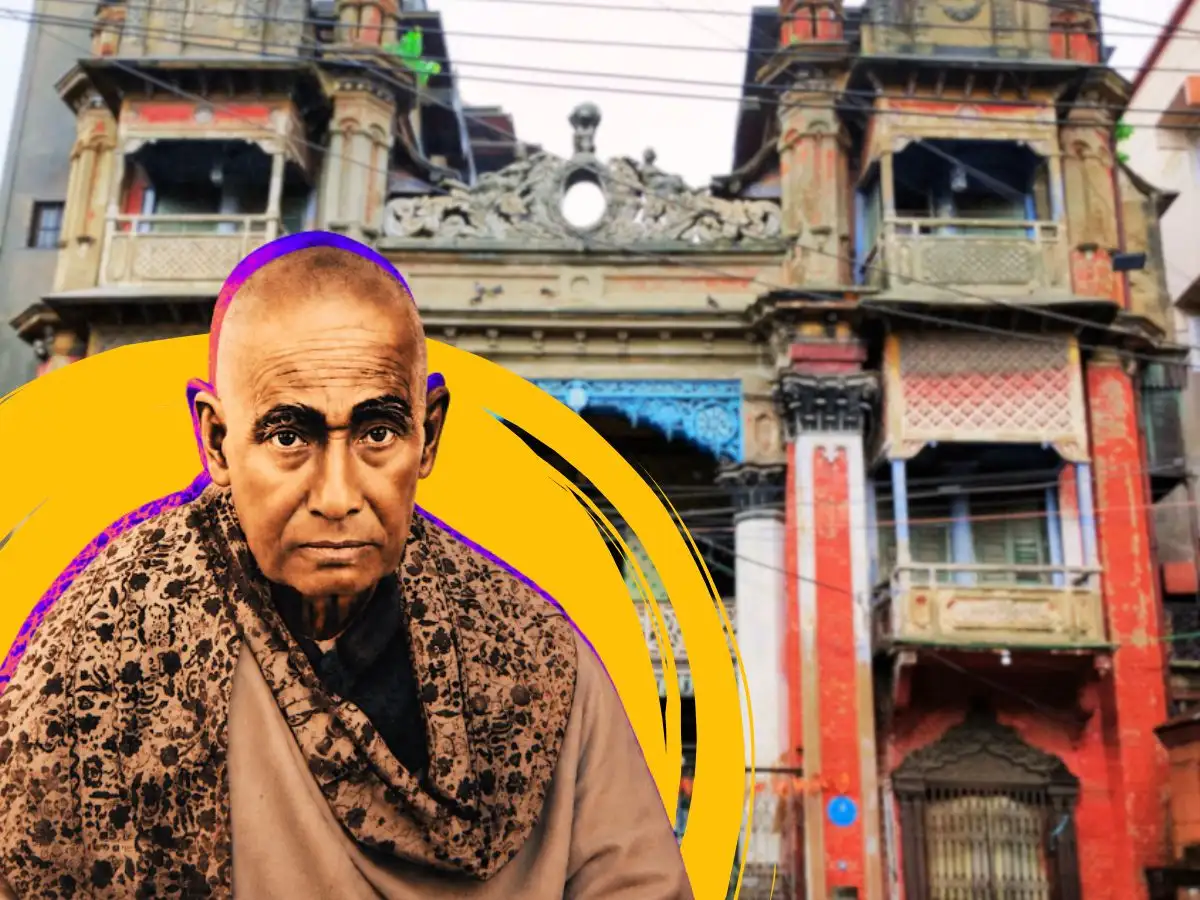
On a narrow stretch of Sovabazar Street in north Kolkata, an old chemist shop still operates from a building that has stood through some 150 years of the city's history.

To a customer walking in today, there may be little to suggest the scale of the business that once operated from here. The shop was once at the heart of one of eastern India’s largest Indian-owned pharmaceutical businesses. What began in a small room eventually grew into outlets across Kolkata, a factory in Dum Dum and, later, an office in London.
Also Read: Independence Day 2026: 79 years of an India on the rise as its households dream bigger

The story of Butto Kristo Paul & Co. has been documented in a 2018 study by historian Malika Basu, published in the Indian Journal of History of Science under the title “Butto Kristo Paul & Co – An Enterprise for Localization of Foreign Medicines in Colonial Calcutta”. The study traces how Butto Kristo Paul, a grocer's son from Shibpur, built an Indian-owned medicine business in colonial Calcutta, first by importing foreign medicines and later moving into manufacturing. Family accounts provide another layer to that history, including Paul's supposedrole in supporting the Swadeshi movement and the eventual connection between his business and Bengal Chemical.

Paul began by importing foreign medicines into colonial Calcutta, at a time when such drugs were not readily available. Over time, the business expanded well beyond medicine trading, becoming part of the growth of Western medicine in the city, the emergence of Indian scientific enterprise and, later, the economic nationalism of the Swadeshi era.

A grocer's son enters the medicine trade

Butto Kristo Paul was born in 1835 in Shibpur, Howrah. He lost his parents when he was still a child and was brought to Kolkata by his maternal uncle, who gave him work in his shop.

Before eventually getting into medicines, Paul tried a few different businesses. He started with the opium trade but soon left it due to lack of interest. He then moved into jute, travelling by boat for work. That business ended after a life-threatening incident when his boat capsized.

"He then began working at a medicine shop in Burrabazar," Amit Kumar Paul, a fourth-generation member of B K Paul family, recalled. "The owner himself recognised his interest in the pharmaceutical trade and allowed him to use an empty room at 120 Khangrapatti Street, now known as Purushottam Ray Street, to start his own shop."

Sign up to read this article
Read news from 100's of titles, curated specifically for you.
Already a member? Sign in here
Related Stories
Top stories on inkl right now
One subscription that gives you access to news from hundreds of sites
Already a member? Sign in here
Our Picks
Fourteen days free
Download the app
One app. One membership.
100+ trusted global sources.