Get all your news in one place.
100's of premium titles.
One app.
Start reading
The Economic Times
The Economic Times
Team Global

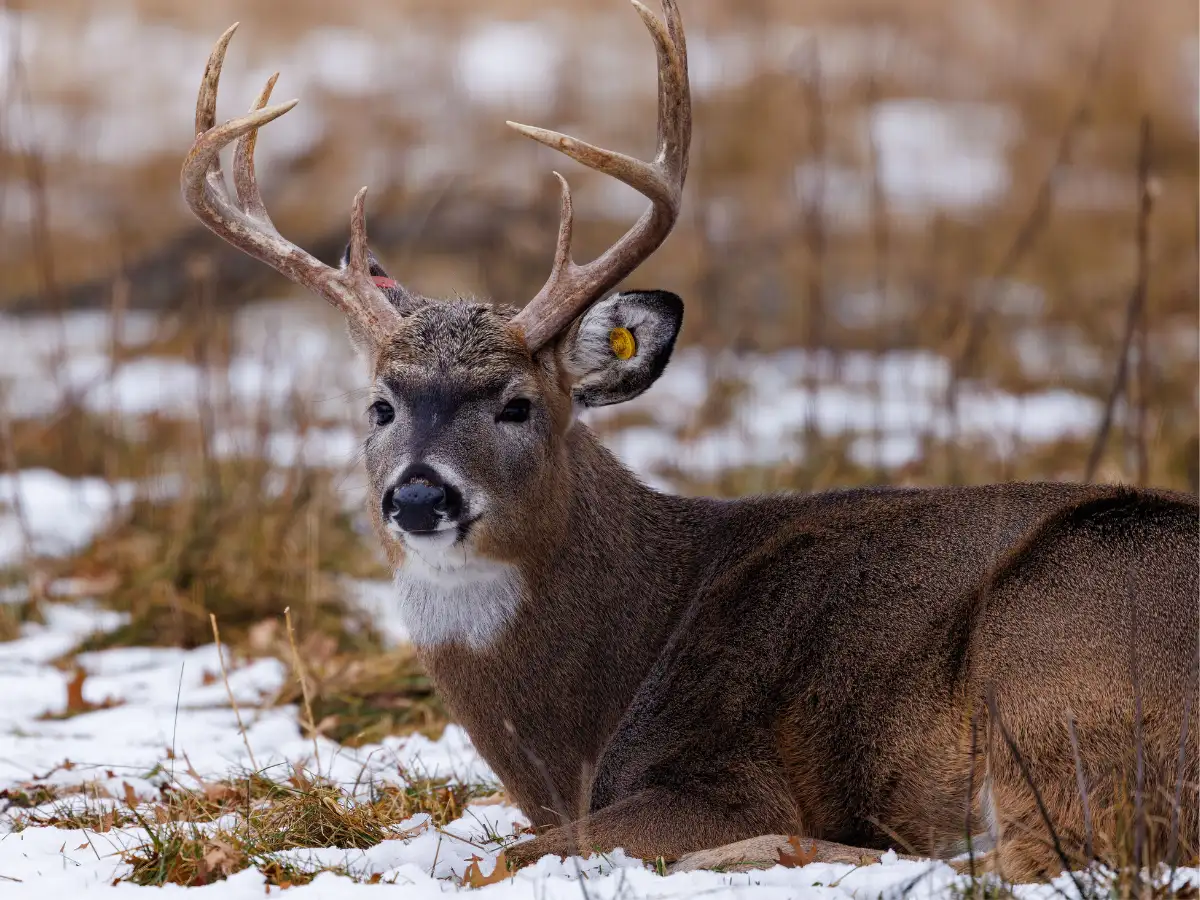
In the mid-1920s, William R. Angell brought nine white-tailed deer to North Manitou Island for hunting; by the early 1980s, the herd was estimated at 2,000

Imagine nine deer stepping off a boat onto a quiet island in Lake Michigan. That’s how it began. Almost a century later, scientists are still trying to figure out what those six deer did to the island. A 2021 study on North and South Manitou islands, published by researchers including Jean Tsao of Michigan State University in the journal Ticks and Tick-borne Diseases, used the islands as a natural experiment to understand how the presence or absence of deer affects tick populations and the pathogens they carry. Their work helps explain how one hunting idea reshaped the island's ecosystem.

A rich man's hunting dream

North Manitou Island is off the coast of Michigan, part of the present-day Sleeping Bear Dunes National Lakeshore. In the 1920s, the island was privately owned and operated by the Manitou Island Association, a group of landowners who wanted to turn the island into an exclusive playground for wealthy sportsmen. There was only one problem: there was no big game on the island. In the mid-1920s, nine white-tailed deer were brought to North Manitou under the direction of William R. Angell. The aim was simple: let the deer multiply, and charge hunters for the experience. It worked, and the herd grew far beyond expectations.

From nine deer to a hunting empire

The first organized hunt was in 1937 when 18 deer were taken that season. Edgar McKee, who operated the island from 1937 to 1942, once described hunting as being divided into two three-day sessions a week, beginning about November 1. Historical accounts of the era describe hunters paying around $150 for a package that included the boat ride, hotel and meals, a trained guide and a guaranteed deer, though the exact figure is difficult to verify against a single authoritative record. The island was divided into ten sections, which guides had scouted in advance, and only ten hunters were allowed out at a time, always with a guide.

Sign up to read this article
Read news from 100's of titles, curated specifically for you.
Already a member? Sign in here
Related Stories
Top stories on inkl right now
One subscription that gives you access to news from hundreds of sites
Already a member? Sign in here
Our Picks
Fourteen days free
Download the app
One app. One membership.
100+ trusted global sources.