Get all your news in one place.
100's of premium titles.
One app.
Start reading
The Times of India
The Times of India
World
TOI World Desk

In the early 1800s, North America planted European buckthorn as an ornamental hedge and windbreak, but scientists now say cutting it down isn't enough; native wildflowers must be planted immediately to stop it from returning

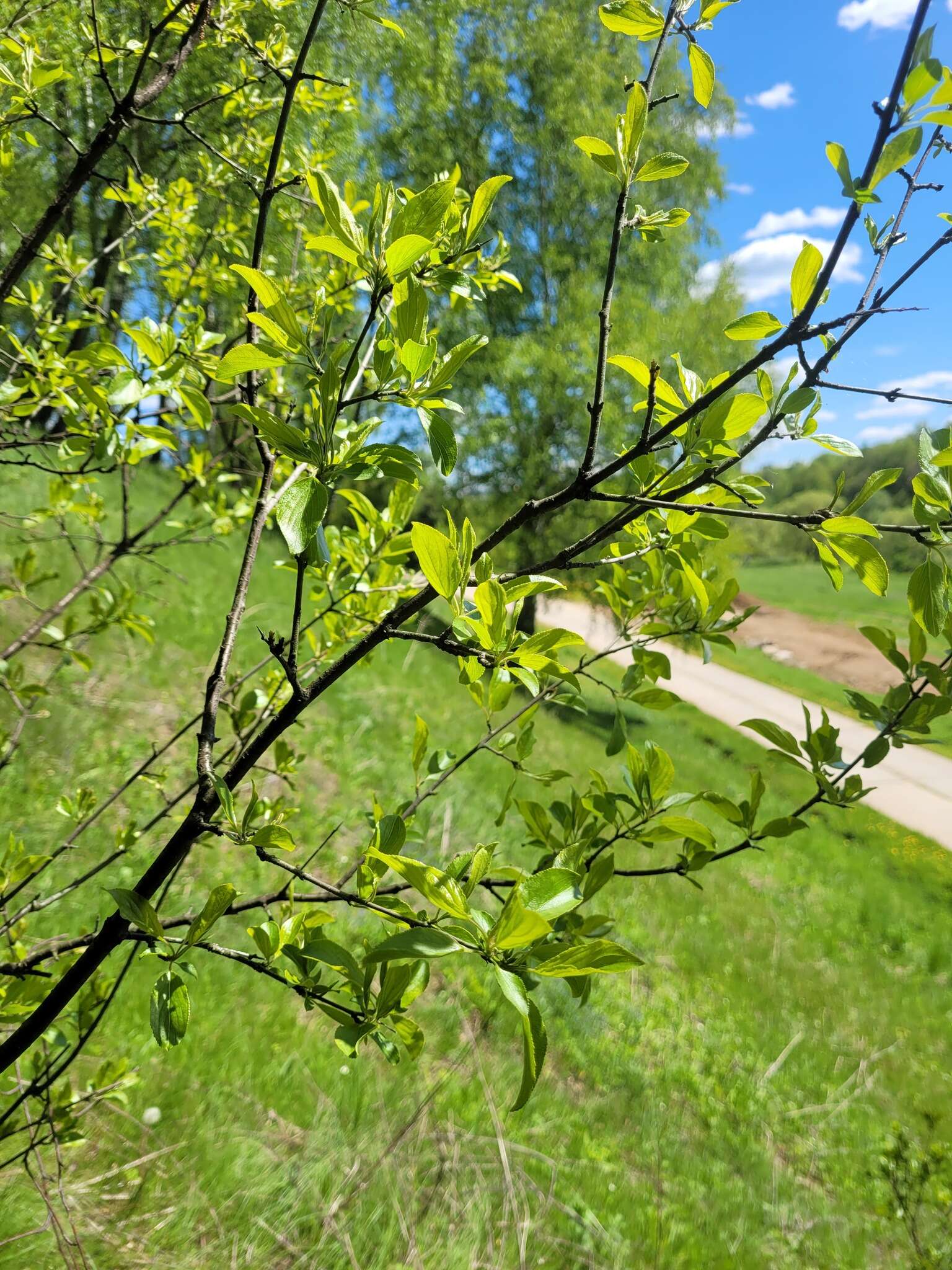
In the first few decades of the nineteenth century, farmers across North America were looking for ways to mark their farmlands and protect them from the elements. The wide-open spaces had some distinct problems, such as strong winds that stripped away topsoil and left these settlements vulnerable to the weather. As a solution, landowners and gardening groups began planting Rhamnus cathartica, also known as European buckthorn.

Get breaking news anytime, anywhere. Download the TOI app now!

However, the plant's usefulness was soon overshadowed by environmental impacts that had not been anticipated. Birds living locally eagerly ate the black berries of the shrub, unintentionally carrying the seeds beyond the boundaries of managed farms and into untouched native forests. What initially served as an ornamental landscaping plant became an invasive species in North America. The study published in the Forest Ecology and Management journal provides insight into the escape and dominance of the plant and its impacts on forest undergrowth biodiversity.

According to the authors, a field experiment in Minnesota tracked buckthorn reinvasion after removal and compared revegetation treatments started in 2017, finding that canopy openness and restoration method mattered most: species richness and floristic quality rose with more light, while seeding produced strong Elymus dominance and transplanted woody natives suppressed both buckthorn and herbaceous cover.

The shortcomings of manual and mechanical removal

The shrub's ecological dominance is shaped by its phenology. European buckthorn has a longer growing season, leafing out earlier in spring and staying green later into autumn than native deciduous species. The plant can deprive other species of light and shade the forest floor.

For decades, the standard approach to managing buckthorn infestations relied mainly on manual and mechanical removal. Land managers, property owners, and volunteer groups dedicated substantial time to cutting down woody stems, pulling out roots, or applying targeted chemical applications to fresh stumps. According to the U.S. Department of Agriculture Forest Service , although this clearing temporarily opens up the landscape, observations and ecological data show that mechanical removal alone often leads to dense reinvasion within a single growing season.

The study emphasises that clearing the mature woody canopy alone leaves ideal conditions for the invasion to thrive. Buckthorn seed bank in soil under established stands of buckthorn contains millions of dormant seeds. Once the mature woody vegetation is cleared, direct sunlight can trigger the dormant seeds in the soil to germinate at the same time. Mechanical clearance also disturbs the soil, increasing erosion and releasing nutrients. With no plant growth left, there are no active roots to hold the soil in place, creating conditions that allow faster-growing buckthorn to dominate the area.

Establishment of biological resistance by revegetation

To break this cycle of clearing and reinvasion, restoration ecologists recommend a different approach to land management. The study suggests that immediate revegetation after clearing woody vegetation can help control European buckthorn over the long term.

Planting a mix of native wildflowers and fast-growing native grasses on degraded land can help block new buckthorn growth. The native plants grow quickly and develop root systems that stabilise the topsoil and reduce the moisture and nutrients available to invading sprouts. In addition, native plant cover creates a biological and physical barrier that limits sunlight reaching the soil surface. This natural suppression can prevent buckthorn sprouts from developing into a woody thicket. A more proactive weed-management approach can help restore invaded woodland to a stable ecosystem.

Sign up to read this article
Read news from 100's of titles, curated specifically for you.
Already a member? Sign in here
Related Stories
Top stories on inkl right now
One subscription that gives you access to news from hundreds of sites
Already a member? Sign in here
Our Picks
Fourteen days free
Download the app
One app. One membership.
100+ trusted global sources.