Imagine packing for an ideal summer weekend on California’s coast. Think about all the beautiful golden beaches, the sound of rolling waves of the Pacific Ocean, and the cool breeze. But when you walk to the shore, you see a very long fence preventing access to a piece of property. This has been the usual experience of the summer season for many years now.
Get breaking news anytime, anywhere. Download the TOI app now!

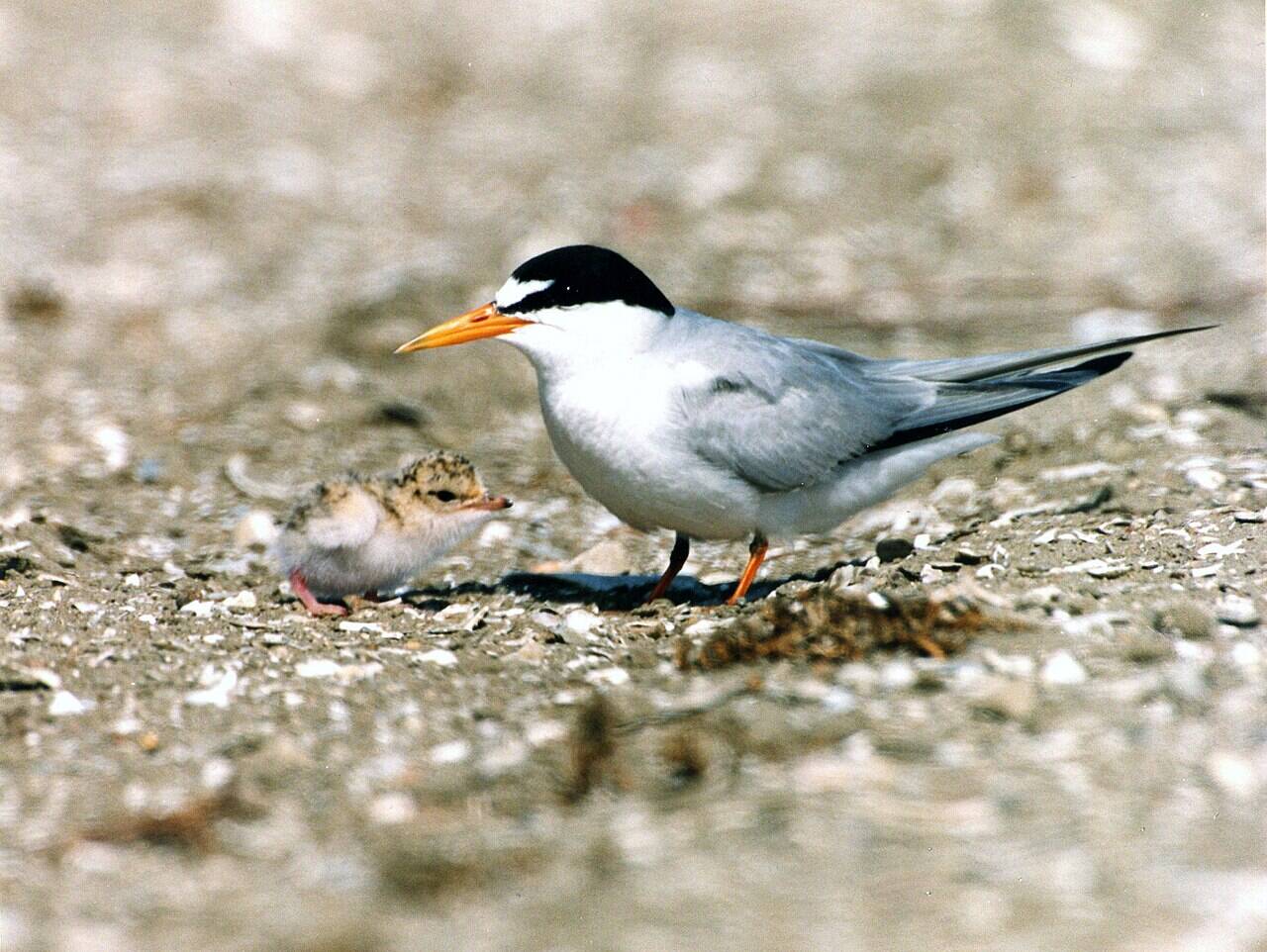
This seasonal change began in the 1970s. It was a decade when human coastal development, beach parties, and introduced predators drove a tiny seabird to the brink of extinction. The California least tern population experienced a catastrophic collapse, forcing wildlife authorities to take drastic action. To give these birds a fighting chance to lay their eggs and raise their chicks, miles of popular beaches were strictly cordoned off from the public.
To understand how these birds adapted to fences around their territory, it helps to look at the early conservation research that shaped the response. In the paper called Site Fidelity of Least Terns in California , the scientists analysed the intricate processes that were associated with the birds’ homing tendencies. The research helped describe the birds’ behaviour and explain why they choose nesting sites.
The researchers based their conclusions on banding recoveries from California, including 5,425 chicks banded between 1973 and 1984 and 104 adults colour-banded at nesting colonies. They found that most birds returned to the same colony the next year, and when they did shift, the move was usually only a short distance — evidence that long-term protection of existing nesting sites matters more than once assumed
Science behind the fascinating avian tradition of coming home
The key point of interest in this research is the concept of site fidelity. It refers to the bird’s innate tendency to go back to the same nesting grounds annually. Conservationists were under the impression that once a certain beach had been traditionally used by the birds, they would keep coming back no matter what kind of disturbance there could be at the chosen place. The researchers dispelled this notion by showing how perceptive and flexible these birds are.
Through careful tracking and colour-banding programmes, the scientists discovered that while older, experienced birds prefer to return to their familiar nesting sites, younger birds are highly adventurous. These younger birds may be more likely to explore new, safer environments if their original homes become too dangerous or unstable. If a traditional nesting ground suffers from high predator activity or severe human disturbance, the birds will quickly abandon their historical territory in favour of quieter shores.
The birds’ ability to adapt helps explain why the fence projects introduced in the 1970s were effective. By creating protected refuges on the coast, environmentalists have given the birds safe places to nest. All that is needed for this to happen is one group of birds to nest successfully in a protected area; the birds’ natural homing instinct will ensure their return the next year.
Living together with coastal wildlife to lead an environmentally friendly life
Today, the conservation effort is widely seen as a success. Where there was once just an emergency rescue effort in the 1970s, there now exists a very effective system of conservation. Now, California least tern nests have expanded along parts of the Pacific coastline.
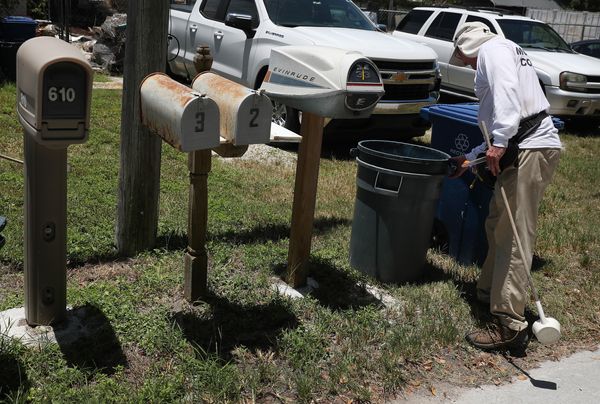
This dramatic geographical expansion means that the way we enjoy our coastal lifestyles has permanently shifted. Sharing the shoreline with rare wildlife has become part of life for some local communities. Beachgoers have adapted to the seasonal enclosures and watch the terns from a respectful distance. Volunteers regularly patrol the fence lines, educating visitors and ensuring that off-leash dogs do not disturb the nests.
The birds’ seasonal return is one example of how people and wildlife can coexist. The migration suggests that scientific study, persistence, and fencing can help reduce harm while allowing some recreation to continue. Every summer, as the birds return to these colonies on the Pacific coast, the temporary fences mark the effort to give them space to nest.