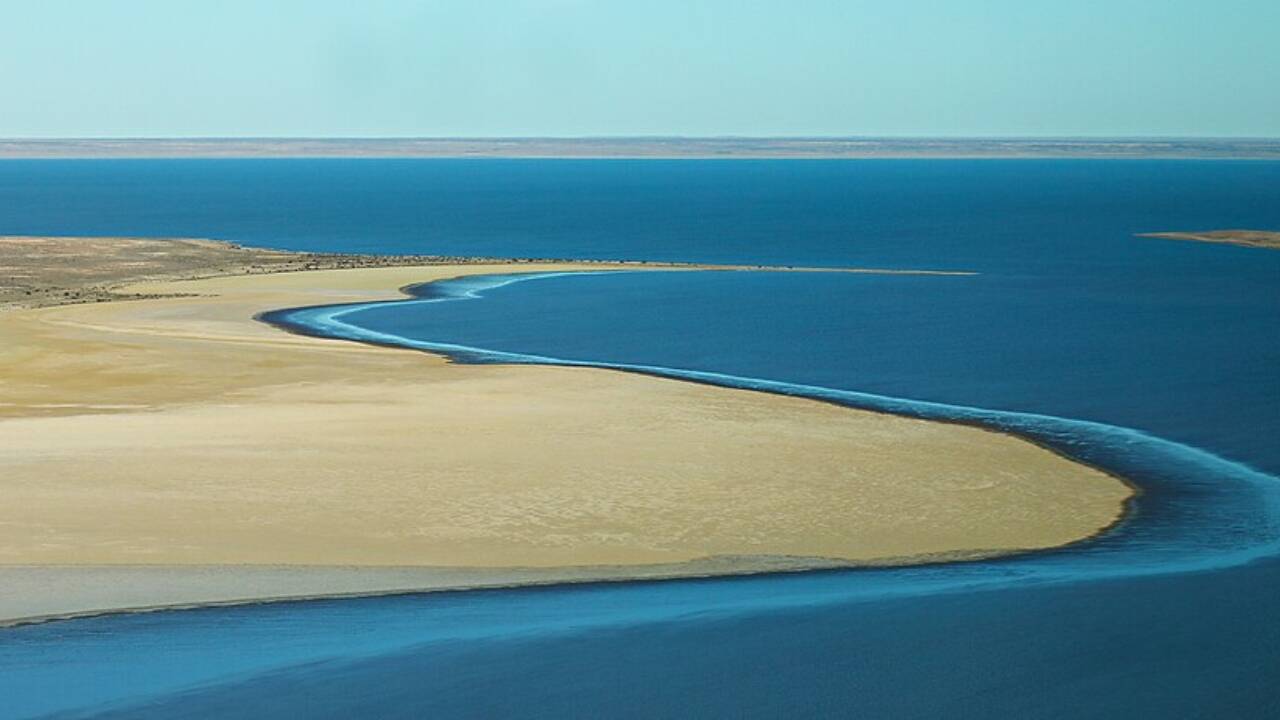
For generations, Kati Thanda-Lake Eyre has inspired some of Australia’s most ambitious dreams. At its lowest point, the vast salt lake lies about 15m below sea level, making it seem well placed to receive seawater from the nearby coast. During the 1950s, while Australia was grappling with recurring droughts and sought ways to develop its arid interior, engineers revisited a proposal: to excavate a 320km canal from Spencer Gulf near Port Augusta to Lake Eyre, flood the basin with seawater and create a permanent inland sea. Many supporters of this proposal believed the new water body might encourage rainfall, moderate the desert climate and stimulate economic growth. According to the International Journal of Environment and Sustainable Development (IJESD) and historical reviews of Australian water-transfer schemes, the proposal became one of the country’s best-known macro engineering concepts, despite never being built.
Get breaking news anytime, anywhere. Download the TOI app now!