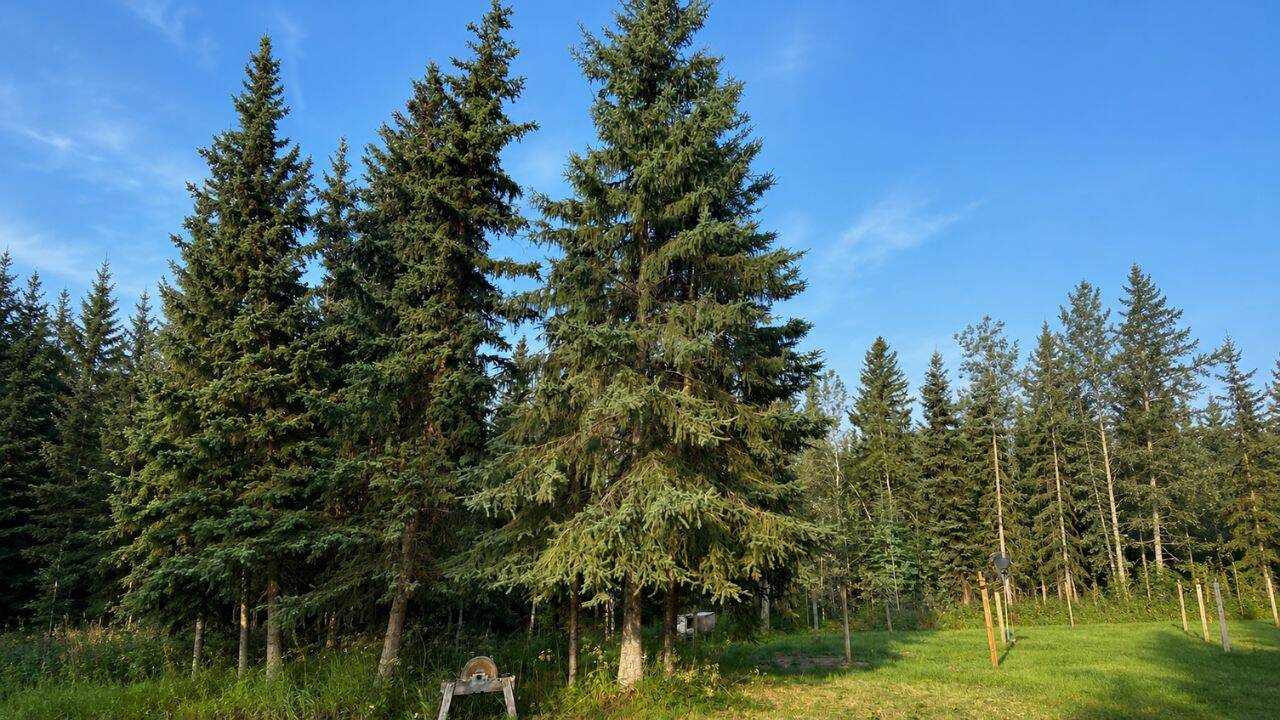
In the 1930s, white spruce plantations were established on native prairie in what is now known as the ‘Riding Mountain National Park’ in Manitoba. Decades later, the plantations were removed in an effort to restore the original northern fescue prairie. But according to a study titled ‘ Legacy effects of afforestation on prairie plant and seed bank communities in a northern Canadian prairie ,’ taking away the trees did not simply return the ecosystem to its former state. The researchers found that the effects of the plantations continued to shape both the plants above ground and the tiny organisms living in the soil long after tree removal. The findings show how a landscape may begin to look like its old self while important changes remain hidden below the surface. The study gives a long-term warning that restoring native prairie after decades of tree cover may require far more than simply cutting the trees down. These findings offer a sobering reminder that ecological restoration demands sustained, long-term commitment and monitoring, as visible recovery may mask deeper, persistent changes below the surface.
Get breaking news anytime, anywhere. Download the TOI app now!