Get all your news in one place.
100's of premium titles.
One app.
Start reading
The Economic Times
The Economic Times
Divyadeep Singh

In the 1930s, Australia's Wittenoom was known for mining a highly valued mineral, but over 2,000 deaths brought a tragic end, turning it into a ghost town

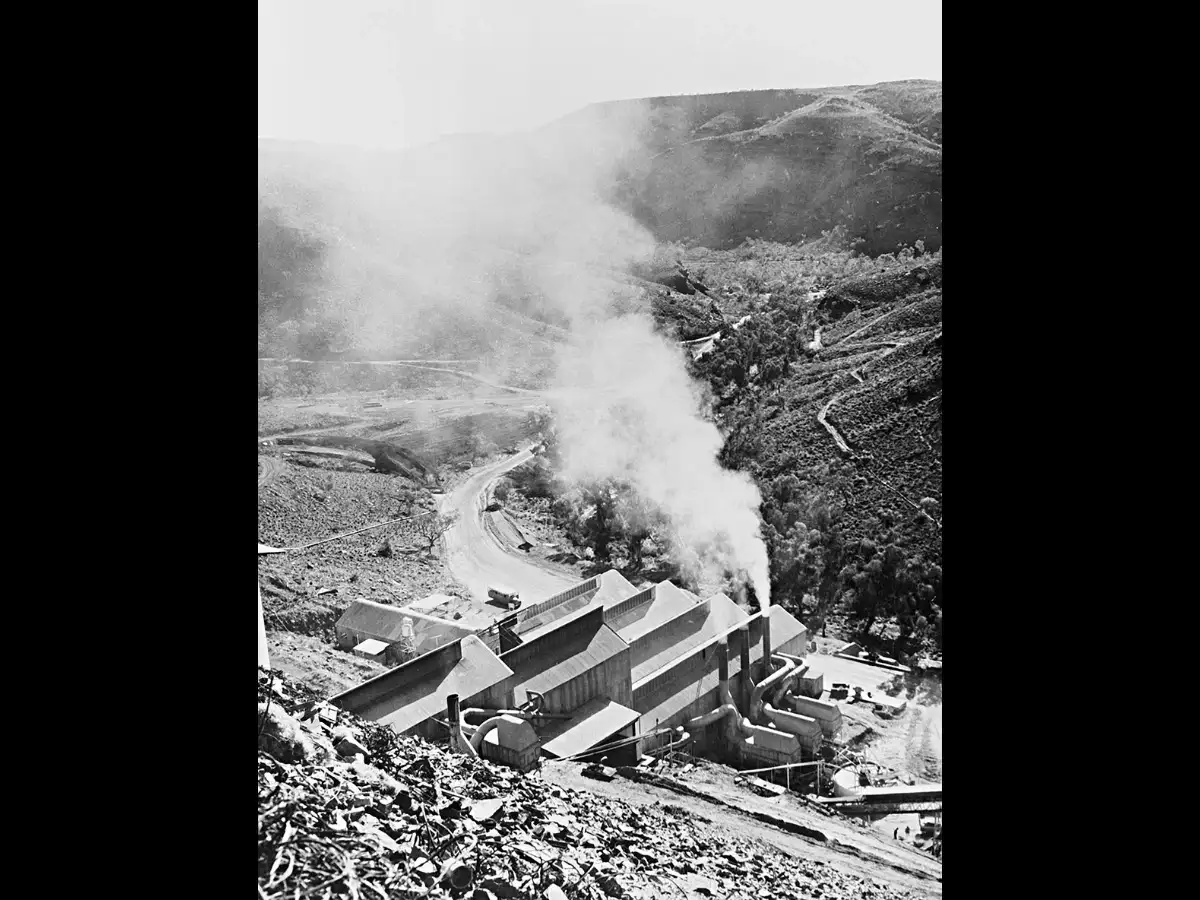
Wittenoom, in Western Australia’s Pilbara region, was once a mining town built around blue asbestos. For decades, the mineral made the remote community an important supplier, but growing evidence of its health dangers changed the course of the town’s history. The final resident left Wittenoom in 2023, marking a major turning point for a community that had continued to exist long after its asbestos mine closed. Today, the ghost town of Wittenoom stands empty and abandoned, while the legacy of its mining past remains across the surrounding area.

How Wittenoom became a blue asbestos mining town

Blue asbestos was discovered in the Wittenoom area by Lang Hancock in the 1930s. The mineral was valued for its heat resistance and durability and was widely used in construction around the world, according to The Western Australian Museum. For three decades, Wittenoom was a national supplier of blue asbestos. Western Australia was one of only three places worldwide where the mineral could be mined, making the state a national and global supplier.

During post-war Australia, houses clad in asbestos cement were common, particularly in remote areas such as Wittenoom. The mining industry helped the town develop into a community where workers and residents lived alongside the asbestos operation. The Western Australian Museum says researchers discovered the cancer-causing dangers of asbestos in the mid-1950s, around the same period when Wittenoom was still operating as a mining community. By 1966, the Wittenoom mine had closed because of profitability issues.

The health risks changed Wittenoom’s future

The closure of the mine did not end the consequences associated with asbestos exposure. From the late 1960s, scrutiny of working conditions at Wittenoom increased as evidence emerged of serious health risks linked to asbestos exposure.

According to the Western Australian Museum, more than 2,000 former mine workers and residents have since died from asbestos-related diseases. The former mining town gradually moved further away from its days as an active community. The government declared the area off-limits in 2007, according to the Western Australian Museum.

The 2023 turning point

The most significant recent change came in 2023, when Wittenoom’s final resident moved out. That departure marked the end of Wittenoom as a residential community. The Western Australian Museum now describes the site as an abandoned ghost town and the largest contaminated area in the Southern Hemisphere.

The change followed years of efforts to remove the remaining properties. In a report published before the final resident left, the Australian Broadcasting Corporation (ABC) reported that the Western Australian government had spent years offering compensation and planned to use legislation to forcibly remove the remaining properties.

The ABC also reported that clearing the former town site was intended to reduce its attraction to visitors despite warnings about asbestos fibers on the ground and in the air. About 12 kilometers from Wittenoom, three million tonnes of asbestos tailings remained.

What remains of Wittenoom

The end of residential life did not erase the physical legacy of the asbestos industry. Three million tonnes of asbestos tailings remain about 12 kilometers from the former town site, according to the ABC. The waste is part of the landscape left behind by the mining activity that once made Wittenoom an important supplier of blue asbestos.

The former town’s history therefore stretches from the expansion of blue asbestos mining to the discovery of the mineral’s cancer-causing dangers, the closure of the mine in 1966, increasing scrutiny over asbestos exposure, the government’s 2007 decision to declare the area off-limits and, finally, the departure of the last resident in 2023.

Wittenoom is now an abandoned former mining town, but its history remains closely tied to the long-term legacy of the asbestos industry in Western Australia.

Sign up to read this article
Read news from 100's of titles, curated specifically for you.
Already a member? Sign in here
Related Stories
Top stories on inkl right now
One subscription that gives you access to news from hundreds of sites
Already a member? Sign in here
Our Picks
Fourteen days free
Download the app
One app. One membership.
100+ trusted global sources.